
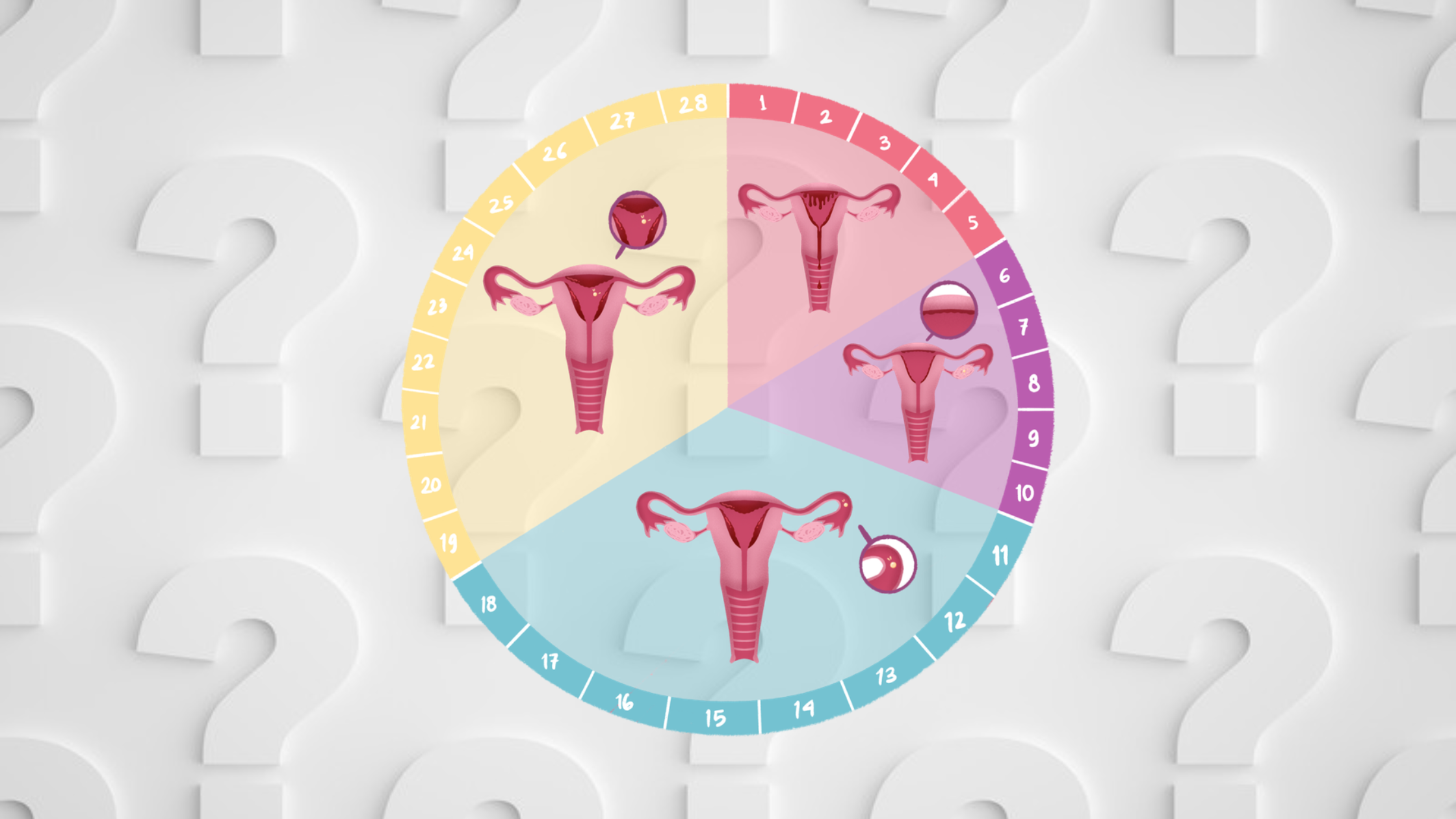
Your menstrual cycle can provide important information about your overall health. Changes in cycle length, missed periods, irregular bleeding, or changes in ovulation are often associated with factors such as stress, nutrition, exercise, medications, and hormonal conditions.
But one factor that is sometimes overlooked is sleep.
Sleep and reproductive health are closely connected. The hormones involved in regulating your menstrual cycle are influenced by the body's sleep-wake system, while hormonal fluctuations throughout the menstrual cycle can also affect how well you sleep.
This means that irregular periods and poor sleep may sometimes be part of the same underlying issue rather than completely unrelated problems.
How Are Sleep and the Menstrual Cycle Connected?
The menstrual cycle is regulated through a complex interaction between the brain, pituitary gland, ovaries, and reproductive hormones.
Sleep plays an important role in the body's endocrine system, which controls hormone production and release. Hormones such as estrogen, progesterone, luteinizing hormone (LH), and follicle-stimulating hormone (FSH) all contribute to reproductive function.
Research suggests that insufficient or disrupted sleep may interfere with some of these hormonal signals.
As discussed in How Hormones May Be the Cause of Your Poor Sleep, the relationship between hormones and sleep is bidirectional: hormones can influence sleep, while sleep can also influence hormone regulation.
Sleep Can Influence Reproductive Hormones
Your body relies on carefully timed hormonal signals to regulate ovulation and menstruation.
When sleep is consistently disrupted, hormonal regulation may also be affected.
This does not mean that one poor night's sleep will cause your period to become irregular. Rather, chronic sleep deprivation, circadian disruption, or ongoing sleep problems may contribute to hormonal changes over time.
Recent ANC Sleep content on sleep and fertility discusses how sleep can influence reproductive hormones and notes associations between disrupted sleep, delayed ovulation, and menstrual irregularities.
Can Lack of Sleep Cause Irregular Periods?
Sleep deprivation alone is not necessarily the cause of an irregular menstrual cycle, but it may be one contributing factor.
Your reproductive system responds to signals from the brain and endocrine system. Chronic sleep disruption can affect these systems through changes in stress hormones, circadian rhythms, metabolism, and reproductive hormone signaling.
Stress May Be Part of the Connection
Sleep deprivation and stress frequently occur together.
When you're consistently stressed, your body produces more cortisol and other stress-related hormones. Chronic stress can also make it more difficult to sleep, creating a cycle in which stress contributes to poor sleep and poor sleep makes stress more difficult to manage.
Over time, this may affect reproductive hormone signaling.
Learn more about this relationship in How Chronic Stress Disrupts the Hormones That Control Your Sleep.
Circadian Rhythm Matters Too
Your circadian rhythm is your body's internal 24-hour clock. It helps coordinate sleep, wakefulness, metabolism, and hormone release.
Working overnight shifts, frequently changing your sleep schedule, staying awake very late, or regularly sleeping during the day can disrupt your circadian rhythm.
Because reproductive hormones are also influenced by biological timing, significant circadian disruption may affect menstrual function in some people.
Can Your Period Affect Your Sleep?
The relationship works in the other direction, too.
Hormonal fluctuations during the menstrual cycle can change sleep quality, particularly during the days leading up to menstruation.
Changes in estrogen and progesterone can influence:
- Body temperature
- Mood
- Anxiety
- Sleepiness
- Sleep architecture
- Ability to fall asleep
- Ability to stay asleep
ANC Sleep's article on sleep and the menstrual cycle discusses how sleep disturbances can be particularly noticeable during the premenstrual and luteal phases of the cycle.
PMS and Sleep Problems
Premenstrual syndrome (PMS) can cause physical and emotional symptoms that interfere with sleep.
Common symptoms include:
- Bloating
- Breast tenderness
- Headaches
- Mood changes
- Irritability
- Anxiety
- Abdominal cramping
- Changes in body temperature
These symptoms can make it more difficult to fall asleep or remain asleep.
For some people, sleep problems become noticeably worse during the days before menstruation and improve once the period begins.
Estrogen and Progesterone Fluctuations
Estrogen and progesterone don't remain at the same level throughout the menstrual cycle.
These hormones influence several systems involved in sleep, including mood, body temperature, and brain signaling.
Learn more about how estrogen and progesterone fluctuations can change sleep.
What Menstrual Changes Might Be Associated With Sleep Problems?
Not every menstrual irregularity is related to sleep. However, changes that occur alongside significant sleep disruption may be worth discussing with a healthcare professional.
These can include:
- Periods that become less predictable
- Longer or shorter menstrual cycles
- Missed periods
- Changes in menstrual flow
- Changes in ovulation
- Increased premenstrual symptoms
Keeping track of both your menstrual cycle and sleep can help identify patterns.
Keep a Sleep and Menstrual Cycle Journal
Consider tracking the following for several months:
Menstrual cycle:
- First day of each period
- Length of your cycle
- Duration of bleeding
- Heaviness of bleeding
- Spotting
- PMS symptoms
Sleep:
- Bedtime
- Wake time
- Approximate sleep duration
- Nighttime awakenings
- Difficulty falling asleep
- Daytime sleepiness
- Sleep quality
You may notice that your sleep consistently worsens during a particular phase of your cycle.
Conversely, you may notice that periods become less predictable during periods when you're consistently sleeping poorly.
What Conditions Can Cause Both Sleep Problems and Irregular Periods?
Sleep disturbances and menstrual irregularities can sometimes occur together because of an underlying hormonal or metabolic condition.
Polycystic Ovary Syndrome (PCOS)
PCOS is one example.
People with PCOS may experience irregular menstrual cycles because of disrupted ovulation and hormonal changes. PCOS is also associated with an increased risk of sleep problems, including obstructive sleep apnea.
ANC Sleep recently explored this connection in Sleep and Hormone Imbalance in PCOS: Why Rest Matters So Much.
Sleep problems in PCOS may be influenced by several factors, including hormonal changes, metabolic dysfunction, weight, insulin resistance, and an increased risk of sleep apnea.
Perimenopause
Menstrual irregularities and sleep problems can also occur during perimenopause, the transitional period before menopause.
During this stage, estrogen and progesterone levels can fluctuate significantly. Periods may become irregular while sleep becomes more difficult.
Symptoms can include:
- Difficulty falling asleep
- Frequent nighttime awakenings
- Night sweats
- Hot flashes
- Mood changes
- Irregular menstrual cycles
Learn more about perimenopause and why sleep can become more difficult.
What About Sleep Apnea?
Sleep apnea may be another piece of the puzzle.
Obstructive sleep apnea causes repeated interruptions in breathing during sleep. These interruptions can fragment sleep and contribute to hormonal and metabolic changes.
Although sleep apnea is often associated with men, women can also develop the condition. Hormonal changes throughout the menstrual cycle, pregnancy, and menopause can influence the risk of sleep-disordered breathing.
Read more about sleep apnea in women.
Signs of Sleep Apnea in Women
Women may experience sleep apnea differently than the stereotypical presentation of loud snoring and obvious breathing pauses.
Potential symptoms include:
- Excessive daytime fatigue
- Morning headaches
- Difficulty concentrating
- Insomnia
- Mood changes
- Snoring
- Gasping during sleep
- Frequent nighttime awakenings
If these symptoms occur alongside menstrual changes, talk with a healthcare professional about whether a sleep evaluation may be appropriate.
Can Improving Sleep Make Your Period More Regular?
Improving sleep may support overall hormonal health, but it is important not to view better sleep as a guaranteed treatment for menstrual irregularities.
If poor sleep is contributing to hormonal disruption, addressing sleep may be helpful. However, irregular periods can have many causes, including pregnancy, PCOS, thyroid disorders, significant changes in weight, excessive exercise, medications, perimenopause, and other medical conditions.
Start With Better Sleep Habits
Several basic habits can support healthier sleep:
- Maintain a consistent sleep and wake schedule.
- Aim for an appropriate amount of sleep each night.
- Get natural light during the day.
- Stay physically active.
- Create a relaxing bedtime routine.
- Keep your bedroom dark, quiet, and comfortable.
- Limit caffeine later in the day.
- Reduce stimulating screen use before bed.
For more strategies, explore these sleep hygiene tips for better sleep.
When Should You See a Doctor About Irregular Periods?
An occasional change in your menstrual cycle does not necessarily indicate a serious problem.
However, persistent or significant changes deserve medical attention.
Consider talking with your healthcare provider if you experience:
- Repeatedly missed periods
- Very irregular cycles
- Extremely heavy bleeding
- Bleeding between periods
- Severe menstrual pain
- A sudden change in your usual cycle
- Difficulty becoming pregnant
- Symptoms of PCOS
- New menstrual changes during your 40s or 50s
You should also discuss persistent sleep problems, particularly if you experience significant daytime sleepiness, loud snoring, gasping during sleep, or frequent nighttime awakenings.
The Bottom Line
Sleep and menstrual health are more closely connected than many people realize.
Hormonal fluctuations throughout the menstrual cycle can affect sleep, while chronic sleep deprivation, stress, and circadian disruption may influence the hormonal systems involved in reproductive health.
This relationship is complex, and poor sleep should not automatically be blamed for an irregular period. Menstrual changes can have many different causes and may sometimes indicate an underlying medical condition.
If you notice that changes in your menstrual cycle consistently occur alongside changes in your sleep, start tracking both. Identifying patterns can give you and your healthcare provider valuable information and may help determine whether sleep, hormones, or another underlying factor is contributing to your symptoms.
Please click the orange button below to take a free online sleep test and talk with one of our sleep health professionals.
