
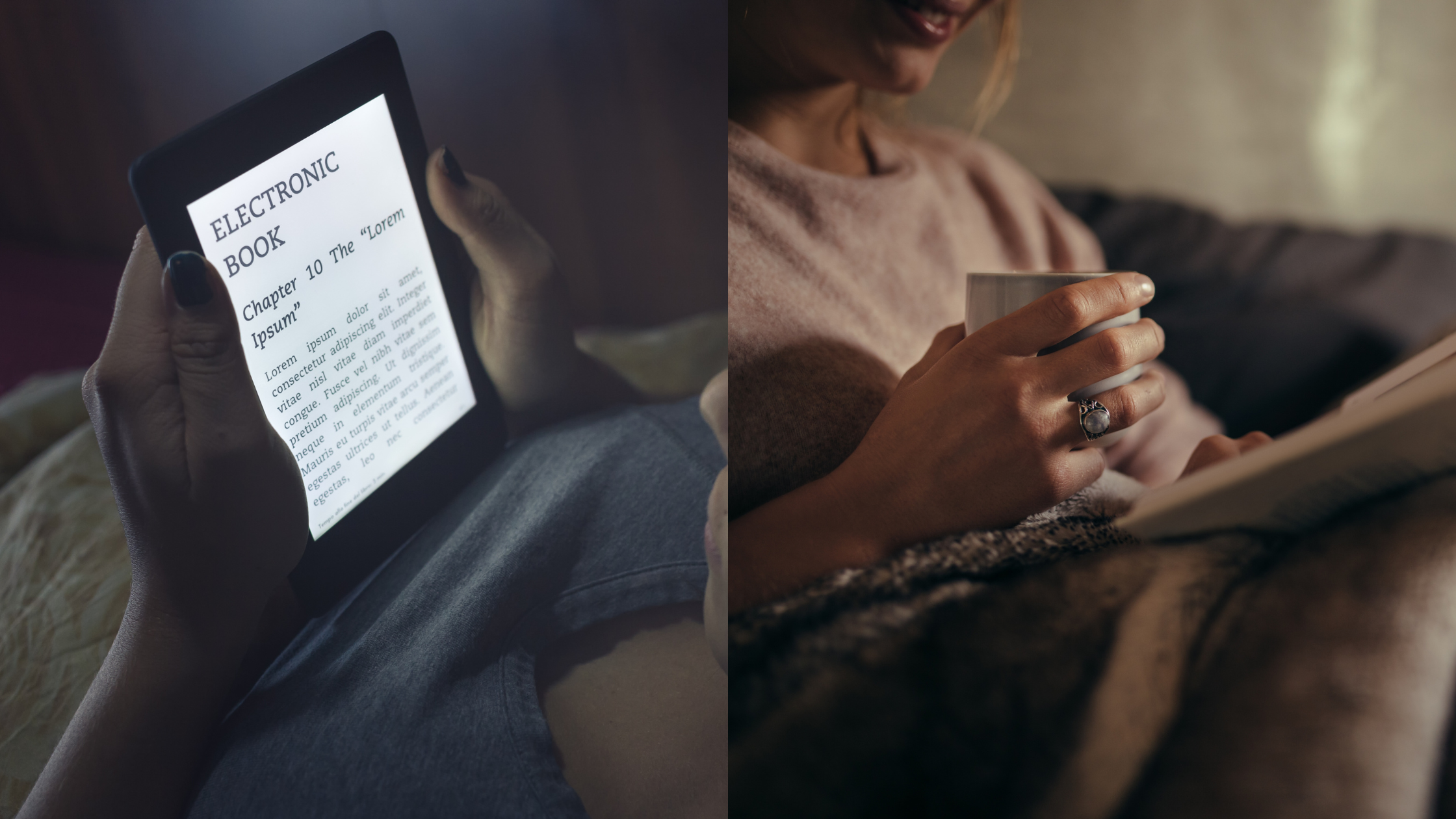
The timeless ritual of bedtime reading has long been cherished as a way to unwind and prepare for a restful night. But with the rise of e-books and digital devices, many people are left wondering: does it matter if you read on a screen or a physical book before bed? As it turns out, the choice can significantly impact your sleep. Let’s dive into the differences between e-books and physical books and how each affects your ability to rest.
E-Books vs. Physical Books: Which Is Better for Your Sleep?
Progressive Muscle Relaxation: A Simple Tool for Better Sleep
Struggling to fall asleep or stay asleep can feel like a frustrating battle against your own mind and body. Tossing and turning, racing thoughts, and physical tension are common culprits that rob us of the restorative rest we need. One highly effective technique for easing into sleep is Progressive Muscle Relaxation (PMR)—a simple yet powerful practice designed to calm your body and mind.
Whether you’re dealing with occasional stress, chronic insomnia, or just want to improve your sleep quality, PMR is a tool that anyone can use. In this blog post, we’ll explore what Progressive Muscle Relaxation is, how it works, and how you can incorporate it into your bedtime routine.
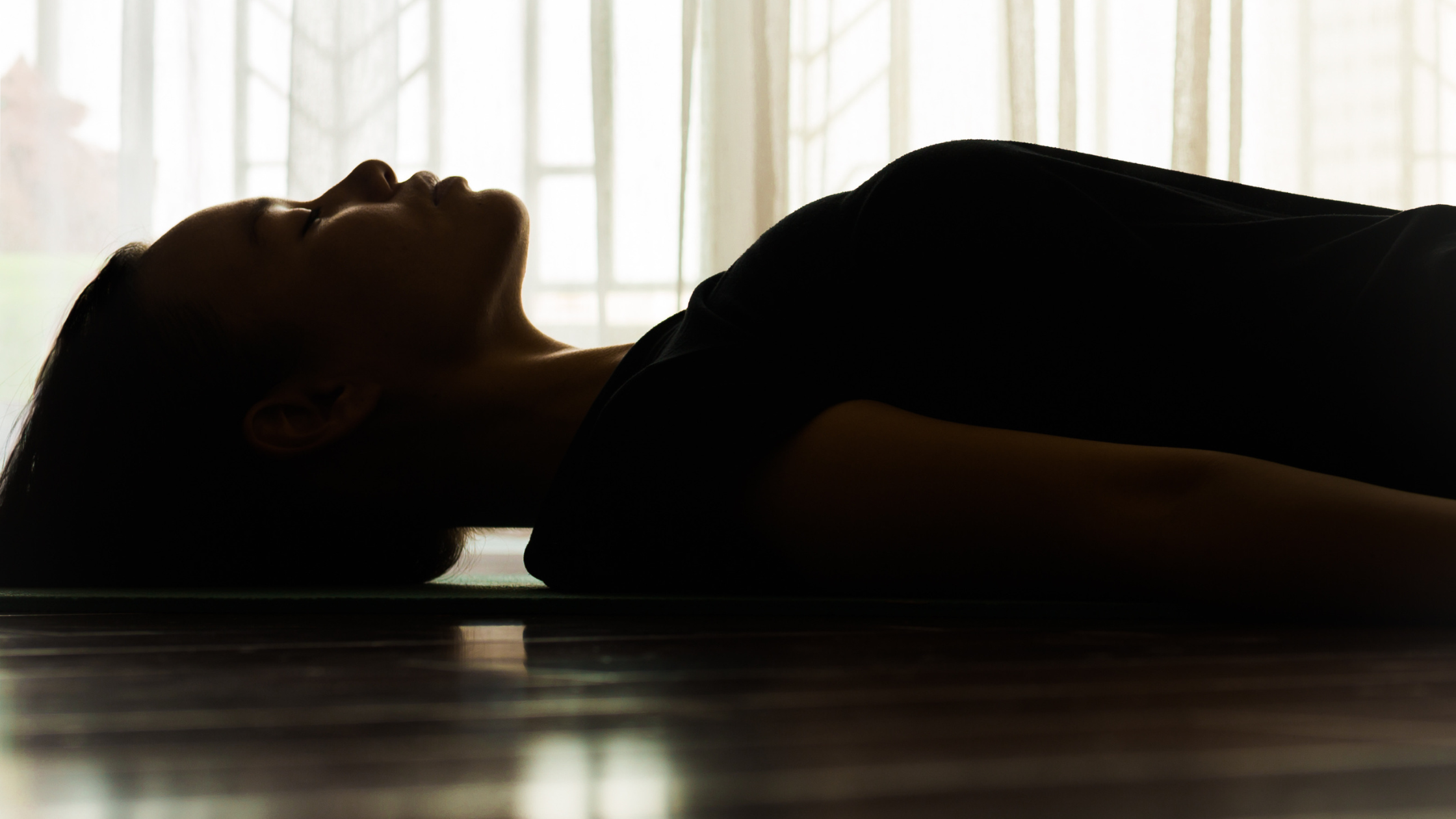
When you're trying to go to sleep, sometimes, for whatever reason, your body is just not ready to go to sleep. You may feel excited, antsy, or just not very tired. However, you know that if you don't go to sleep soon and your wake time doesn't change to make sure you can get an adequate amount of sleep, you're going to be dragging the next day.
Therefore, it's important to learn some tips and tricks for when you need to relax so you can go to bed. Here are some relaxation exercises to help you fall asleep. Most of these can be done in your bed, so you can fall asleep right where you are relaxing.