
ANCSLEEP BLOG

How Sleep Affects Muscle Growth

Posted by Darian Dozier on Sep 2, 2026, 7:59:59 AM

Many people spend hours in the gym perfecting their workouts and carefully planning their nutrition, but overlook one of the most important factors for building muscle: sleep.

You don't build muscle while lifting weights—you build muscle while recovering. Exercise creates tiny tears in muscle fibers, and your body repairs those fibers during recovery, making them stronger and, over time, larger. One of the most important times for this repair process is while you're asleep.

Whether your goal is to gain muscle, increase strength, improve athletic performance, or simply stay healthy, getting enough quality sleep is just as important as your workout routine and diet.

Read More

Untreated Sleep Apnea and Testosterone Replacement: Info for Men

Posted by Darian Dozier on Aug 31, 2026, 7:59:59 AM

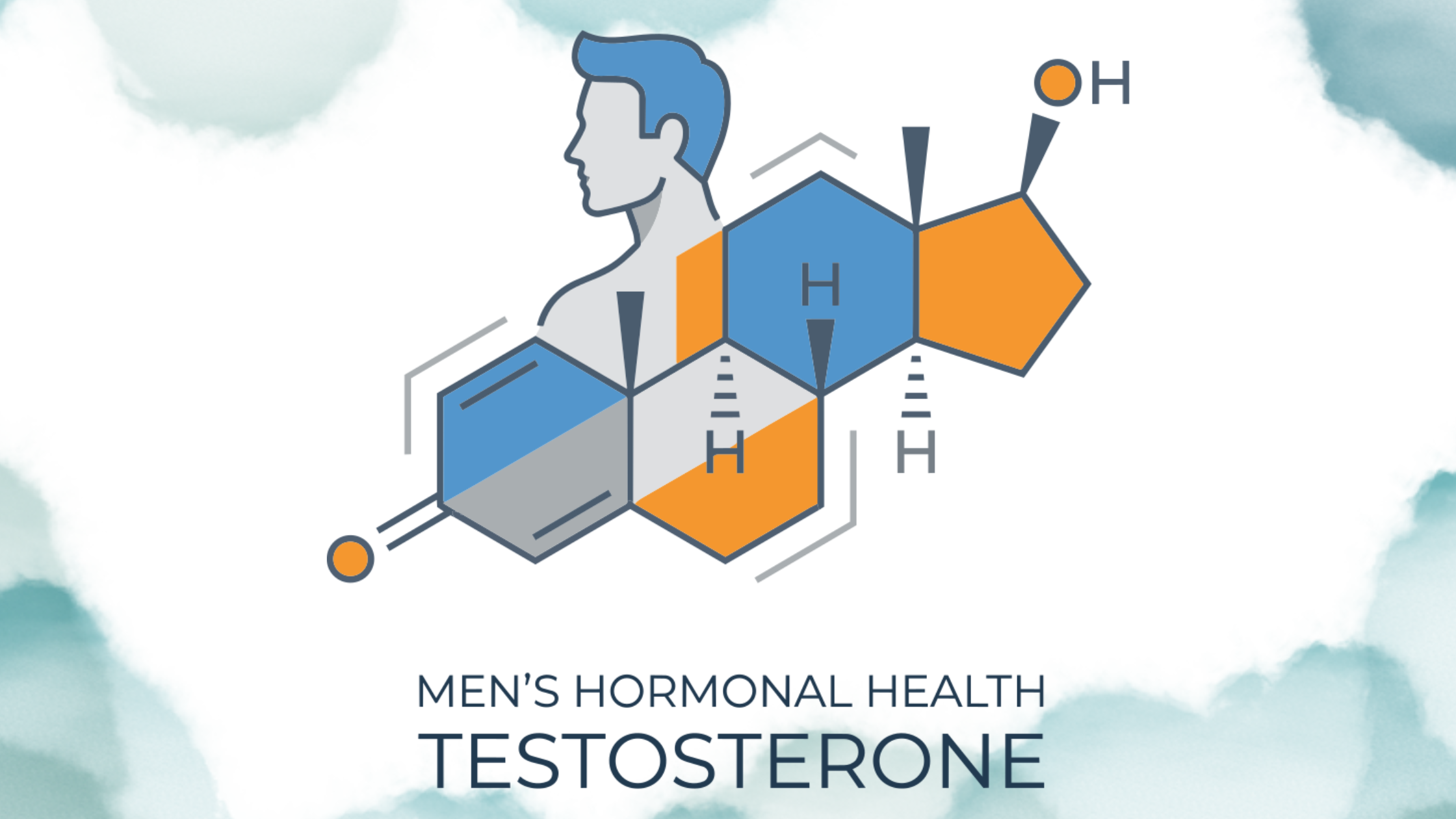
Testosterone replacement therapy (TRT) has become an increasingly common treatment for men with confirmed low testosterone levels and symptoms such as fatigue, low libido, decreased muscle mass, and reduced energy. While TRT can be beneficial for appropriately selected patients, it is not the right treatment for every man experiencing these symptoms.

One condition that is often overlooked is obstructive sleep apnea (OSA). Untreated sleep apnea can cause many of the same symptoms as low testosterone, and research suggests that testosterone therapy may worsen sleep apnea in some individuals.

If you're considering testosterone replacement therapy—or you're already taking it—understanding the relationship between testosterone and sleep apnea is essential for protecting both your hormone health and your overall well-being.

Read More

Circadian Rhythm and Testosterone Fluctuations: What You Should Know

Posted by Darian Dozier on May 18, 2026, 8:00:00 AM

Understanding the Link Between Circadian Rhythm and Hormones

Your circadian rhythm is your body’s internal 24-hour clock. It regulates sleep, energy, metabolism, and hormone release—including testosterone.

Testosterone is not a static hormone. It naturally fluctuates throughout the day, and these changes are closely tied to your sleep-wake cycle and overall circadian health.

Read More

The Sleep–Testosterone Connection: Why Rest Matters for Hormone Health

Posted by Darian Dozier on May 2, 2026, 7:59:59 AM

Testosterone is often talked about in terms of muscle, libido, and energy—but one of its most important (and overlooked) partners is sleep. The relationship goes both ways: poor sleep can lower testosterone levels, and low testosterone can disrupt sleep quality.

Understanding this connection can help you address fatigue, mood changes, and overall health more effectively.

Read More

Subscribe to Email Updates

Recent Posts

Posts by Topic

see all