
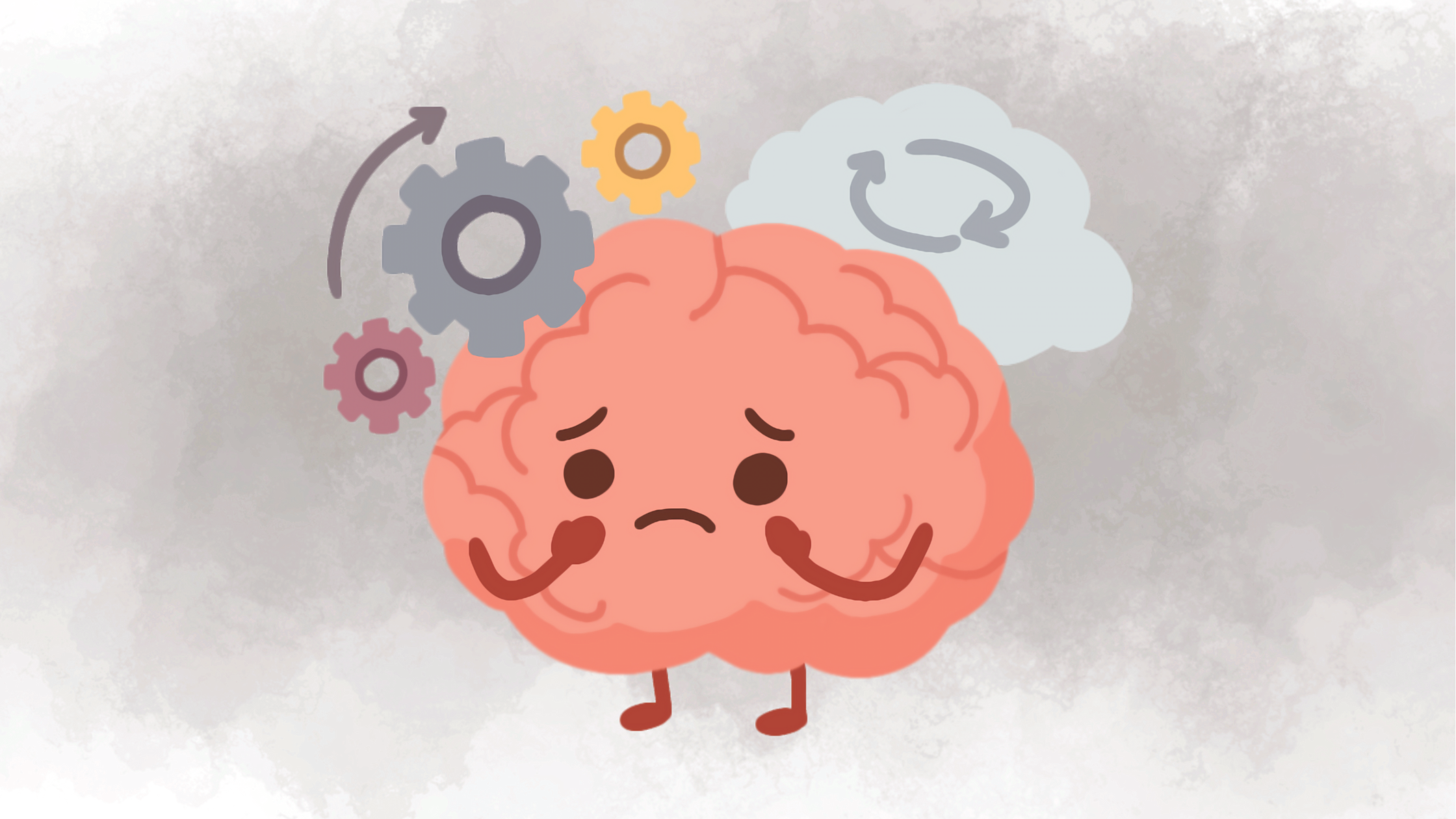
Compulsivity—repetitive behaviors that feel difficult or impossible to stop—plays a central role in conditions such as obsessive-compulsive disorder (OCD), addiction, binge eating, and problematic technology use. While compulsive behaviors are often viewed through a psychological or behavioral lens, sleep is a powerful and frequently overlooked biological driver of compulsivity.
Sleep loss does not just make people tired—it alters the brain systems responsible for impulse control, reward processing, and habit formation, increasing vulnerability to compulsive behaviors.