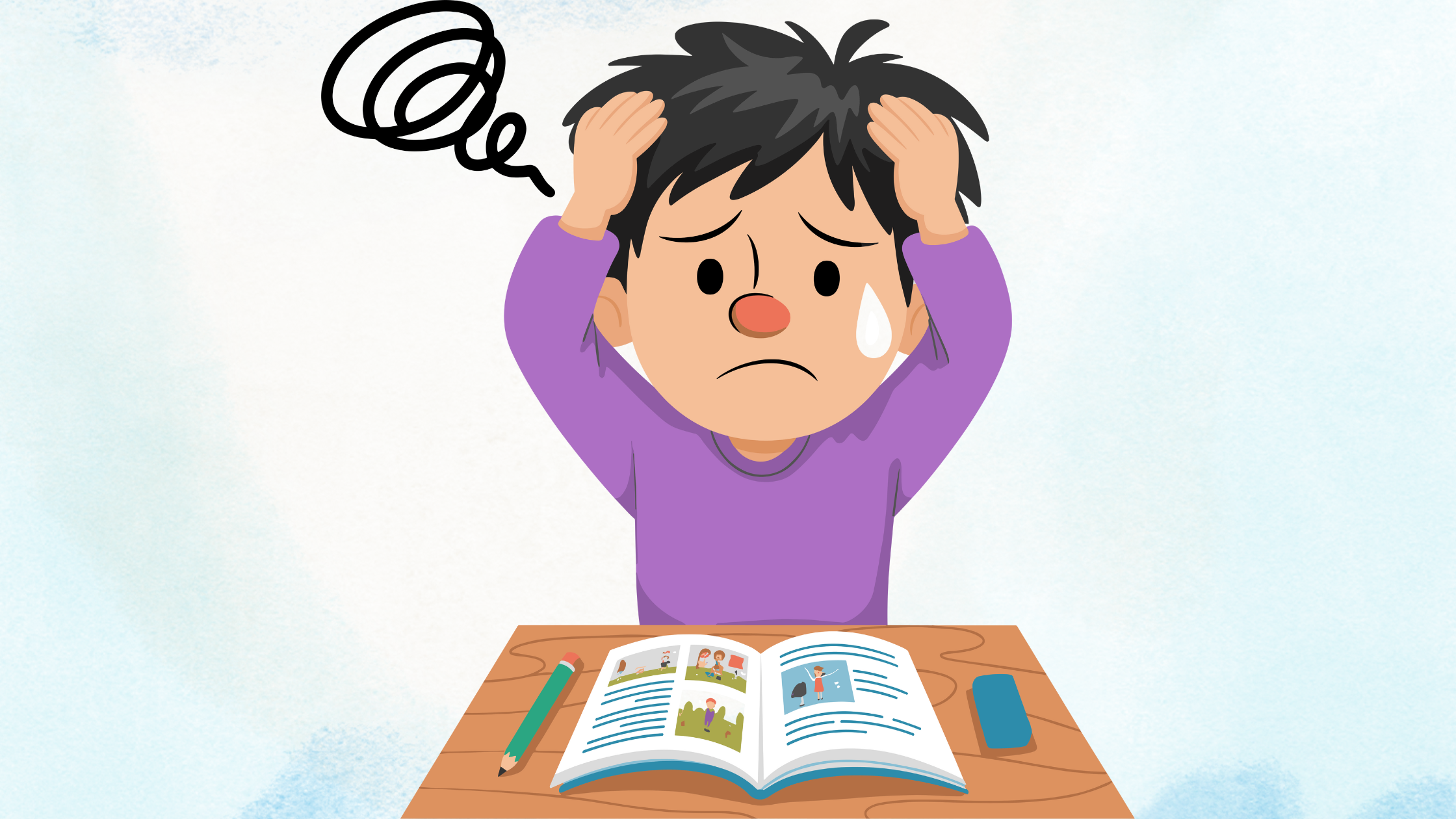

Using a “Worry Window” to Help Children Sleep Better at Night
Helping Children Adjust to Daylight Saving Time: A Parent’s Guide
Twice a year, families feel it: the groggy mornings, wired bedtimes, and cranky afternoons that come with Daylight Saving Time. For adults, it’s an inconvenience. For children—especially younger ones—it can completely throw off sleep, mood, and behavior.
The good news? With a little planning, you can make the transition much smoother.
Sleep is vital for children’s growth, learning, and emotional well-being. But sometimes, kids struggle to get the rest they need—not because of poor bedtime routines, but because of what’s happening inside their bodies. One key player is cortisol, the body’s main stress hormone.
Sleep isn’t just about rest—it’s one of the most important foundations for a child’s growth, learning, and emotional health. While adults often push through fatigue, children’s developing brains and bodies depend heavily on consistent, high-quality sleep. Let’s take a closer look at why sleep is so essential for kids and how it impacts nearly every aspect of their lives.
Sleep is essential for children’s growth, learning, and emotional regulation. Yet for many families, bedtime struggles are common—and sometimes the culprit isn’t sugar or overstimulation from play, but exposure to violent content. From TV shows and movies to video games and even online clips, children are often consuming media that may be far more intense than their developing brains can handle. The effects don’t end when the screen turns off.
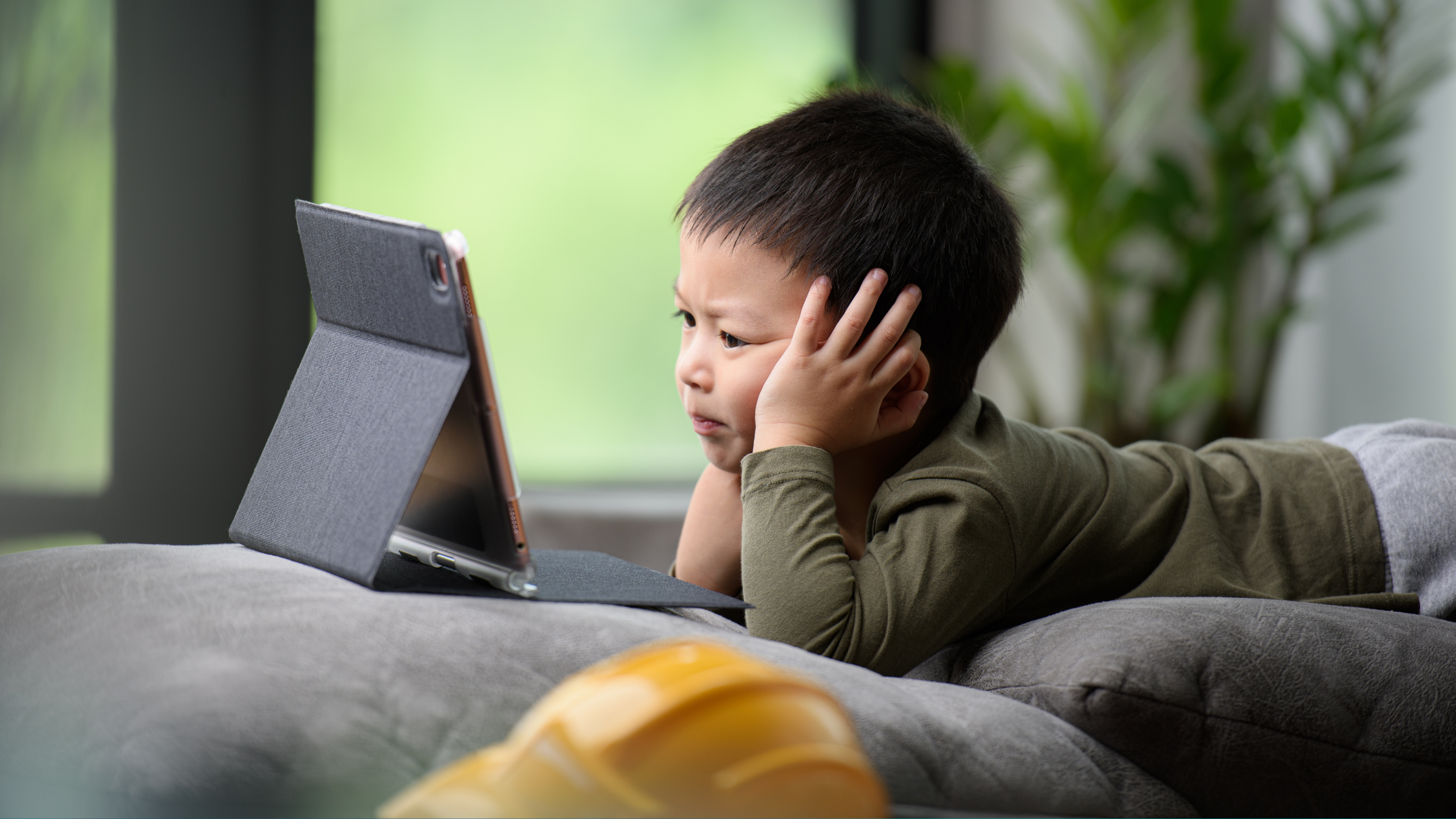
In today’s digital world, screens are everywhere—phones, tablets, computers, TVs, and even classroom technology. While these tools can be educational and entertaining, parents often wonder how screen time affects children’s sleep. Research shows that too much screen exposure, especially close to bedtime, can interfere with the quality and quantity of children’s rest.
Sleep is a cornerstone of health and development, especially for school-aged children. Yet, with early school start times, extracurricular activities, and increasing screen time, many children and teenagers aren’t getting the sleep they need. The consequences go beyond tiredness—lack of sleep significantly affects behavior, emotional regulation, and academic performance in school. Let’s explore how sleep influences school behavior and what parents and educators can do to help.
The days can get so busy that sometimes you feel like you've gone all day without really talking to your kids or connecting as a family. As kids get older and start participating in extracurricular activities, it can be even harder to find time to connect with them. However, finding time to talk to your kids throughout the day is important. If your kids had a stressful day, or they are anxious about the next day, then bedtime can be a great place to talk about those feelings so they can get a good night of sleep.
It may also provide you with some solace to know that you were able to spend quality time with your children, and everyone can go to bed on a positive and connected note. Here are some ways to connect with your kids before bed.