
Working overnight can make healthy eating more challenging. Your work schedule may change when you feel hungry, when you have access to meals, and how easy it is to prepare food in advance. Add fatigue, stress, and limited food options, and it becomes easy to rely on vending machines, fast food, sugary snacks, or large meals at inconvenient times.
But managing your diet while working overnight does not have to mean following a perfect meal plan. A few practical habits can help you make choices that support your energy levels, sleep, and overall health.
Why Is Eating Healthy Harder on the Night Shift?
The body has a natural internal clock, known as the circadian rhythm. This internal clock helps regulate sleep, hormone activity, digestion, metabolism, and other biological processes.
When you work overnight, you are often awake and eating during hours when your body would normally be preparing for sleep. At the same time, you may be trying to sleep during the day when other people are active and food is more readily available.
Shift Work Can Change Hunger and Eating Patterns
Working overnight may contribute to:
- Eating at irregular times
- Skipping meals
- Increased cravings for highly processed foods
- Relying on caffeine for energy
- Eating large meals late in a shift
- Snacking to stay awake
Fatigue can also make planning and preparing healthy meals feel more difficult.
Should You Eat Before Working an Overnight Shift?
For many people, eating a balanced meal before beginning an overnight shift can help provide steady energy.
Aim for a Balanced Pre-Shift Meal
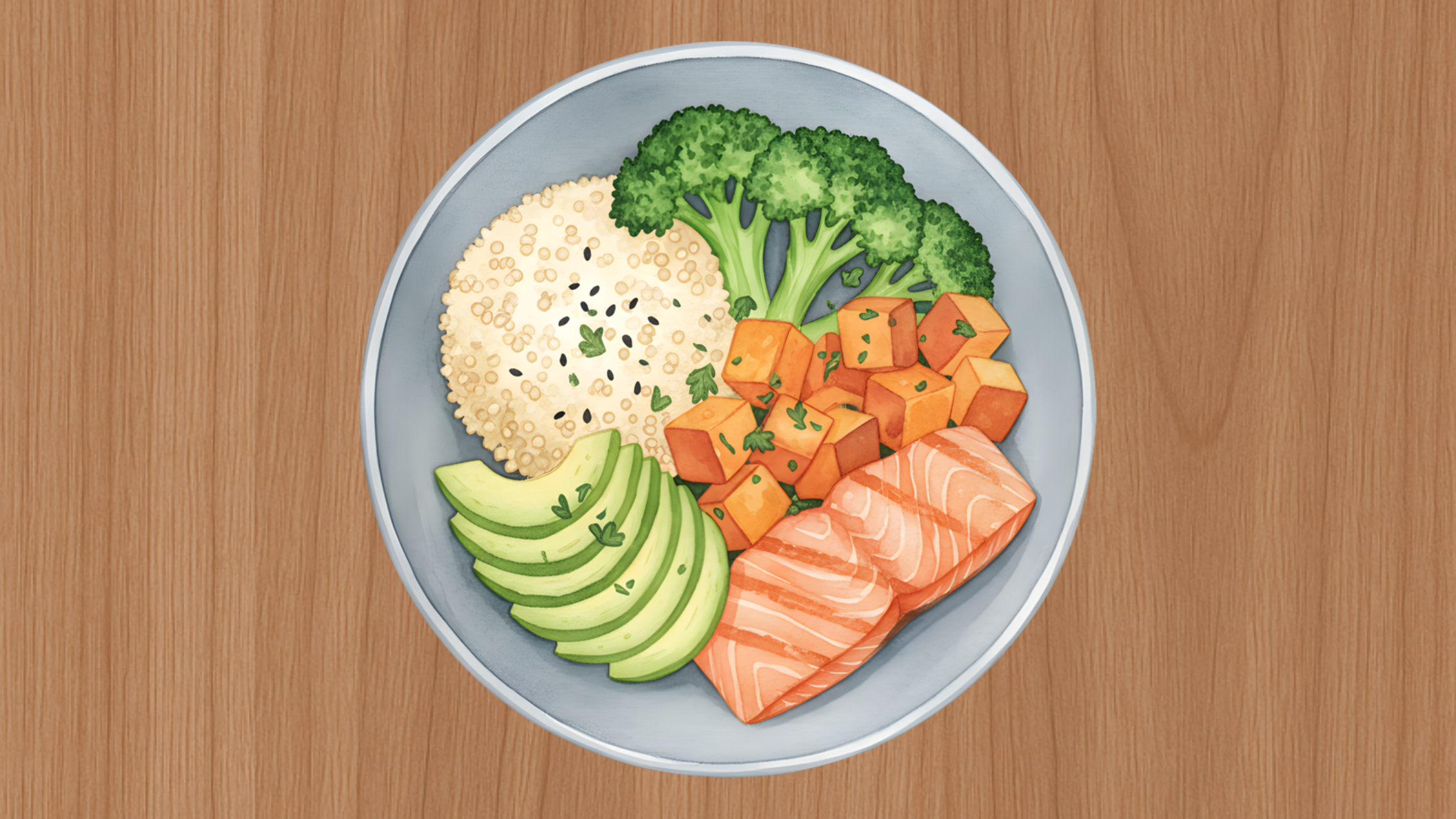
A satisfying meal may include a combination of:
- Protein
- High-fiber carbohydrates
- Healthy fats
- Fruits or vegetables
For example, you might choose:
- Chicken, brown rice, and roasted vegetables
- Salmon with potatoes and a salad
- A grain bowl with beans, vegetables, and avocado
- A turkey sandwich on whole-grain bread with fruit
Avoid Starting Your Shift Extremely Hungry
Going into a long overnight shift without eating may increase the likelihood of intense hunger and impulsive food choices later in the night.
What Should You Eat During an Overnight Shift?
There is no single perfect schedule for night-shift eating. Your ideal meal timing may depend on your work schedule, activity level, health needs, and when you plan to sleep.
However, many overnight workers find that smaller, balanced meals and snacks are easier to manage than one very large meal in the middle of the night.
Choose Foods That Provide Sustained Energy
Consider keeping convenient foods available, such as:
- Greek yogurt
- Eggs
- Nuts or seeds
- Fresh fruit
- Vegetables and hummus
- Whole-grain crackers
- String cheese
- Oatmeal
- Lean protein
- Bean-based snacks
Pair Carbohydrates With Protein
A snack containing carbohydrates and protein may provide more sustained energy than sugary foods alone.
Examples include:
- An apple with peanut butter
- Greek yogurt with fruit
- Whole-grain crackers with cheese
- A banana with a handful of nuts
Try Not to Rely on Sugar for Energy
Sugary drinks and snacks can provide a quick energy boost, but that energy may not last.
Watch Out for the Energy Crash
Foods and beverages high in added sugar may lead to a temporary increase in energy followed by increased hunger or fatigue.
Instead of completely avoiding treats, try to make balanced choices most of the time.
For example, you can pair a sweet snack with protein or fiber to help make it more filling.
How Much Caffeine Should You Have During an Overnight Shift?
Caffeine can help many night-shift workers stay alert, but timing matters.
Consider Your Planned Sleep Time
Caffeine can remain in your system for hours. Having coffee or an energy drink near the end of your shift may make it harder to fall asleep when you get home.
A practical approach is to use caffeine earlier in the shift and reduce or avoid it as your planned bedtime gets closer.
Be Mindful of Caffeine Sources
Caffeine can come from:
- Coffee
- Energy drinks
- Tea
- Soda
- Pre-workout supplements
- Some medications
Pay attention to your total caffeine intake, not just the number of cups of coffee you drink.
What Should You Eat Before Sleeping After a Night Shift?
After finishing an overnight shift, you may be hungry—or you may be too tired to eat.
Avoid Going to Bed Extremely Hungry
If hunger is keeping you awake, a light meal or snack may be helpful.
Consider options such as:
- Oatmeal with fruit
- Greek yogurt
- Eggs and whole-grain toast
- A small sandwich
- A smoothie with protein
Keep the Meal Comfortable and Light
A very large or heavy meal immediately before lying down may cause discomfort for some people and make sleep more difficult.
The goal is not to avoid eating before bed completely. Instead, choose something that satisfies your hunger without leaving you overly full.
Stay Hydrated During Your Shift
It can be easy to forget about hydration when you are busy working overnight.
Keep Water Easily Available
Consider bringing a reusable water bottle to work and drinking regularly throughout your shift.
If plain water feels boring, you might try:
- Sparkling water
- Water with fruit
- Herbal tea
- Other low-sugar beverages
Avoid Drinking Excessive Fluids Right Before Bed
Staying hydrated is important, but drinking large amounts immediately before sleep may lead to frequent bathroom trips and interrupted rest.
Meal Prep Can Make Night Shift Eating Easier
The best healthy meal is often the one that is already available when you need it.
Prepare Food Before Your Shift Begins
Consider preparing meals and snacks on your days off or before you leave for work.
You do not need to cook an entirely different meal for every shift. A few basic ingredients can create multiple meals.
Simple Night-Shift Meal Prep Ideas
Try preparing:
- Grilled chicken or another lean protein
- Roasted vegetables
- Brown rice or another whole grain
- Hard-boiled eggs
- Pre-cut fruit
- Yogurt and individually portioned snacks
Create a Consistent Eating Routine
Your schedule may not always be the same, but creating a general routine can make overnight work feel more manageable.
An Example Overnight Eating Schedule
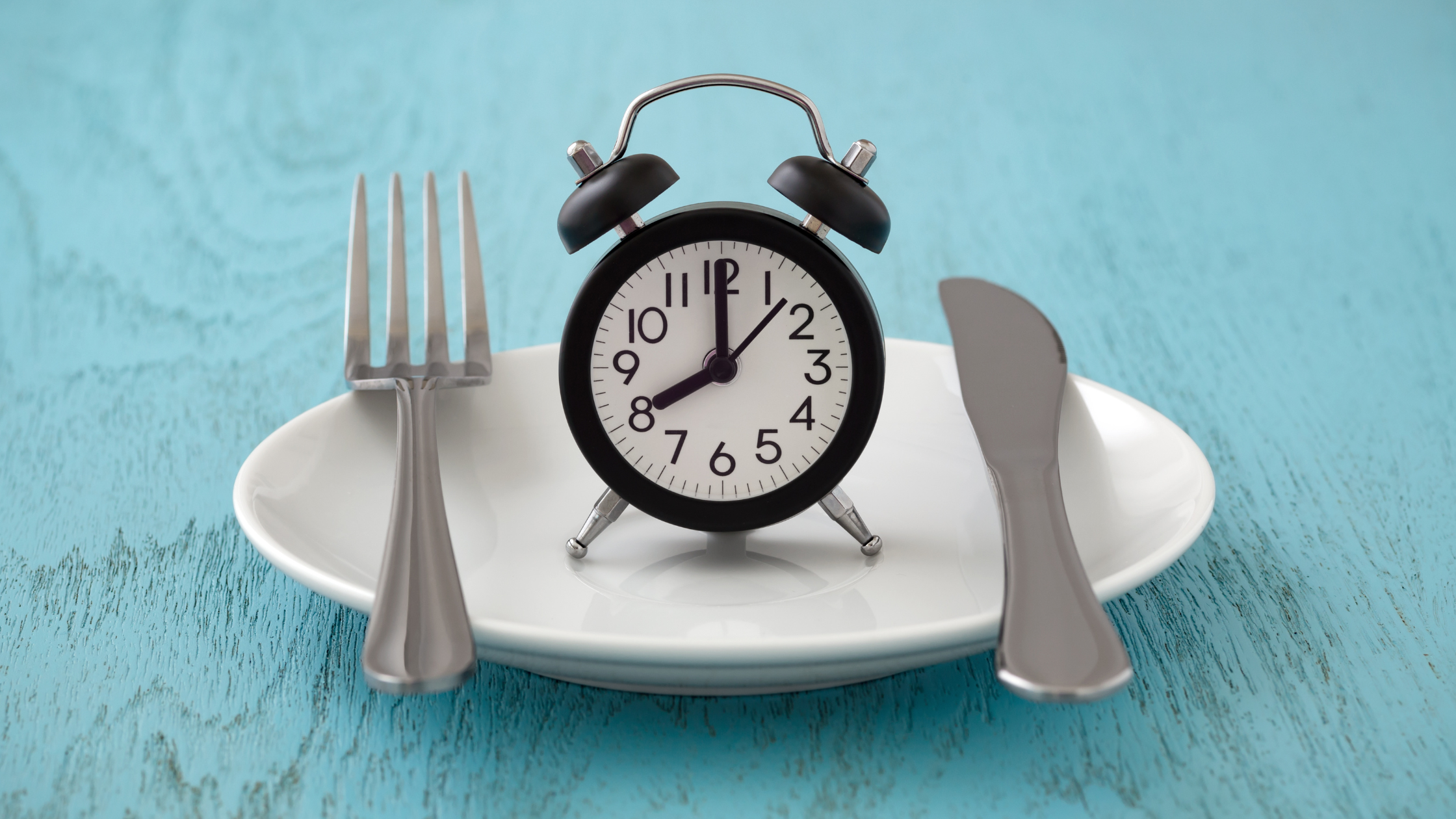
For a shift that runs from 7 p.m. to 7 a.m., you might consider:
Before Work: 5:30–6:30 p.m.
Eat a balanced meal with protein, carbohydrates, and vegetables.
Mid-Shift: 10 p.m.–12 a.m.
Have a balanced meal or substantial snack.
Later in the Shift: 2–4 a.m.
Choose a lighter snack if you are hungry.
Before Bed: After Your Shift
If needed, have a light meal or snack before going to sleep.
This is only an example. The best schedule is one that works with your hunger, work demands, and sleep schedule.
How to Avoid Eating Out of Fatigue
Sometimes hunger during an overnight shift is genuine. Other times, the urge to snack may be related to boredom, stress, or fatigue.
Pause Before Automatically Reaching for Food
Ask yourself:
- Am I physically hungry?
- Am I tired?
- Am I stressed?
- Am I bored?
- Do I need a break?
If you are genuinely hungry, eat something nourishing. If you are simply tired, food may not provide the energy your body actually needs.
Remember That Food Cannot Replace Sleep
Caffeine, sugar, and snacks may temporarily increase alertness, but they cannot fully compensate for inadequate sleep.
If you are consistently struggling to stay awake, a sleep problem or chronic sleep deprivation may need to be addressed.
Support Your Diet by Prioritizing Sleep
Healthy eating and healthy sleep often support each other.
When you are well rested, it may be easier to plan meals and make intentional food choices. Likewise, eating regular, balanced meals and avoiding excessive caffeine before bed may help support better sleep.
Create a Sleep-Friendly Routine After Your Shift
After work, try to give yourself time to transition toward sleep.
Consider:
- Limiting caffeine near the end of your shift
- Eating a light meal if you are hungry
- Keeping your bedroom dark and quiet
- Following a consistent wind-down routine
- Avoiding stimulating activities before bed
When Should Overnight Workers Seek Help for Sleep Problems?
Working overnight can make sleeping during the day difficult. However, persistent sleep problems should not always be considered an unavoidable part of shift work.
Consider talking to a healthcare professional if you experience:
- Excessive daytime or on-the-job sleepiness
- Difficulty sleeping despite having adequate time for sleep
- Frequent insomnia
- Loud snoring or breathing pauses
- Morning headaches
- Difficulty staying awake while driving
- Sleep problems that significantly affect your health or quality of life
A sleep specialist may be able to evaluate whether an underlying sleep disorder is contributing to your symptoms.
The Bottom Line
Working overnight can make healthy eating more complicated, but small, consistent habits can make a meaningful difference. Try to plan meals before your shift, choose balanced snacks, use caffeine strategically, stay hydrated, and avoid relying on sugar to replace sleep.
Most importantly, remember that nutrition is only one part of managing overnight work. Getting enough high-quality sleep is essential for your energy, health, and overall well-being.
If you continue to struggle with poor sleep, excessive fatigue, or difficulty staying alert while working overnight, contact Anchorage Sleep Center to learn more about sleep evaluations and treatment options.
Please click the orange button below to take a free online sleep test and talk with one of our sleep health professionals.