
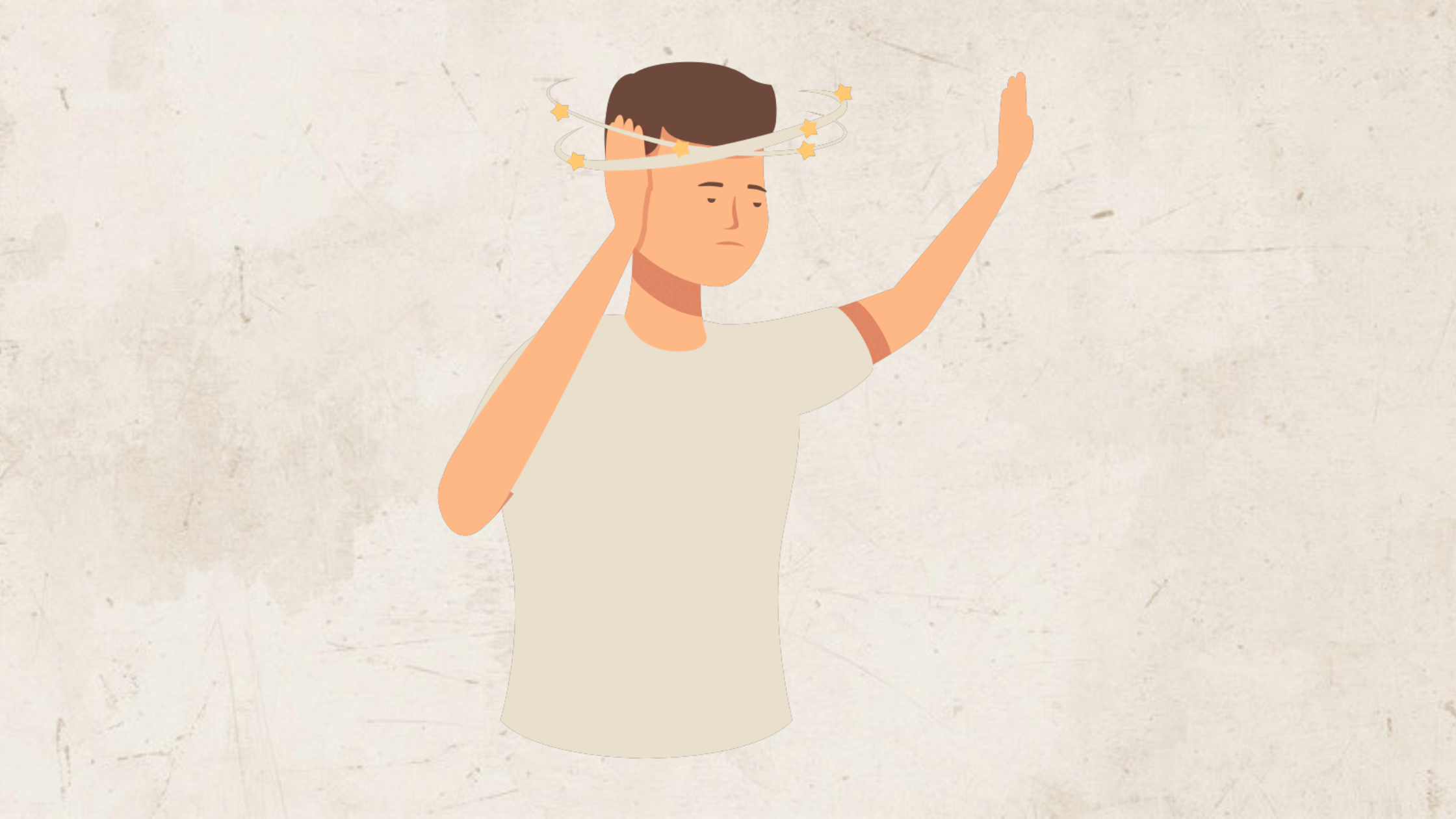
A concussion is a mild traumatic brain injury (TBI) that can temporarily affect how the brain functions. While headaches, dizziness, and difficulty concentrating are well-known symptoms, many people are surprised to learn that sleep problems are also extremely common after a concussion.
Some people find themselves sleeping much more than usual, while others struggle with insomnia, frequent awakenings, or feeling exhausted despite spending enough time in bed. These changes can be frustrating, especially because quality sleep plays a vital role in the brain's healing process.
Understanding how a concussion affects sleep can help you know what to expect during recovery and when it's time to seek medical advice.