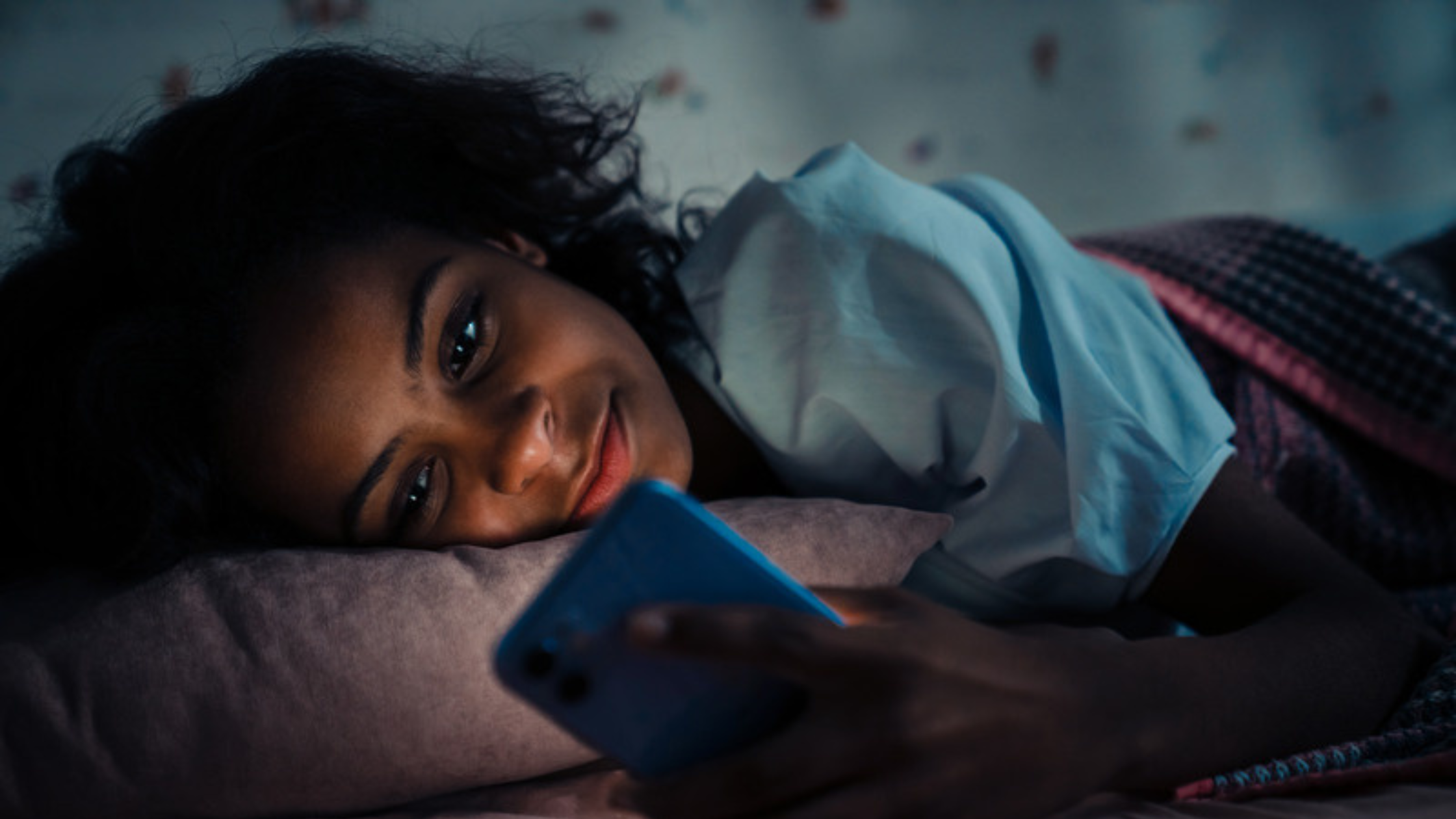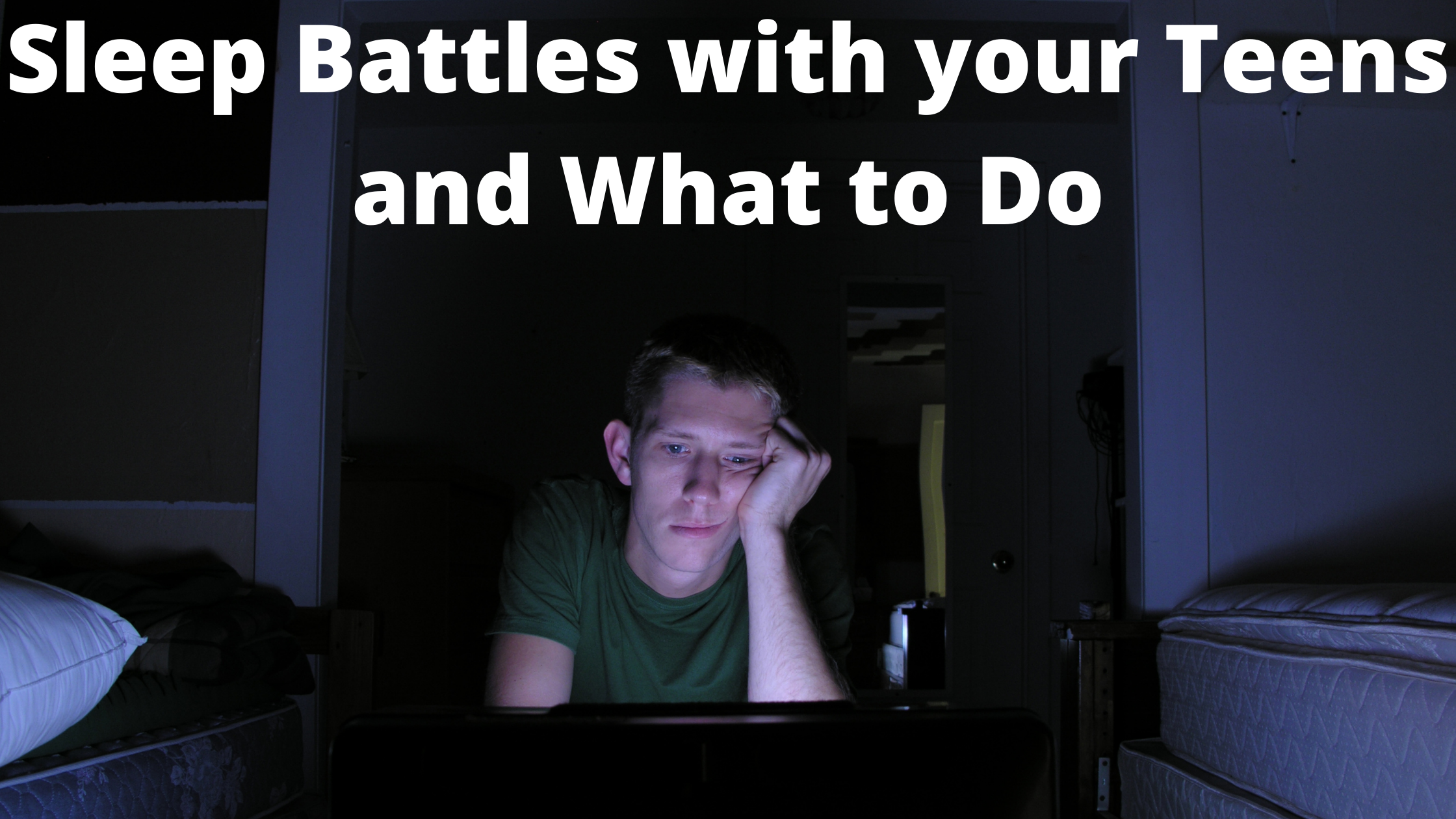
It's no secret that many teenagers stay up late and struggle to wake up for school. Between homework, sports, part-time jobs, social activities, and screen time, sleep often becomes the first thing sacrificed. But chronic sleep deprivation is more than just feeling tired—it can have lasting effects on a teen's physical health, mental well-being, academic performance, and safety.
The American Academy of Sleep Medicine recommends that teenagers between 13 and 18 years old get 8 to 10 hours of sleep each night. Unfortunately, studies show that most high school students fall well short of this goal, creating a pattern of chronic sleep deprivation that can persist for years.
Understanding why teens are especially vulnerable to sleep loss—and how to address it—can help parents, educators, and adolescents prioritize healthy sleep habits.