
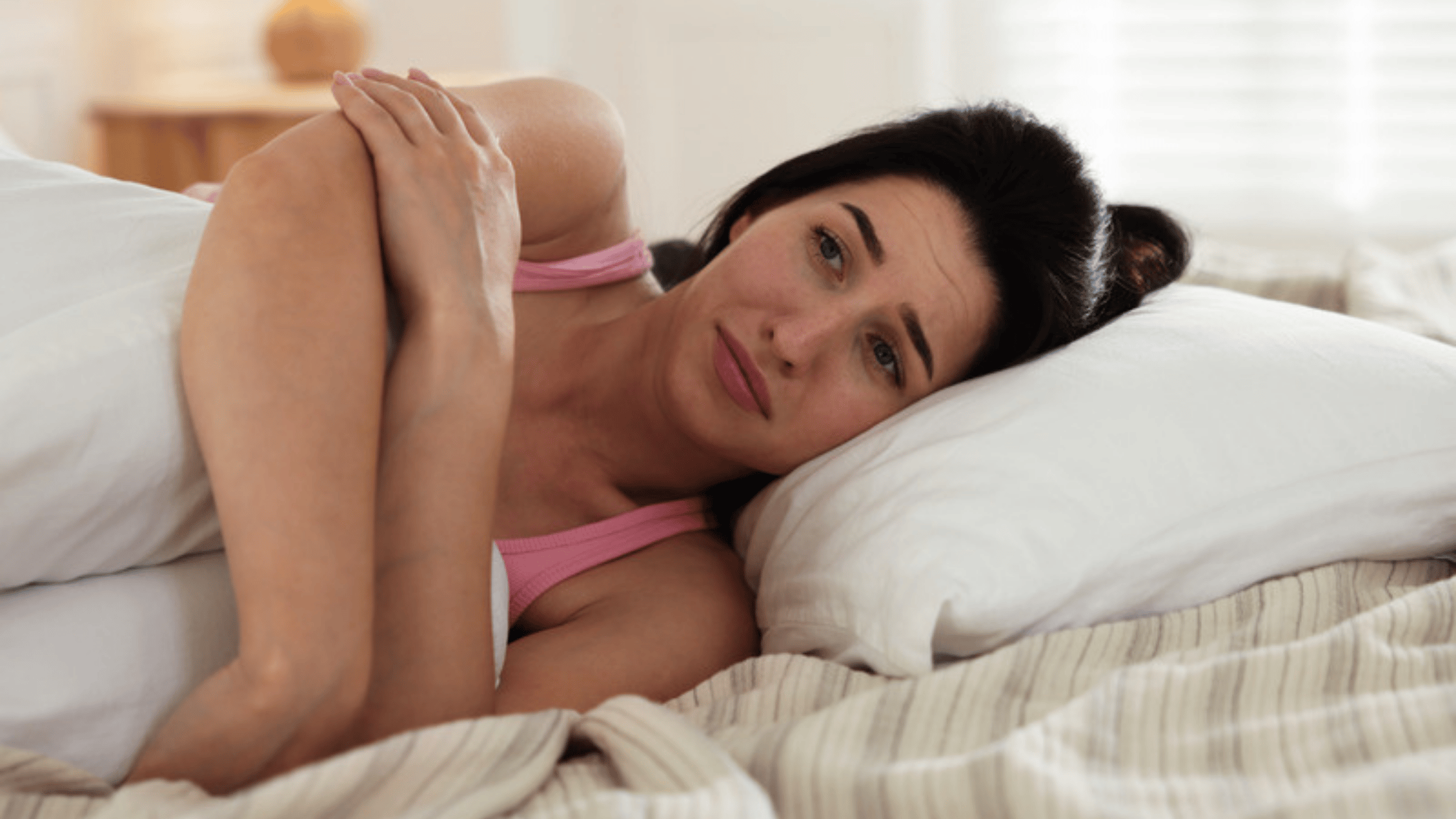
A panic attack can leave you exhausted but unable to sleep.
After the immediate symptoms have passed, your body may still feel as though it is on high alert. Your heart may be racing, your muscles may feel tense, and your mind may continue replaying what happened.
For some people, the most difficult part comes later: being afraid that another panic attack will happen when they try to fall asleep.
What Happens to Sleep After a Panic Attack?
Panic attacks can cause intense physical symptoms, including rapid heart rate, trembling, tingling, and a sudden feeling of fear or loss of control. They can occur while awake or during sleep.
Even after the attack ends, the nervous system may remain activated.
That can make it difficult to transition into sleep.
You may notice:
- Racing thoughts
- Increased awareness of your heartbeat
- Muscle tension
- Fear of falling asleep
- Repeatedly checking your body for symptoms
- Difficulty relaxing
- Frequent nighttime awakenings
Research has found a strong relationship between anxiety disorders and sleep disturbances, including insomnia.
Why Can Fear of Another Panic Attack Keep You Awake?
One of the most frustrating parts of post-panic insomnia is anticipation.
You may begin thinking:
"What if it happens again?"
Then you may start monitoring every sensation.
A slightly faster heartbeat becomes concerning. A normal muscle twitch becomes alarming. Falling asleep itself may begin to feel unsafe.
Over time, the bed can become associated with vigilance rather than sleep.
This cycle can contribute to ongoing insomnia even after the original panic attack has passed.
What Can You Do That Night?
The goal is not to force yourself to sleep immediately.
Instead, focus on allowing your body to settle.
Try Slow Breathing
Slow, comfortable breathing can help reduce the tendency to take rapid breaths during anxiety.
Avoid forcing extremely deep breaths. Instead, focus on making your breathing slower and more comfortable.
Reduce Stimulation
Dim the lights.
Put away work and emotionally stimulating content.
Avoid repeatedly checking your heart rate or searching the internet for explanations of physical symptoms.
Don't Fight Sleep
Trying to force yourself to fall asleep can increase frustration.
If you remain awake and increasingly anxious, get out of bed for a quiet activity in dim lighting and return when you feel sleepy.
This is consistent with principles used in cognitive behavioral therapy for insomnia.
What If This Keeps Happening?
One panic attack does not automatically mean that you have panic disorder.
However, repeated panic attacks, persistent fear of another attack, or significant changes in your behavior because of panic symptoms warrant discussion with a healthcare professional.
Persistent insomnia also deserves evaluation.
Cognitive behavioral therapy for insomnia, commonly called CBT-I, is an evidence-based treatment for chronic insomnia. Anchorage Sleep Center notes that cognitive behavioral therapy may be appropriate for patients experiencing insomnia.
Could Something Else Be Causing the Nighttime Symptoms?
Not every episode of nighttime racing heart, choking, shortness of breath, or abrupt awakening is a panic attack.
Sleep apnea, certain heart conditions, medication effects, reflux, and other medical conditions can produce symptoms that overlap with anxiety.
That is one reason persistent or unexplained nighttime symptoms should not automatically be attributed to panic.
A sleep evaluation can help identify whether another sleep disorder may be contributing.
When Should You Seek Urgent Care?
If symptoms are new, severe, or different from your usual panic symptoms—particularly chest pain, fainting, severe shortness of breath, or other concerning symptoms—seek appropriate medical evaluation rather than assuming the symptoms are anxiety.
The Bottom Line
After a panic attack, your body may remain in a state of heightened alertness even after the immediate danger has passed.
The key is to break the cycle of fear, monitoring, and frustration around sleep. If difficulty sleeping continues, addressing both the anxiety and the sleep problem can be more effective than treating either one in isolation.
If you or someone you know struggles with sleep, please click the orange button below for a free online sleep test.
