
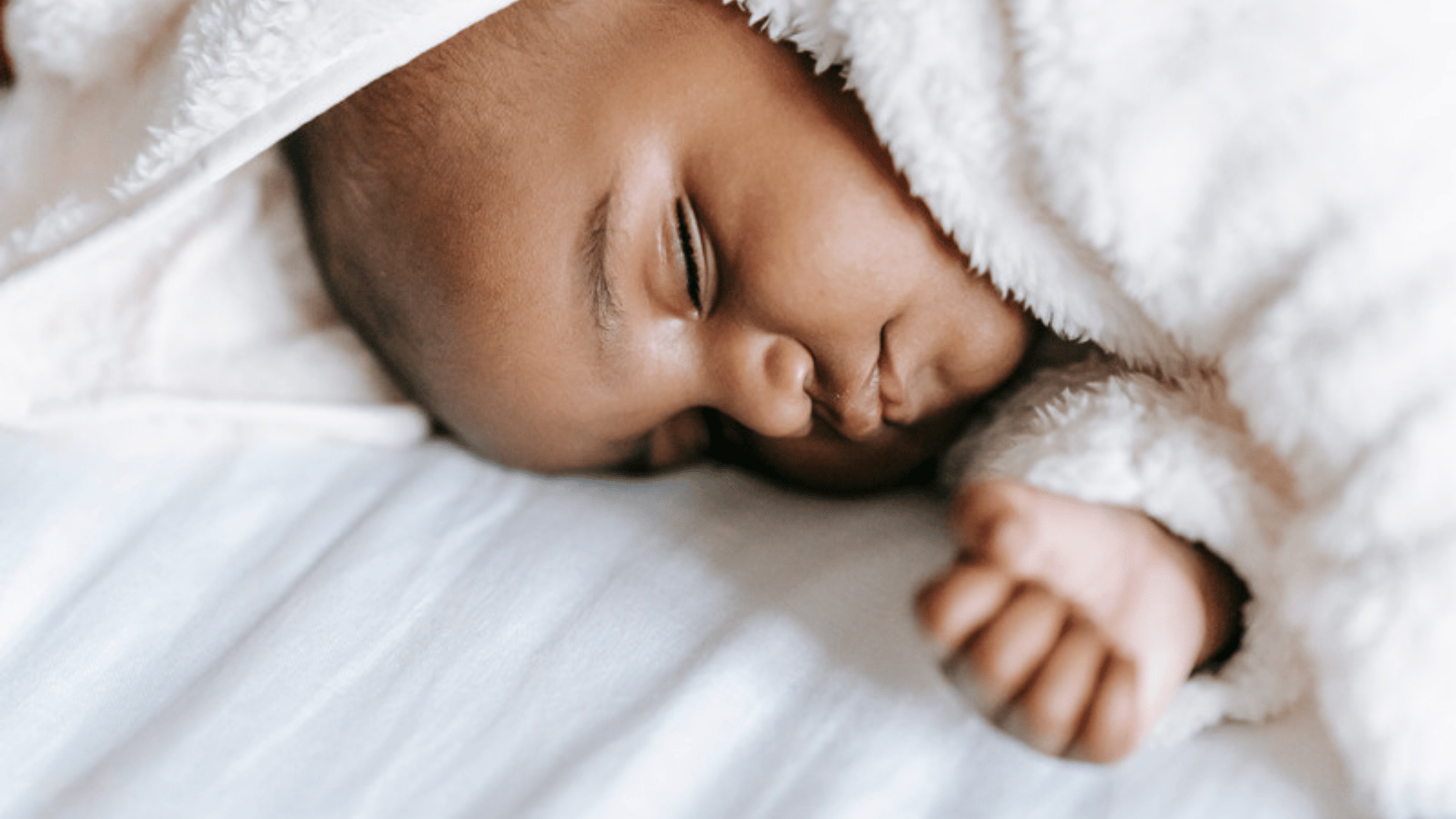
Parents often wonder whether their baby's room is too hot, too cold, or just right.
Unlike adults, infants cannot tell you when they are uncomfortable. Creating a comfortable sleep environment therefore requires paying attention to the room, clothing, and signs that your baby may be overheating.
Is There a Specific Temperature for a Baby's Room?
There is not a universally established "perfect" room temperature for every infant.
The American Academy of Pediatrics notes that it is difficult to provide a specific room-temperature recommendation for preventing overheating because studies have used different definitions of overheating.
Instead of focusing on a single number, parents should consider the overall sleep environment.
Avoid Overheating
Overheating during sleep is a concern because excessive heat and overbundling have been associated with an increased risk of sleep-related infant death.
Signs that your baby may be too warm include:
- Sweating
- Flushed or hot skin
- A chest that feels hot
- Damp hair
- Unusual restlessness
Parents should generally dress babies appropriately for the environment, with no more than one additional layer compared with what a comfortable adult would wear.
Don't Cover Your Baby's Head
Babies should not sleep with hats or other coverings over their heads.
Overheating and head covering can interfere with safe sleep.
Likewise, avoid loose blankets, pillows, stuffed animals, and other soft items in an infant's sleep space.
What Does Safe Infant Sleep Look Like?
Temperature is only one part of a safe sleep environment.
The AAP recommends that infants sleep:
- On their backs
- On a firm, flat sleep surface
- In their own crib, bassinet, or portable play yard
- Without loose bedding or soft objects
- In the parents' room but on a separate sleep surface
Room-sharing without bed-sharing is recommended, ideally for the first year and at least during the first six months.
Can a Fan Help a Baby Sleep?
A fan may help circulate air and make a room feel more comfortable.
However, parents should not use a fan as a substitute for safe-sleep practices. The AAP states that available evidence is insufficient to recommend fans specifically as a strategy for reducing SIDS risk.
If you use a fan, position it so that it is not creating a safety hazard and avoid directing an excessively strong stream of air directly at the baby.
What About Air Conditioning?
Air conditioning can be used to keep a baby's sleeping environment comfortable.
The important consideration is not choosing an exact thermostat setting but avoiding excessive heat and dressing the baby appropriately.
If you are unsure whether your baby is too warm, feel their chest rather than relying solely on their hands and feet, which can normally feel cooler.
When Should Parents Talk to a Pediatrician?
Talk with your baby's pediatrician if you have concerns about:
- Persistent sweating during sleep
- Difficulty regulating temperature
- Breathing problems
- Frequent nighttime waking
- Poor feeding
- Unusual lethargy
- Difficulty sleeping despite an appropriate environment
For additional sleep concerns, a pediatric sleep evaluation may sometimes be appropriate.
Anchorage Sleep Center provides sleep-disorder evaluation and has pediatric patient resources for families seeking help with sleep concerns.
The Bottom Line
There is no single room temperature that guarantees perfect sleep for every baby.
Instead, focus on avoiding overheating, dressing your baby appropriately, and following safe-sleep recommendations. A cool, comfortable room is helpful, but safe sleep practices matter much more than finding a precise thermostat setting.
If you or someone you know struggles with sleep, please click the orange button below for a free online sleep test.
