
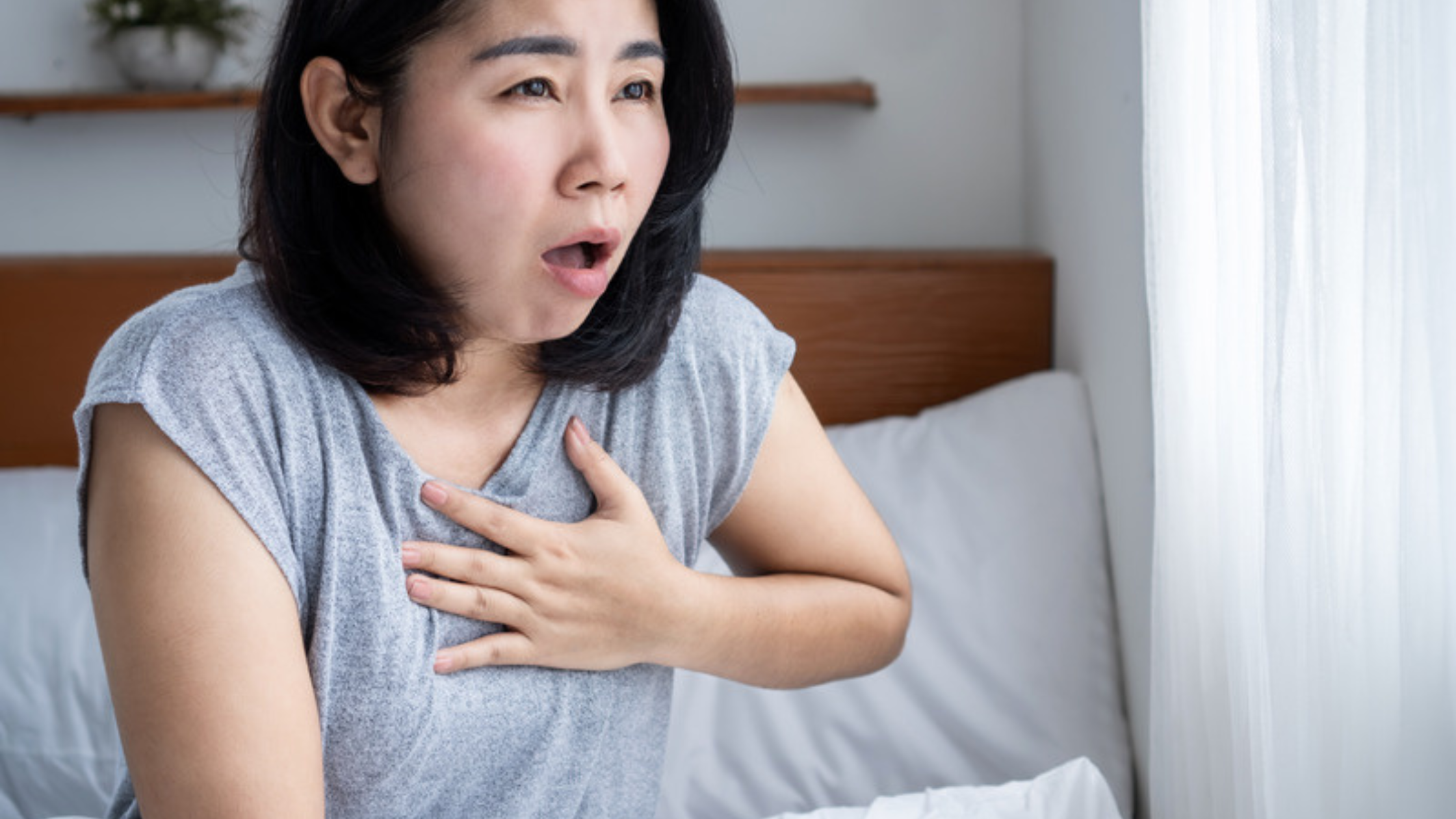
 Feeling your heart suddenly race, pound, flutter, or skip a beat can be unsettling—especially when it happens while you're lying in bed trying to fall asleep.
Heart palpitations can occur at any time, including during rest and sleep. In many cases, they are harmless. However, nighttime palpitations can sometimes be associated with stress, caffeine, alcohol, medications, sleep disruption, or an underlying heart rhythm problem.
Sleep disorders may also play a role. In particular, sleep apnea can place significant stress on the cardiovascular system and is associated with abnormal heart rhythms, including atrial fibrillation.
Understanding why palpitations happen at night can help you determine when they may simply be noticeable—and when they deserve medical attention.
What Are Heart Palpitations?
Heart palpitations are the sensation of being unusually aware of your heartbeat. You may feel like your heart is:
- Racing
- Pounding
- Fluttering
- Skipping a beat
- Beating irregularly
- "Flip-flopping" in your chest
Palpitations are a symptom rather than a diagnosis. They can occur with a normal heart rhythm or with an abnormal rhythm called an arrhythmia.
Why Do You Notice Palpitations More at Night?
You may actually experience palpitations during the day without noticing them.
During the daytime, your attention is often focused on work, conversations, exercise, or other activities. At night, however, you're lying quietly in bed with fewer distractions.
Lying Down May Make Your Heartbeat Feel More Noticeable
Your sleeping position can sometimes change how strongly you perceive your heartbeat. Some people notice palpitations more when lying on their side or in certain positions.
This does not necessarily mean that anything is wrong with your heart.
What Causes Heart Palpitations at Night?
There are many potential causes of nighttime palpitations.
Stress and Anxiety
Stress activates the body's sympathetic nervous system, which is responsible for the "fight-or-flight" response.
If you're lying in bed worrying about work, finances, relationships, health, or the next day, your body may remain in a heightened state of alertness.
Panic Attacks Can Cause Palpitations
A racing or pounding heartbeat is a common symptom of panic attacks. The sensation can be particularly frightening when it happens unexpectedly at night.
Anxiety can also create a cycle:
- You notice your heartbeat.
- You become worried that something is wrong.
- Anxiety increases adrenaline.
- Your heart beats faster or harder.
- You become even more aware of your heartbeat.
Breaking this cycle may require addressing both anxiety and sleep problems.
Caffeine
Caffeine is a stimulant that can increase alertness and, in some people, contribute to palpitations.
Coffee is not the only potential source. Caffeine can also be found in:
- Energy drinks
- Tea
- Soda
- Pre-workout products
- Chocolate
- Some medications
Timing Matters
Even if you drink caffeine several hours before bed, some caffeine may remain in your system when you're trying to sleep.
If you regularly experience nighttime palpitations, consider tracking when you consume caffeine and whether your symptoms occur afterward.
Alcohol
Alcohol may initially make you feel sleepy, but it can interfere with sleep later in the night.
It may also contribute to palpitations in some people. Alcohol use is one of several factors associated with nighttime palpitations.
Dehydration and Electrolyte Changes
Dehydration can affect cardiovascular function and may contribute to palpitations.
Electrolytes—including potassium and magnesium—also play important roles in normal heart rhythm.
Don't Assume a Palpitation Is Just Dehydration
Drinking water may help if dehydration is contributing, but recurring or unexplained palpitations should still be evaluated by a healthcare professional.
Medications and Supplements
Certain medications can cause or contribute to palpitations.
Potential examples include some:
- Decongestants
- Asthma medications
- ADHD medications
- Thyroid medications
- Weight-loss products
- Supplements and stimulants
If your palpitations began after starting a new medication or supplement, talk with your healthcare provider before making any changes.
Can Poor Sleep Cause Heart Palpitations?
Poor sleep can affect the cardiovascular system in several ways.
Sleep deprivation and irregular sleep may influence stress hormones, blood pressure, metabolism, and autonomic nervous system activity.
The relationship can also work in the opposite direction: palpitations may repeatedly wake you up or make you anxious about falling asleep.
The Sleep-Palpitations Cycle
For some people, nighttime palpitations and poor sleep can become a cycle:
Palpitations → anxiety → difficulty sleeping → sleep deprivation → increased stress → more noticeable palpitations
Breaking that cycle may require identifying what is causing the palpitations in the first place.
Sleep Apnea and Heart Palpitations
One of the most important connections between sleep and cardiovascular health is obstructive sleep apnea.
Sleep apnea causes repeated interruptions in breathing during sleep. These episodes can cause changes in oxygen levels, blood pressure, and autonomic nervous system activity.
Why Sleep Apnea Can Affect Heart Rhythm
Sleep-disordered breathing is associated with cardiac arrhythmias, including atrial fibrillation and other rhythm disturbances. The American Heart Association identifies sleep-disordered breathing as an important cardiovascular risk factor and notes its relationship with cardiac arrhythmias.
You May Not Know You're Having Breathing Pauses
Many people with sleep apnea do not remember waking up when their breathing is interrupted.
Instead, they may notice:
- Waking with a racing heart
- Gasping or choking during sleep
- Morning headaches
- Dry mouth
- Frequent nighttime awakenings
- Excessive daytime sleepiness
- Difficulty concentrating
Loud snoring or witnessed pauses in breathing can also be important clues.
Learn more about sleep apnea and other sleep disorders evaluated at Anchorage Sleep Center.
Can Sleep Apnea Cause You to Wake Up With Your Heart Racing?
It can be associated with episodes of increased cardiovascular activation during nighttime breathing disturbances.
When breathing is repeatedly disrupted, the body responds to changes in oxygen and carbon dioxide and activates the sympathetic nervous system. This can produce noticeable changes in heart rate and blood pressure.
Pay Attention to the Pattern
If your heart frequently races immediately after waking, particularly if you also:
- Snore loudly
- Wake up gasping
- Have witnessed breathing pauses
- Wake with headaches
- Feel exhausted during the day
it may be worth discussing sleep apnea with a healthcare professional.
Are Heart Palpitations During Sleep Dangerous?
Most palpitations are not dangerous, but it depends on what is causing them.
Occasional skipped or extra beats can occur in healthy people. Premature atrial contractions and premature ventricular contractions are common examples.
However, palpitations can sometimes be caused by an arrhythmia or another medical condition.
When Should You Talk to a Doctor?
Make an appointment with a healthcare professional if your palpitations:
- Happen frequently
- Are becoming more noticeable or intense
- Last for several minutes or longer
- Wake you from sleep regularly
- Are associated with dizziness
- Occur with significant fatigue
- Are accompanied by a feeling that you may faint
An evaluation may include a medical history, physical examination, electrocardiogram, blood tests, or heart-rhythm monitoring depending on your symptoms.
When Are Palpitations an Emergency?
Palpitations should not automatically be attributed to anxiety or poor sleep.
Seek Immediate Medical Attention for Concerning Symptoms
Call 911 or seek emergency medical care if palpitations occur with:
- Chest pain or pressure
- Severe shortness of breath
- Fainting or loss of consciousness
- Severe dizziness
- New neurological symptoms
- A sustained or very rapid heartbeat accompanied by significant symptoms
The American Heart Association recommends urgent evaluation when palpitations occur with symptoms such as chest pain, shortness of breath, dizziness, or fainting.
What Can You Do About Nighttime Palpitations?
If your palpitations have been medically evaluated and no serious cause has been identified, lifestyle and sleep habits may help reduce triggers.
Limit Caffeine in the Evening
Consider moving coffee, energy drinks, and other caffeinated beverages earlier in the day.
Be Mindful of Alcohol
If you notice palpitations after drinking, reducing alcohol intake may help.
Stay Hydrated
Drink fluids consistently throughout the day rather than waiting until bedtime.
Create a Consistent Sleep Schedule
Going to bed and waking at approximately the same time each day can support your circadian rhythm and overall sleep health.
Address Stress Before Bed
Try a calming activity before bedtime, such as:
- Gentle stretching
- Reading
- Relaxation exercises
- Meditation
- Slow breathing
- Taking a warm shower
Don't Constantly Monitor Your Heartbeat
If you become anxious about your heart rate, repeatedly checking your pulse or wearable device may increase your awareness and anxiety.
If your symptoms are new or concerning, medical evaluation is more useful than repeatedly checking your heart rate yourself.
Could Your Sleep Disorder Be Affecting Your Heart?
If palpitations occur alongside poor-quality sleep, it may be worth looking beyond the heart itself.
Consider a Sleep Evaluation if You Have Other Symptoms
A sleep evaluation may be appropriate if you experience palpitations along with:
- Loud snoring
- Gasping or choking at night
- Witnessed pauses in breathing
- Frequent nighttime awakenings
- Morning headaches
- Excessive daytime sleepiness
- Persistent fatigue
Anchorage Sleep Center offers diagnostic testing and treatment for a range of sleep disorders.
The Bottom Line
Heart palpitations at night can be alarming, but they are not always a sign of a serious heart problem. Stress, anxiety, caffeine, alcohol, dehydration, medications, and simply being more aware of your heartbeat at night can all contribute.
However, recurrent nighttime palpitations should not automatically be dismissed as anxiety or poor sleep. Sleep disorders—particularly sleep apnea—are associated with cardiovascular stress and abnormal heart rhythms.
If you regularly wake up with your heart racing, especially if you also snore, gasp, wake frequently, or feel exhausted during the day, talk with a healthcare professional about whether a sleep disorder could be contributing.
Contact Anchorage Sleep Center to learn more about sleep evaluations and treatment options.
Medical Disclaimer
This article is intended for educational purposes only and should not replace professional medical advice, diagnosis, or treatment. Heart palpitations can have many causes. Seek emergency medical attention for palpitations accompanied by chest pain, severe shortness of breath, fainting, severe dizziness, or other concerning symptoms.
If you or someone you know struggles with sleep, please click the orange button below for a free online sleep test.
