ANCSLEEP BLOG

When Should You Replace Your Pillow? Signs It's Time for a New One

Posted by Darian Dozier on Aug 9, 2026, 7:59:59 AM

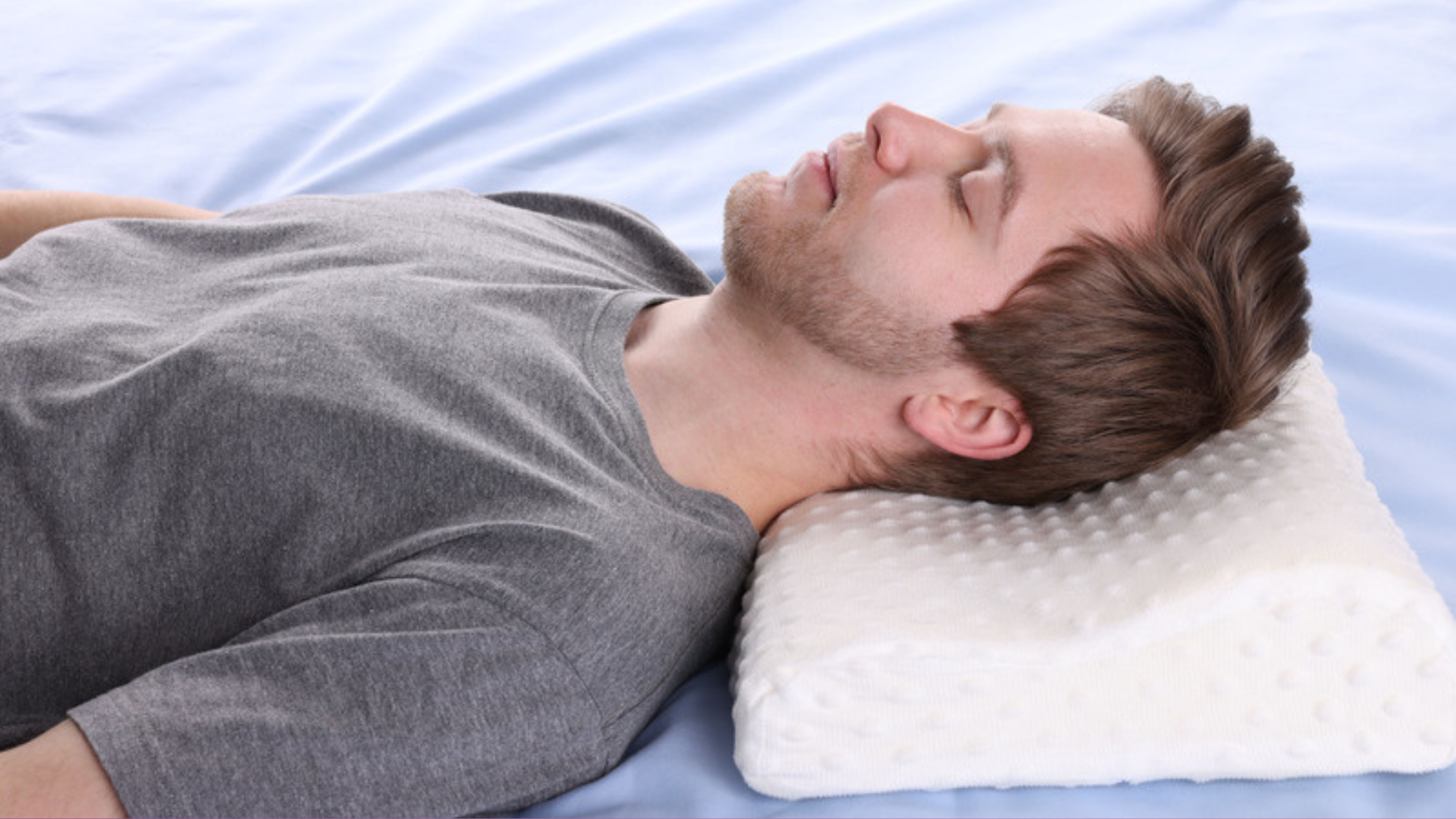
Most people know they should replace their mattress every several years, but many overlook another important part of a healthy sleep environment: the pillow.

Your pillow supports your head, neck, and spine for approximately one-third of your life. Over time, even the highest-quality pillow loses its shape, collects allergens, and becomes less supportive. An old pillow may contribute to neck pain, headaches, allergies, and poor sleep quality.

If you've been waking up feeling stiff or constantly fluffing your pillow throughout the night, it may be time for an upgrade.

Read More

Why Do You Toss and Turn All Night? Common Causes of Restless Sleep

Posted by Darian Dozier on Aug 7, 2026, 7:59:59 AM

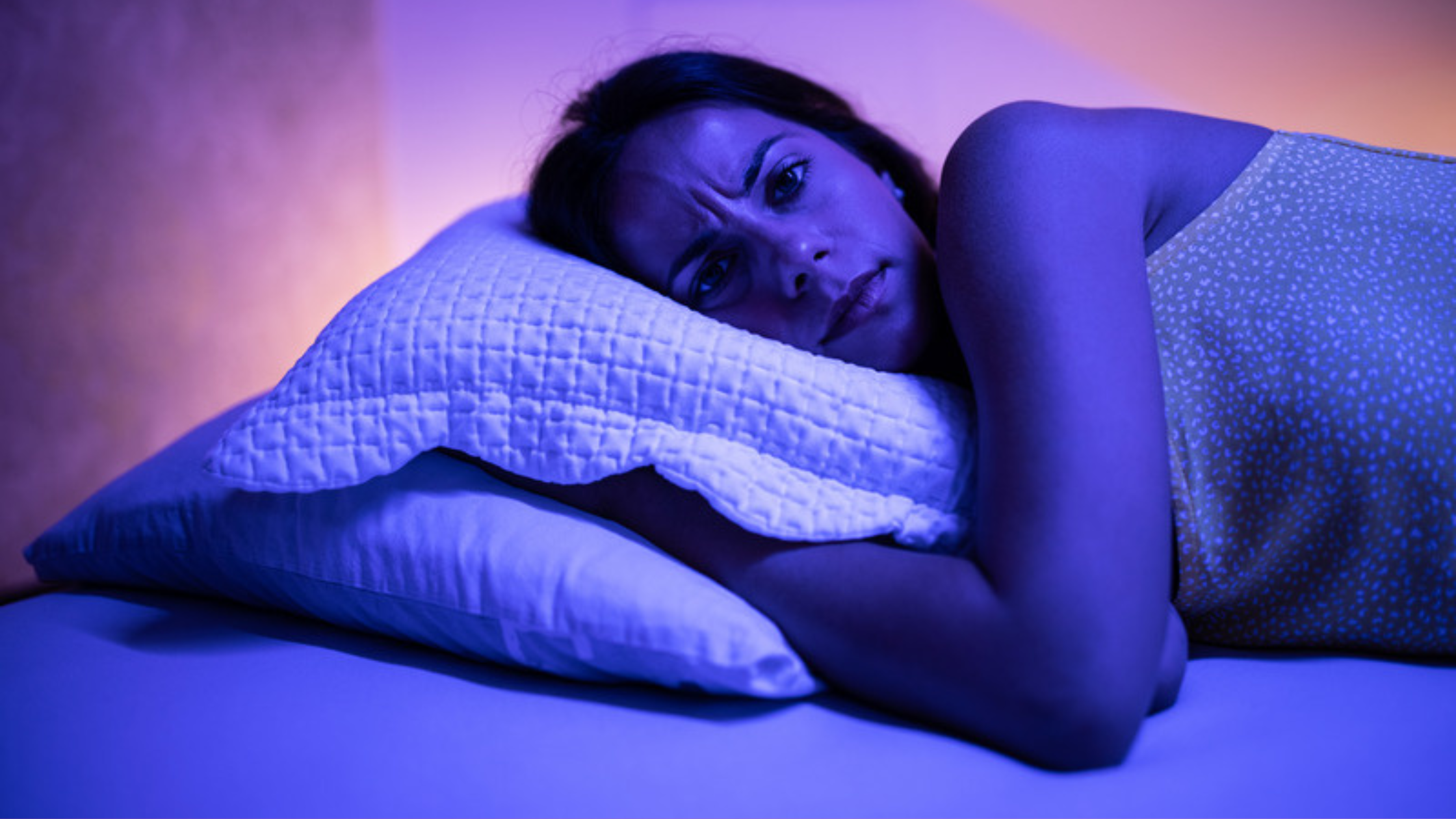
Have you ever woken up feeling like you spent the entire night flipping from one side of the bed to the other? While changing positions during sleep is completely normal, frequent tossing and turning can be a sign that something is interfering with your ability to get deep, restorative rest.

Occasional restless nights happen to everyone. However, if you consistently wake up feeling like you never stopped moving, it's worth exploring what may be disrupting your sleep.

Here's why you might be tossing and turning all night—and what you can do to sleep more soundly.

Read More
Topics: Better Sleep

How Sleep Changes After Major Surgery

Posted by Darian Dozier on Jul 18, 2026, 8:00:00 AM

Major surgery doesn’t just affect the body during the procedure—it also significantly impacts how you sleep during recovery. Many people are surprised to find that even when they feel exhausted, falling asleep or staying asleep becomes difficult in the days and weeks afterward.

Sleep disruption after surgery is extremely common, and a combination of physical, emotional, and environmental factors usually causes it. Understanding why it happens can make recovery feel less frustrating and help you take steps toward better rest.

Read More

Learning to Sleep Alone Again: Finding Rest After a Breakup or Divorce

Posted by Darian Dozier on Apr 26, 2026, 10:08:59 AM
 

There’s a particular kind of quiet that follows a breakup or divorce. It shows up most at night—when the distractions fade, the bed feels bigger, and the absence becomes harder to ignore.

Sleeping alone again isn’t just a physical adjustment. It’s emotional, psychological, and deeply personal. The good news is that, like most transitions, it does get easier—with time and intention.

Read More

Simple Self-Sleep Screens You Can Do Yourself

Posted by Darian Dozier on Apr 22, 2026, 6:46:22 AM

If you’ve ever wondered whether your sleep is “normal,” you’re not alone. Millions of people struggle with poor sleep but never get formally evaluated. The good news? You don’t always need a sleep lab to take the first step.

Self-sleep screening tools can help you identify patterns, flag potential issues, and decide whether it’s time to seek professional help. Think of them as a first check under the hood of your sleep health.

Read More

How Attachment Styles Impact Sleep

Posted by Darian Dozier on Jan 25, 2026, 8:00:00 AM

Sleep is one of our most vulnerable states. We let go of control, reduce awareness of our surroundings, and trust that we are safe enough to rest. Because of this, sleep is deeply influenced by our sense of emotional security—making attachment styles a powerful and often overlooked factor in how well we sleep.

Attachment styles, shaped early in life through relationships with caregivers, continue to influence how we regulate emotions, respond to stress, and seek comfort in adulthood. These patterns don’t stop at the bedroom door.

Read More
Topics: Better Sleep

How to Sleep With a Broken Limb: Practical Tips for Better Rest During Recovery

Posted by Darian Dozier on Dec 25, 2025, 7:59:59 AM

Sleeping with a broken arm or leg can be one of the most frustrating parts of recovery. Pain, swelling, bulky casts or splints, and limited movement often make it difficult to get comfortable or stay asleep. Unfortunately, poor sleep can slow healing, worsen pain, and affect mood.

While sleep may not be perfect during recovery, the right strategies can significantly improve comfort and rest.

Read More

How Parasympathetic vs. Sympathetic Nervous System Impacts Sleep

Posted by Darian Dozier on Dec 3, 2025, 7:59:59 AM

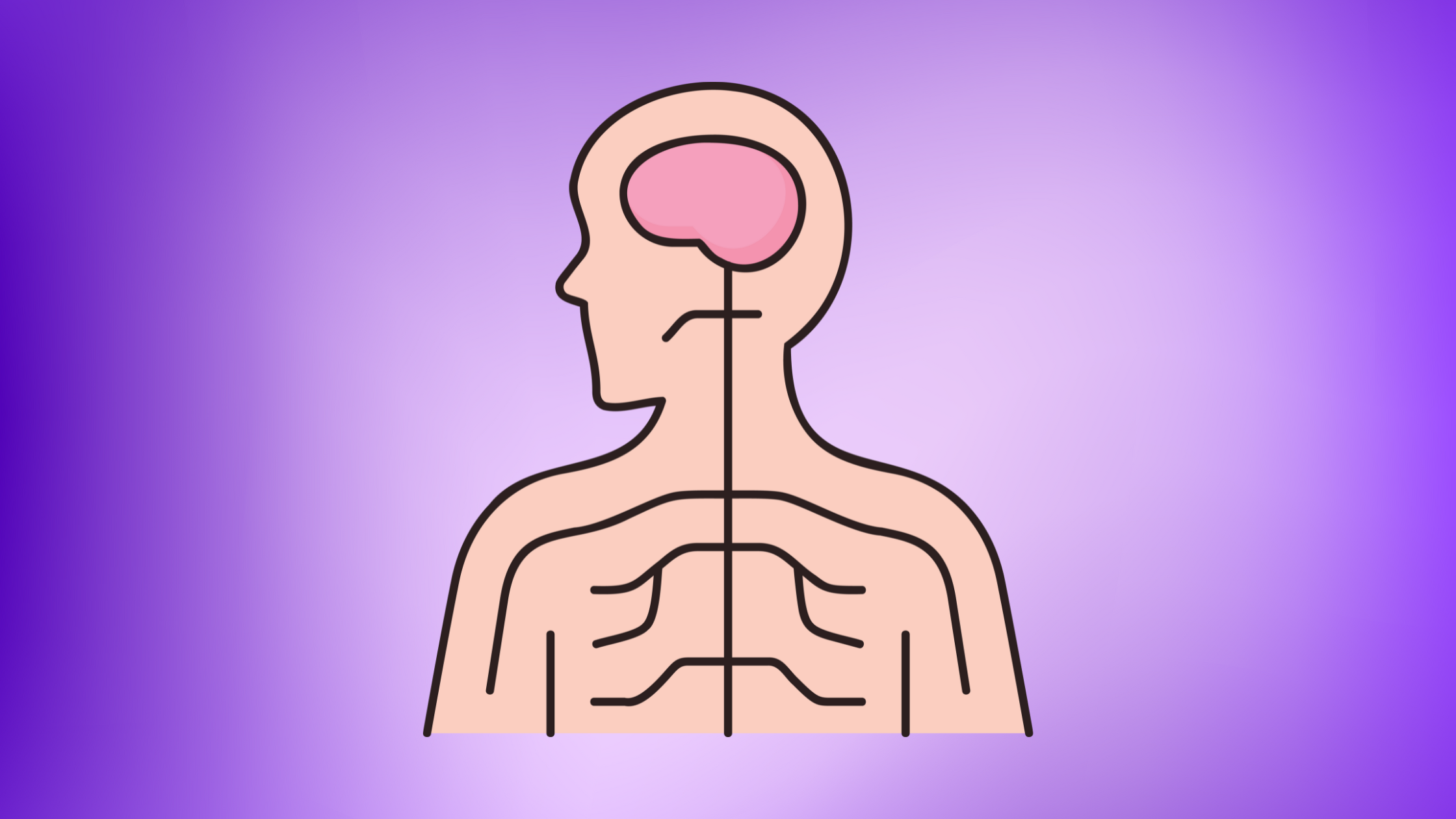
Sleep isn’t simply a matter of feeling tired and closing your eyes—it’s a highly coordinated biological shift. The body must move from a state of alertness into a state of deep restoration, and that transition is controlled largely by two branches of your autonomic nervous system: the sympathetic and the parasympathetic.

Think of them as the body’s accelerator and brake. Both are essential. Both influence sleep. And both can work for—or against—you depending on your daily habits and stress levels.

In this post, we’ll break down what these systems do, how they interact during the sleep–wake cycle, and how you can support the parasympathetic system to promote deeper, more restorative rest.

Read More
Topics: Better Sleep

Deep Pressure Therapy and Sleep: How Gentle Pressure Calms the Body

Posted by Darian Dozier on Nov 25, 2025, 8:00:00 AM

If you’ve ever felt yourself relax instantly under a heavy blanket, enjoyed the grounding comfort of a tight hug, or noticed how infants settle when swaddled, you’ve experienced the calming benefits of deep pressure therapy (DPT). This gentle but firm touch-based technique has grown in popularity because of its powerful effect on the nervous system—and its ability to improve sleep.

From weighted blankets and compression garments to massage and firm hugging sensations, deep pressure therapy helps the brain shift into a calmer state that makes falling asleep and staying asleep easier. Here’s how it works, why it helps, and simple ways to incorporate it into your nightly routine.

Read More
Topics: Better Sleep

How to Overcome the Midday Energy Crash

Posted by Darian Dozier on Nov 23, 2025, 8:00:00 AM

It’s 2 p.m. Your morning coffee has worn off, your concentration is fading, and that wave of fatigue hits hard. The midday energy crash is one of the most common dips in productivity people experience—especially in the modern workday, where screens, stress, and sedentary habits dominate. But that afternoon slump isn’t inevitable. With a few lifestyle tweaks and science-backed strategies, you can keep your energy stable and your focus sharp from morning to night.

Read More

Subscribe to Email Updates

Recent Posts

Posts by Topic

see all