
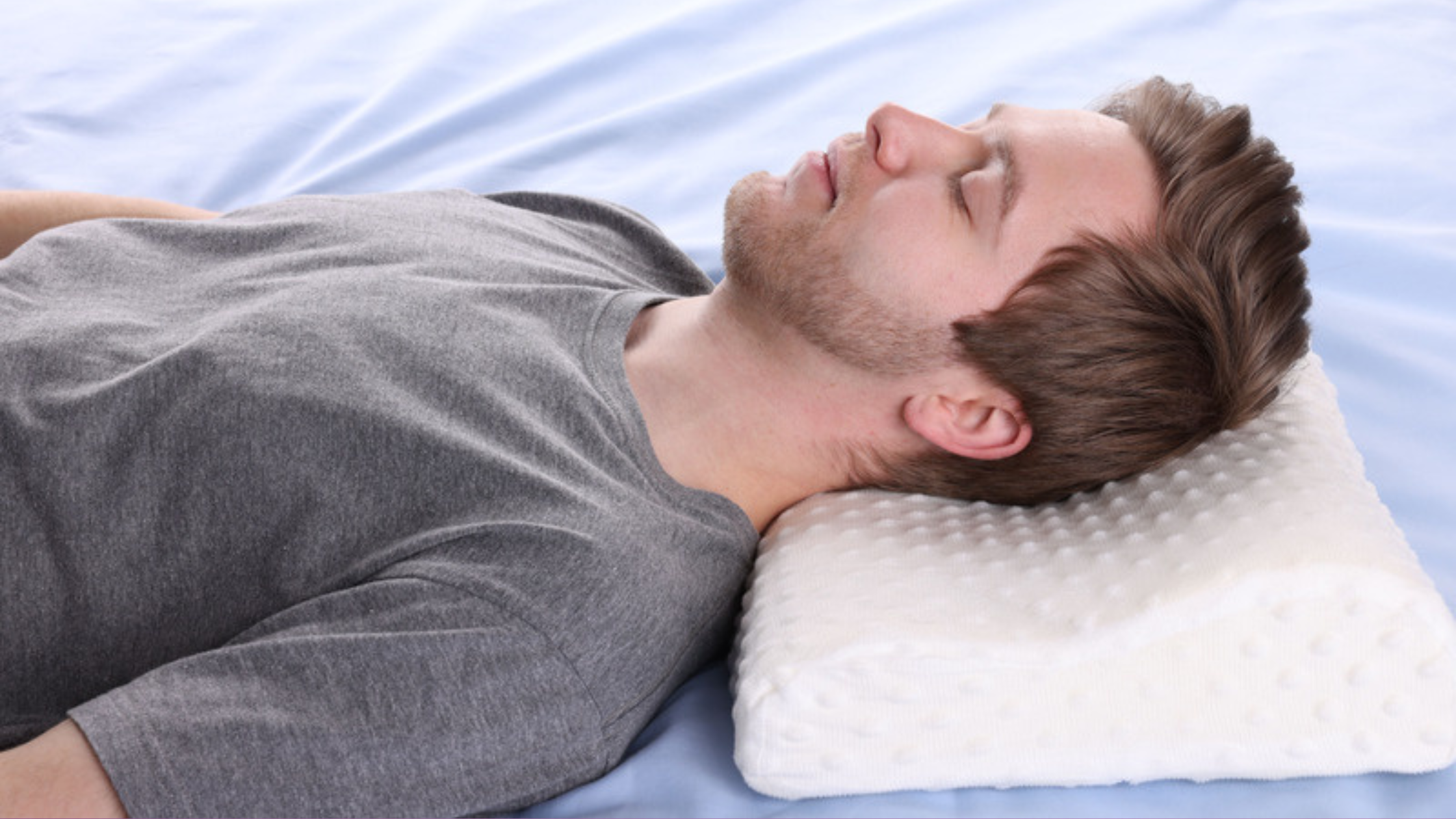
Most people know they should replace their mattress every several years, but many overlook another important part of a healthy sleep environment: the pillow.
Your pillow supports your head, neck, and spine for approximately one-third of your life. Over time, even the highest-quality pillow loses its shape, collects allergens, and becomes less supportive. An old pillow may contribute to neck pain, headaches, allergies, and poor sleep quality.
If you've been waking up feeling stiff or constantly fluffing your pillow throughout the night, it may be time for an upgrade.
Why Your Pillow Matters
A pillow does more than provide comfort. Its primary job is to keep your head, neck, and spine in proper alignment while you sleep.
When your pillow provides adequate support, it can help:
- Maintain healthy spinal alignment
- Reduce pressure on the neck and shoulders
- Improve overall sleep comfort
- Minimize nighttime tossing and turning
A pillow that no longer supports your head properly may leave you waking up sore or feeling like you never found a comfortable position.
How Often Should You Replace Your Pillow?
The lifespan of a pillow depends on its material, quality, and how often it's used.
As a general guideline:
- Polyester pillows: Every 1–2 years
- Memory foam pillows: Every 2–3 years
- Latex pillows: Every 2–4 years
- Down or feather pillows: Every 1–3 years, depending on quality and care
Using a pillow protector and following the manufacturer's care instructions may help extend its lifespan.
Signs It's Time to Replace Your Pillow
Even if your pillow hasn't reached its expected lifespan, there are several signs that it may no longer be providing the support you need.
You Wake Up With Neck or Shoulder Pain
If you regularly wake with:
- Neck stiffness
- Shoulder discomfort
- Tension headaches
- Upper back pain
your pillow may no longer be supporting your head in a neutral position.
While pain can have many causes, replacing an old pillow is a simple first step that may improve comfort.
Your Pillow Has Lost Its Shape
Over time, pillow materials compress and break down.
Signs of wear include:
- Flat or lumpy filling
- Uneven support
- Difficulty returning to its original shape after use
If you're constantly folding or fluffing your pillow to make it comfortable, it may be nearing the end of its life.
The Fold Test
One simple way to check a fiber-filled pillow is the fold test.
Fold the pillow in half and then let go.
If it:
- Springs back into its original shape, it likely still has adequate support.
- Stays folded or recovers very slowly, it's probably time for a replacement.
This test is less reliable for memory foam and latex pillows, which have different construction.
You Notice Increased Allergy Symptoms
Pillows naturally collect:
- Dust mites
- Dead skin cells
- Pet dander
- Sweat
- Oils
- Other allergens
If you notice:
- Morning congestion
- Sneezing upon waking
- Itchy eyes
- Worsening allergy symptoms
an aging pillow may be contributing.
Regular washing and pillow protectors help, but they cannot completely prevent allergen buildup over time.
Your Pillow Smells Musty
Even with regular pillowcase changes, pillows absorb:
- Sweat
- Body oils
- Moisture
Persistent odors that remain after washing may indicate it's time for a new pillow.
You Sleep Better Somewhere Else
If you consistently sleep better:
- In hotels
- At a family member's house
- On vacation
your pillow at home could be part of the problem.
While many factors influence sleep, an unsupportive pillow may contribute to discomfort and nighttime awakenings.
Choosing the Right Pillow
Not every pillow works for every sleeper.
The best pillow depends on your preferred sleep position.
Side Sleepers
Side sleepers generally benefit from:
- A thicker pillow
- Firm support
- Enough height to keep the neck aligned with the spine
Back Sleepers
Back sleepers often prefer:
- Medium loft
- Moderate firmness
- Support that maintains the natural curve of the neck without pushing the head too far forward
Stomach Sleepers
Sleeping on your stomach places additional strain on the neck.
If you sleep in this position, a:
- Thin pillow
- Soft pillow
- Or, in some cases, no pillow under the head
may reduce neck strain. Many sleep specialists also encourage side sleeping when possible because it places less stress on the neck and lower back.
Can the Wrong Pillow Affect Sleep Quality?
Yes.
An unsupportive pillow can contribute to:
- Frequent position changes
- Nighttime awakenings
- Neck discomfort
- Morning headaches
- Reduced sleep quality
While replacing a pillow won't cure insomnia or sleep apnea, it may improve overall comfort and reduce sleep interruptions caused by poor positioning.
Tips to Make Your Pillow Last Longer
Proper care can help extend the life of your pillow.
Use a Pillow Protector
A zippered pillow protector helps shield against:
- Sweat
- Dust mites
- Allergens
- Moisture
It also makes cleaning easier.
Wash It Regularly
Many pillows can be washed, but always follow the manufacturer's instructions.
Regular cleaning helps remove:
- Dirt
- Body oils
- Allergens
Pillowcases should also be washed weekly.
Fluff Your Pillow Daily
For down and fiber-filled pillows, daily fluffing helps redistribute filling and maintain support.
Replace Pillows as a Pair
If two pillows have been used for the same amount of time, replacing them together often ensures more consistent support.
When a New Pillow Isn't Enough
If you've replaced your pillow but still experience:
- Persistent neck pain
- Loud snoring
- Excessive daytime sleepiness
- Frequent nighttime awakenings
- Chronic insomnia
the problem may not be your pillow alone.
Underlying sleep disorders, musculoskeletal conditions, or other medical issues may require evaluation by a healthcare provider.
The Bottom Line
Your pillow is one of the most important—and often overlooked—parts of your sleep environment. As pillows age, they lose their ability to support your head and neck, accumulate allergens, and become less comfortable.
Replacing your pillow every few years, choosing one that matches your sleep position, and keeping it clean can help improve comfort and support better sleep. If you regularly wake up with neck pain, allergy symptoms, or an unrefreshing night's sleep, your pillow may be ready for retirement.
Sometimes, a simple change to your sleep environment can make a noticeable difference in how well you rest.
If you've upgraded your pillow and optimized your sleep environment but still wake up feeling tired, consider talking with your healthcare provider or a sleep specialist. Persistent sleep problems may be a sign of an underlying condition that deserves attention.
If someone you know is struggling with sleep, please click the orange button below to take a free online sleep test and talk with one of our sleep health professionals.
