
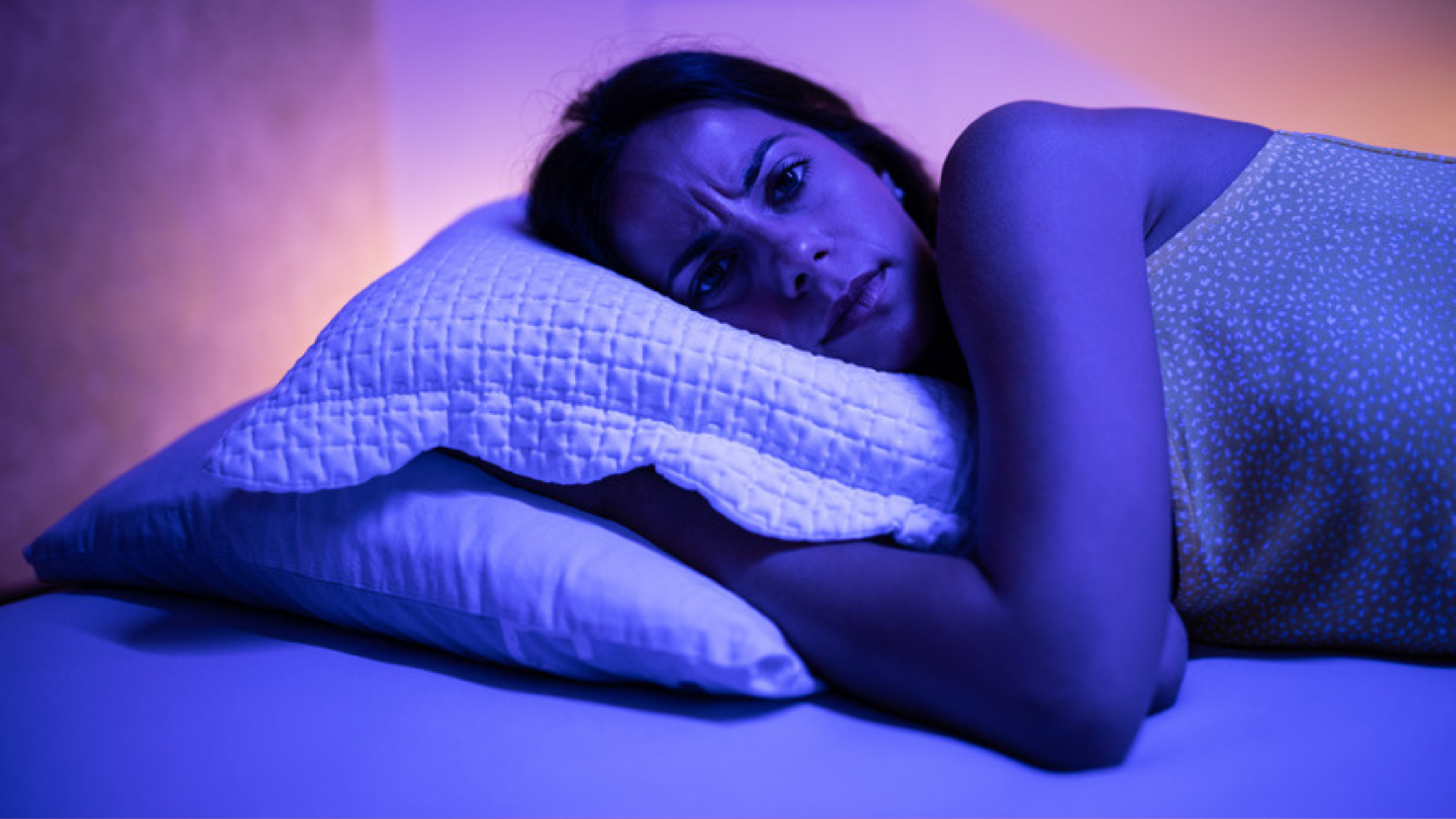
Have you ever woken up feeling like you spent the entire night flipping from one side of the bed to the other? While changing positions during sleep is completely normal, frequent tossing and turning can be a sign that something is interfering with your ability to get deep, restorative rest.
Occasional restless nights happen to everyone. However, if you consistently wake up feeling like you never stopped moving, it's worth exploring what may be disrupting your sleep.
Here's why you might be tossing and turning all night—and what you can do to sleep more soundly.
Is It Normal to Move During Sleep?
Yes. Everyone moves throughout the night.
Most healthy adults naturally change positions multiple times while sleeping. These movements help:
- Relieve pressure on joints and muscles
- Improve circulation
- Prevent prolonged pressure on one area of the body
- Maintain comfort as sleep progresses
Most of these movements are brief and happen without you ever remembering them.
The problem arises when movement becomes frequent enough to interrupt your sleep or prevent you from reaching deeper stages of sleep.
Stress and Anxiety
One of the most common reasons people toss and turn is stress.
When you're worried or anxious, your body remains in a more alert state. Stress hormones like cortisol and adrenaline can make it difficult to fully relax, even when you're physically tired.
You may notice:
- Racing thoughts
- Difficulty falling asleep
- Frequent awakenings
- Feeling mentally "on" throughout the night
Managing stress often leads to noticeable improvements in sleep quality.
An Uncomfortable Mattress or Pillow
Your sleep environment plays a major role in how often you move during the night.
An aging or unsupportive mattress can cause:
- Pressure points
- Back pain
- Neck discomfort
- Hip or shoulder pain
Your body naturally shifts positions to relieve discomfort, leading to more tossing and turning.
Similarly, the wrong pillow may leave your neck out of alignment, causing stiffness and frequent movement.
Sleeping Too Hot or Too Cold
Your body temperature naturally decreases as you prepare for sleep.
If your bedroom is too warm or too cold, your body may struggle to maintain a comfortable temperature, causing you to:
- Wake up frequently
- Throw off blankets
- Change sleeping positions
- Feel restless
Most sleep experts recommend keeping your bedroom cool to promote better sleep.
Pain and Medical Conditions
Chronic pain is another common cause of restless sleep.
Conditions that may contribute include:
- Arthritis
- Back pain
- Fibromyalgia
- Joint injuries
- Muscle soreness
Pain often becomes more noticeable when you're lying still, causing frequent position changes throughout the night.
Restless Legs Syndrome (RLS)
Restless legs syndrome is a neurological condition that causes uncomfortable sensations in the legs, often described as:
- Crawling
- Tingling
- Pulling
- Aching
These sensations typically worsen in the evening and improve temporarily with movement.
People with RLS often toss and turn because moving their legs provides short-term relief.
Obstructive Sleep Apnea
Many people don't realize that tossing and turning can be associated with obstructive sleep apnea (OSA).
OSA causes repeated pauses in breathing during sleep, leading to:
- Brief awakenings
- Frequent position changes
- Restless sleep
- Loud snoring
- Gasping or choking during the night
Because these awakenings are often very brief, many people are unaware they're occurring.
Insomnia
People with insomnia often spend more time awake in bed, naturally leading to more movement.
If you're unable to fall asleep or stay asleep, you may find yourself:
- Changing positions repeatedly
- Looking at the clock
- Fluffing pillows
- Adjusting blankets
Unfortunately, constantly searching for the "perfect" position rarely solves the underlying cause of insomnia.
Caffeine and Other Stimulants
Caffeine can remain in your body for several hours after consumption.
Consuming coffee, energy drinks, soda, or certain teas later in the day may:
- Delay sleep onset
- Increase nighttime alertness
- Make sleep lighter
- Increase nighttime movement
Nicotine and some medications can have similar effects.
Alcohol Before Bed
Although alcohol may make you feel sleepy initially, it often disrupts sleep later in the night.
Alcohol can:
- Fragment sleep
- Reduce REM sleep
- Increase nighttime awakenings
- Worsen snoring and sleep apnea
As a result, you may spend more of the night changing positions and waking up.
Certain Medications
Some medications can contribute to restless sleep, including:
- Corticosteroids
- Some antidepressants
- Stimulant medications
- Decongestants
- Certain asthma medications
If you notice sleep changes after starting a new medication, talk with your healthcare provider before making any changes.
Lifestyle Habits That Can Contribute
Several everyday habits can also affect nighttime movement.
These include:
- Irregular sleep schedules
- Long daytime naps
- Heavy meals close to bedtime
- Lack of physical activity
- Excessive screen time before bed
Improving sleep habits often reduces nighttime restlessness.
How to Reduce Tossing and Turning
Fortunately, many causes of restless sleep are treatable.
Keep a Consistent Sleep Schedule
Going to bed and waking up at the same time each day helps regulate your body's internal clock.
Optimize Your Sleep Environment
Your bedroom should be:
- Cool
- Quiet
- Dark
- Comfortable
Replacing an old mattress or pillow may also improve sleep quality.
Limit Caffeine Late in the Day
Avoid caffeine during the afternoon and evening if you're sensitive to its effects.
Develop a Relaxing Bedtime Routine
Try activities such as:
- Reading
- Gentle stretching
- Meditation
- Deep breathing
- Listening to calming music
These habits help prepare your brain for sleep.
Stay Physically Active
Regular exercise promotes better sleep, but vigorous workouts should generally be avoided close to bedtime if they make it harder for you to fall asleep.
When Should You See a Healthcare Provider?
Occasional tossing and turning is normal, but you should seek medical evaluation if:
- Restless sleep occurs most nights.
- You wake feeling exhausted despite spending enough time in bed.
- You snore loudly or stop breathing during sleep.
- You have uncomfortable leg sensations at night.
- Pain regularly interrupts your sleep.
- Daytime sleepiness affects work, school, or driving.
A healthcare provider or sleep specialist can determine whether an underlying sleep disorder is contributing to your symptoms.
The Bottom Line
Changing positions during sleep is a normal part of healthy rest, but excessive tossing and turning may signal that something is interfering with your sleep quality.
Stress, pain, an uncomfortable mattress, restless legs syndrome, sleep apnea, insomnia, medications, and lifestyle habits can all contribute to restless sleep. Identifying the underlying cause is the first step toward more restorative rest.
If you're spending every night searching for a comfortable position and waking up feeling worn out, don't ignore it. Better sleep may begin with addressing the factors keeping you in motion all night long.
Call to Action: If restless sleep is leaving you tired day after day, consider speaking with your healthcare provider or a sleep specialist. A thorough evaluation can help identify the cause and guide you toward treatments that promote deeper, more restorative sleep.
If someone you know is struggling with sleep, please click the orange button below to take a free online sleep test and talk with one of our sleep health professionals.
