
Many people have heard the general recommendation that adults should get 7 to 9 hours of sleep each night. While this guideline is a helpful starting point, sleep needs are not exactly the same for everyone.
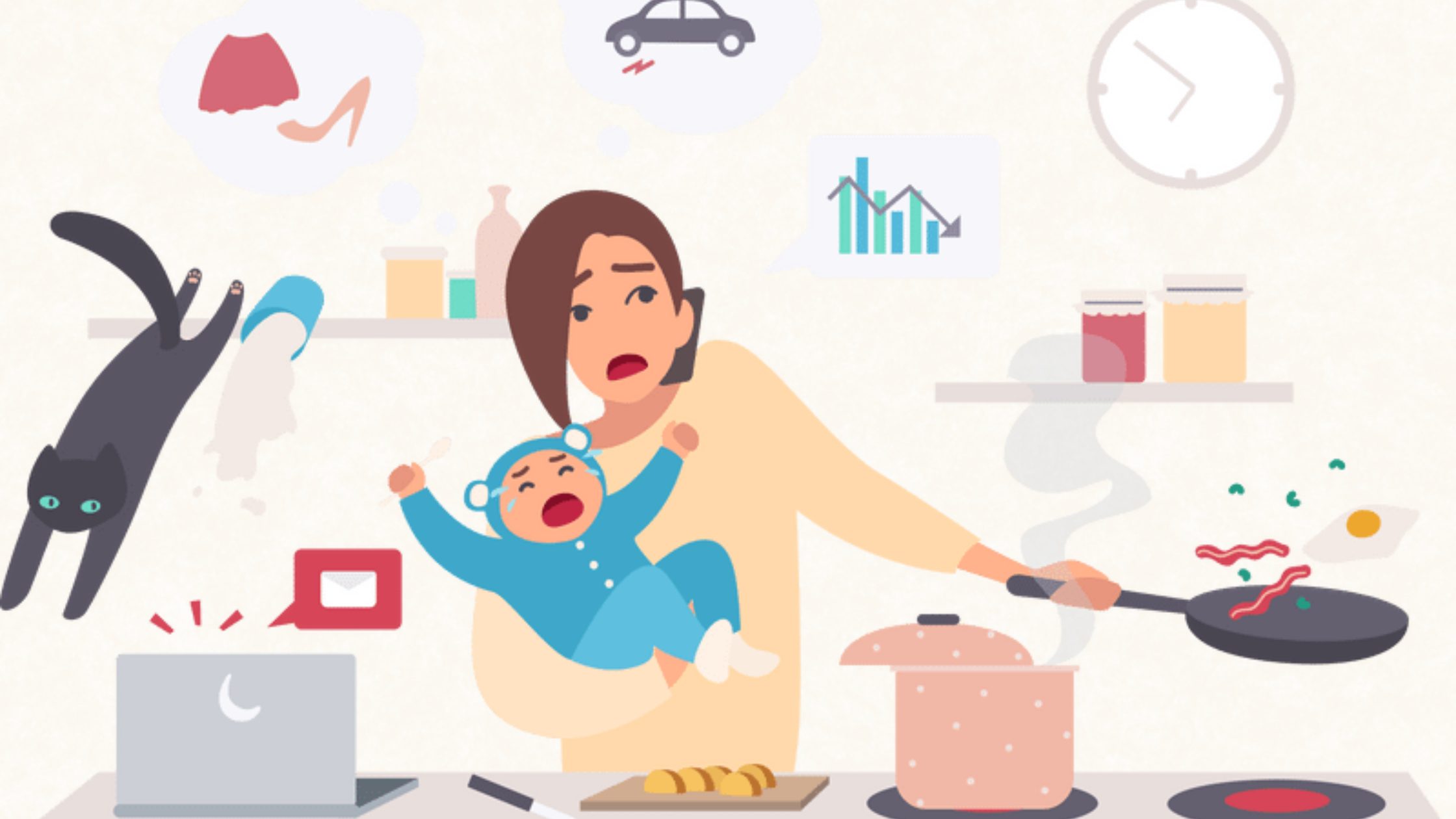
The amount of sleep you need depends on many factors, including your age, activity level, health status, stress levels, work demands, and daily habits. Someone training for a marathon may need more sleep than someone with a sedentary lifestyle. A new parent may struggle with sleep quantity due to nighttime awakenings, while a person recovering from illness may require additional rest.
Sleep recommendations are not one-size-fits-all. Understanding how lifestyle affects sleep needs can help you determine what amount of rest allows you to feel and function at your best.
How Much Sleep Do Adults Typically Need?
General sleep recommendations vary by age:
- Newborns: 14–17 hours per day
- Infants: 12–16 hours per day (including naps)
- Toddlers: 11–14 hours per day
- Preschool children: 10–13 hours per day
- School-age children: 9–12 hours per day
- Teenagers: 8–10 hours per day
- Adults: 7–9 hours per night
- Older adults: 7–8 hours per night
These ranges represent averages, but individual sleep needs can vary based on lifestyle and health factors.
Physical Activity Can Increase Sleep Needs
Exercise is one of the best ways to improve sleep quality, but higher levels of physical activity may also increase your body's need for recovery.
During sleep, your body:
- Repairs muscle tissue
- Restores energy stores
- Reduces inflammation
- Supports immune function
- Releases growth hormone
People who engage in intense physical activity—such as endurance training, competitive sports, or heavy resistance training—may benefit from more sleep than someone with lower activity demands.
Athletes often require closer to 8–10 hours of sleep to maximize recovery and performance.
Stress Levels Affect How Much Sleep You Need
Mental and emotional stress can significantly influence sleep requirements.
During periods of high stress, the body releases hormones such as cortisol that help regulate the stress response. While these hormones are helpful in short bursts, chronic stress can interfere with sleep quality.
People experiencing ongoing stress may need more sleep because:
- Sleep quality may be reduced.
- The body requires additional recovery.
- Emotional regulation becomes more difficult with sleep loss.
Stress can also create a cycle where poor sleep increases stress, and stress makes sleep more difficult.
Your Job and Schedule Influence Sleep Needs
Work demands can have a major impact on both sleep duration and quality.
Shift Workers
People who work overnight shifts or rotating schedules often experience disruption to their circadian rhythm, the body's internal clock that controls sleep and wake patterns.
Shift workers may experience:
- Shorter sleep duration
- More fragmented sleep
- Increased daytime fatigue
Because their sleep is often less efficient, some shift workers may need additional time in bed to achieve adequate recovery.
Physically Demanding Jobs
Jobs that require heavy physical labor may increase recovery needs.
Construction workers, healthcare workers, first responders, and others with physically demanding roles may benefit from prioritizing longer sleep opportunities.
Mentally Demanding Jobs
Sleep is also essential for cognitive performance.
People with demanding careers may need adequate sleep to support:
- Memory
- Concentration
- Decision-making
- Problem-solving
- Emotional regulation
A lack of sleep can affect work performance even when someone feels they have adapted to being tired.
Pregnancy Changes Sleep Needs
Pregnancy creates significant physical and hormonal changes that can affect sleep.
During pregnancy, many people experience:
- Increased fatigue
- More frequent nighttime awakenings
- Physical discomfort
- Changes in sleep position
While recommended sleep duration does not dramatically increase for all pregnant individuals, many may need additional rest because sleep quality becomes more disrupted.
Prioritizing sleep during pregnancy supports maternal health, fetal development, and overall well-being.
Parenting and Sleep Requirements
New parents often experience a major reduction in uninterrupted sleep.
Newborns typically wake frequently for feeding and care, making it difficult to achieve long stretches of sleep.
During this stage, the focus may shift from achieving a specific number of hours to:
- Maximizing opportunities for rest
- Sharing nighttime responsibilities
- Taking naps when possible
- Accepting support from others
Although sleep disruption is temporary, chronic sleep deprivation can affect mood, attention, and overall health.
Diet and Nutrition Can Influence Sleep Needs
Nutrition and sleep are closely connected.
Poor nutrition may affect sleep by contributing to:
- Low energy
- Hormonal disruption
- Increased stress responses
- Difficulty maintaining stable blood sugar
People who are under significant nutritional stress, recovering from illness, or engaging in intense training may need more sleep to support healing and recovery.
Age Changes How Lifestyle Affects Sleep
Sleep needs change throughout life.
Children and Teenagers
Young people need more sleep because their bodies and brains are actively developing.
Sleep supports:
- Growth hormone release
- Brain development
- Learning
- Emotional regulation
- Immune function
Adults
Adults often balance work, relationships, exercise, and responsibilities that can affect sleep opportunities.
Lifestyle choices become especially important for maintaining consistent sleep.
Older Adults
Older adults may not necessarily need significantly less sleep, but they often experience changes such as:
- Lighter sleep
- More nighttime awakenings
- Earlier wake times
Maintaining healthy habits can help support restorative sleep with aging.
Alcohol, Caffeine, and Screen Time Can Change Sleep Quality
Lifestyle habits may not always change the number of hours you need, but they can affect how restorative your sleep is.
Caffeine
Caffeine can remain in the body for several hours and may make it harder to fall asleep or achieve deep sleep.
Alcohol
Although alcohol may make some people feel sleepy initially, it can disrupt sleep later in the night and reduce sleep quality.
Screen Use
Bright screens in the evening can interfere with melatonin production and delay the body's natural sleep signals.
How Do You Know If You Need More Sleep?
Your body often provides clues that you are not getting enough rest.
Signs you may need more sleep include:
- Feeling tired throughout the day
- Difficulty concentrating
- Irritability
- Increased cravings
- Poor exercise recovery
- Needing multiple alarms to wake up
- Falling asleep unintentionally during the day
Feeling "used to" being tired does not necessarily mean you are getting enough sleep.
How to Find Your Ideal Sleep Amount
Instead of focusing only on a specific number, consider how you function during the day.
Ask yourself:
- Do I wake up feeling refreshed?
- Do I maintain energy throughout the day?
- Can I focus without excessive effort?
- Do I rely heavily on caffeine to function?
- Do I recover well from exercise?
Your ideal sleep amount is the amount that allows you to feel alert, healthy, and productive.
When Sleep Needs May Signal a Medical Issue
Needing more sleep than usual or feeling exhausted despite adequate sleep may indicate an underlying issue.
Talk with a healthcare provider if you experience:
- Excessive daytime sleepiness
- Loud snoring
- Breathing pauses during sleep
- Persistent insomnia
- Significant changes in sleep patterns
- Fatigue despite getting enough hours of sleep
Conditions such as sleep apnea, insomnia, thyroid disorders, anemia, and other medical issues can affect sleep quality.
The Bottom Line
The recommended number of hours of sleep is a guideline—not a strict rule. Your ideal sleep duration depends on your age, lifestyle, activity level, stress, health, and daily demands.
While most adults function best with 7 to 9 hours of sleep per night, some people may need more or less depending on their circumstances. Athletes, people under high stress, those recovering from illness, and individuals with disrupted sleep schedules may require additional recovery time.
The goal is not simply to spend more time asleep—it is to achieve enough high-quality sleep to support your body, brain, and overall health.
If you are consistently tired despite getting enough sleep, experiencing changes in your sleep patterns, or struggling with daytime fatigue, talk with your healthcare provider or a sleep specialist. Understanding your unique sleep needs is an important step toward better health and quality of life.
If someone you know is struggling with sleep, please click the orange button below to take a free online sleep test and talk with one of our sleep health professionals.
