
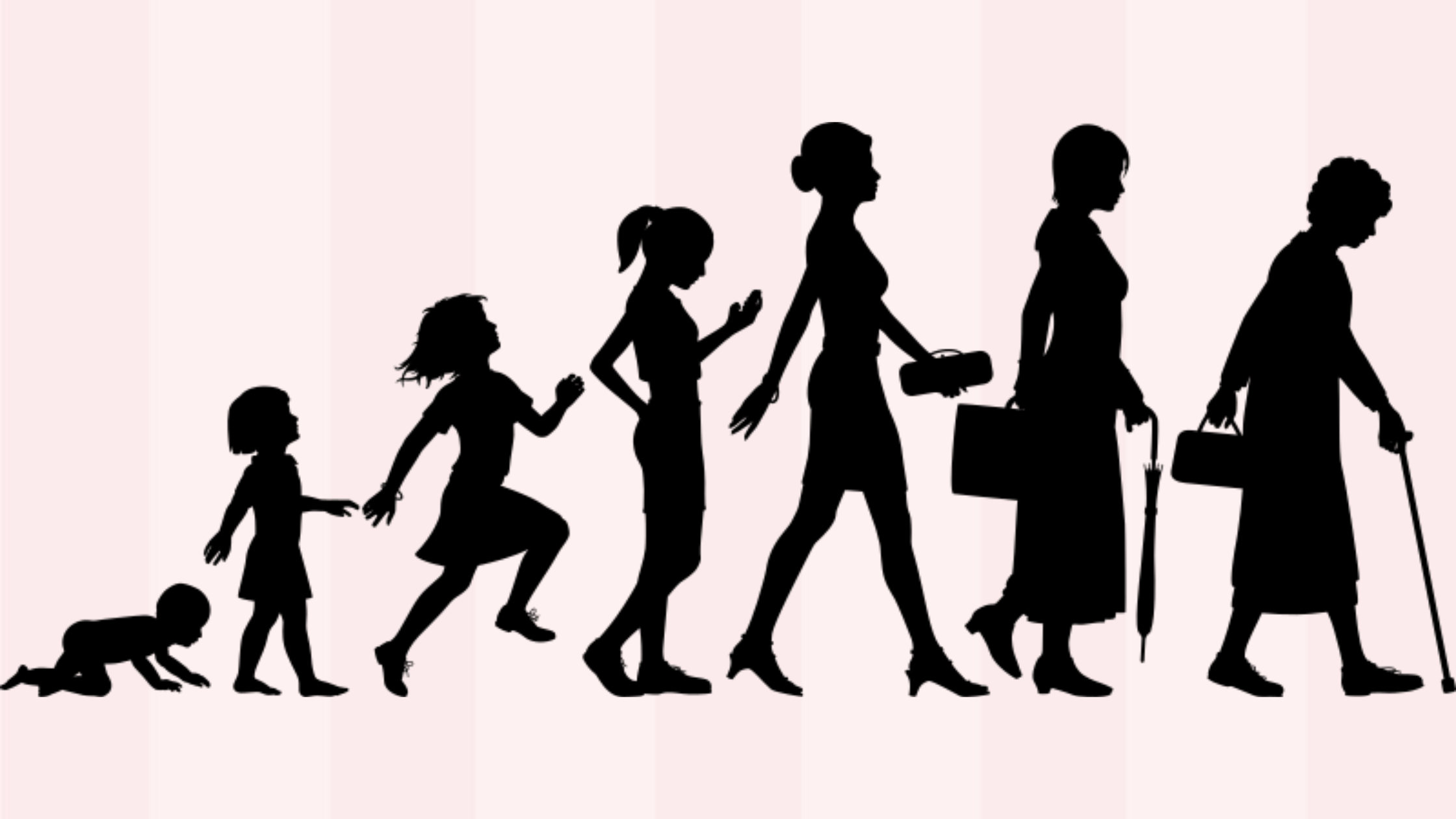
Most people notice that their sleep changes as they get older. Teenagers often stay up late, adults may struggle to get enough sleep because of work and family obligations, and many older adults find themselves waking before sunrise. These changes are not simply habits—they are largely driven by your circadian rhythm.
Your body follows a natural 24-hour internal clock known as the circadian rhythm. This biological timing system influences when you feel awake, sleepy, hungry, energetic, and even when your body releases hormones. While many people think of their sleep schedule as simply a habit, your circadian rhythm is deeply rooted in biology—and it changes significantly throughout your lifetime.
Understanding how your body clock evolves can help explain why teenagers struggle to wake up early, why older adults tend to rise with the sun, and how maintaining healthy circadian rhythms can improve overall health.
Your circadian rhythm is your body's internal 24-hour clock that regulates sleep, wakefulness, hormone production, metabolism, body temperature, and countless other biological processes. While this system is incredibly resilient, it naturally changes throughout life.
Understanding how your circadian rhythm evolves can help you improve your sleep, support your overall health, and recognize when changes may warrant medical attention.
What Is a Circadian Rhythm?
The circadian rhythm is an internal biological clock that coordinates many of your body's daily functions. Located within the suprachiasmatic nucleus (SCN) of the hypothalamus, this master clock receives signals from light entering your eyes and uses that information to synchronize your body's daily schedule.
The circadian rhythm regulates:
- Sleep and wake cycles
- Melatonin production
- Cortisol release
- Body temperature
- Appetite
- Metabolism
- Blood pressure
- Immune function
- Cognitive performance
Although genetics influence your circadian rhythm, lifestyle habits such as sunlight exposure, exercise, meal timing, and sleep consistency all play important roles.
How Circadian Rhythms Change Throughout Life
Your body's internal clock changes significantly from infancy through older adulthood.
Infancy: Developing an Internal Clock
Newborns are not born with a fully functioning circadian rhythm.
Instead, infants sleep in short intervals throughout the day and night because their brains have not yet synchronized with the light-dark cycle.
Over the first several months of life:
- Melatonin production increases.
- Sleep gradually shifts toward nighttime.
- Daytime alertness becomes more predictable.
- Regular exposure to daylight helps establish healthy rhythms.
By approximately three to six months of age, many infants begin developing a more consistent nighttime sleep schedule.
Childhood: A Strong and Stable Rhythm
Children generally have some of the healthiest circadian rhythms of any age group.
Their bodies naturally release melatonin earlier in the evening, making it easier to fall asleep and wake up refreshed.
Healthy childhood sleep is supported by:
- Consistent bedtimes
- Plenty of outdoor play
- Regular physical activity
- Limited evening screen time
These habits strengthen the body's internal clock and promote healthy development.
Adolescence: Why Teenagers Stay Up Later
One of the most dramatic circadian changes occurs during puberty.
Delayed Melatonin Release
During adolescence, the brain begins releasing melatonin later in the evening.
As a result, teenagers often do not feel sleepy until 10:00 p.m., 11:00 p.m., or even later.
This shift is biologically normal and not simply a matter of poor sleep habits.
Why Early School Start Times Are Challenging
Many schools require students to wake several hours before their biological clocks are ready.
This mismatch between school schedules and adolescent circadian rhythms contributes to:
- Chronic sleep deprivation
- Difficulty concentrating
- Poor academic performance
- Mood changes
- Anxiety
- Depression
- Increased accident risk
This is one reason many sleep experts support later school start times for teenagers.
Young Adulthood: Circadian Rhythm Reaches Its Peak
During the twenties and early thirties, circadian rhythms are generally the most stable.
Most adults develop a natural chronotype.
Morning Larks vs. Night Owls
People generally fall into one of three categories:
- Morning types ("larks")
- Evening types ("night owls")
- Intermediate types
While genetics influence chronotype, consistent sleep habits and daily routines can strengthen healthy circadian function.
How Circadian Rhythms Change During Middle Age
Beginning in the forties and fifties, subtle biological changes begin affecting sleep timing.
Many adults notice they become sleepy earlier in the evening and begin waking earlier in the morning.
These changes are influenced by:
- Reduced melatonin production
- Hormonal changes
- Increased sensitivity to morning light
- Lifestyle factors
Sleep also becomes lighter, and nighttime awakenings become more common.
Circadian Rhythm Changes in Older Adults
As we age, the body's internal clock becomes less robust.
Several biological changes contribute to this process.
Reduced Melatonin Production
Older adults naturally produce less melatonin, making it more difficult to maintain consolidated nighttime sleep.
Changes Within the Brain's Master Clock
Age-related changes in the suprachiasmatic nucleus reduce the brain's ability to regulate precise sleep-wake timing.
Reduced Exposure to Daylight
Many older adults spend less time outdoors, weakening one of the body's strongest circadian signals.
More Medical Conditions and Medications
Chronic illnesses and certain medications may further disrupt normal circadian rhythms.
Common Sleep Changes in Older Adults
Many older adults experience:
- Earlier bedtimes
- Earlier morning awakenings
- More nighttime awakenings
- Lighter sleep
- Less deep sleep
- Increased daytime napping
While these changes are common, persistent insomnia or excessive daytime sleepiness should not simply be considered a normal part of aging.
Why Circadian Rhythm Changes Matter
Circadian rhythms influence far more than sleep.
Research has linked circadian disruption to an increased risk of:
- Cardiovascular disease
- Type 2 diabetes
- Obesity
- Depression
- Anxiety
- Cognitive decline
- Dementia
- Certain cancers
- Reduced immune function
Maintaining a healthy circadian rhythm supports nearly every organ system in the body.
Factors That Can Disrupt Your Circadian Rhythm
Several everyday habits can interfere with your body's natural clock.
Evening Screen Time
Blue light from phones, tablets, computers, and televisions suppresses melatonin production and delays sleep.
Irregular Sleep Schedules
Frequently changing your bedtime and wake time confuses your internal clock and reduces sleep quality.
Lack of Natural Sunlight
Sunlight is the strongest cue that keeps your circadian rhythm synchronized.
Insufficient daytime light exposure weakens these signals.
Shift Work
Working overnight forces the body to remain awake during its biological nighttime, increasing the risk of long-term circadian disruption.
Frequent Travel
Crossing multiple time zones causes jet lag because your internal clock needs time to adjust to the new schedule.
How to Support a Healthy Circadian Rhythm
Although aging naturally changes your circadian rhythm, healthy habits can help maintain a stronger internal clock.
Get Morning Sunlight
Spend 20 to 30 minutes outdoors shortly after waking whenever possible.
Morning sunlight is one of the most effective ways to strengthen circadian rhythms.
Maintain a Consistent Sleep Schedule
Go to bed and wake up at approximately the same time every day, including weekends.
Consistency helps reinforce your body's internal clock.
Exercise Regularly
Daily physical activity improves sleep quality and supports healthy circadian timing.
Morning and afternoon exercise may provide the greatest circadian benefits.
Limit Light Before Bed
Reduce exposure to bright lights and electronic screens during the hour before bedtime to encourage natural melatonin production.
Avoid Late-Day Caffeine
Because caffeine remains in the body for several hours, consuming it late in the afternoon or evening can delay sleep onset.
Eat Meals at Regular Times
Consistent meal timing helps synchronize metabolic rhythms alongside your sleep-wake cycle.
When Should You Talk to Your Doctor?
Sleep changes are expected throughout life, but some symptoms deserve medical evaluation.
Consider speaking with your healthcare provider if you experience:
- Persistent insomnia
- Excessive daytime sleepiness
- Loud snoring or pauses in breathing during sleep
- Significant changes in memory related to poor sleep
- Difficulty maintaining a regular sleep schedule
Many circadian rhythm disorders can be effectively treated with behavioral changes, light therapy, or other targeted interventions.
Frequently Asked Questions About Circadian Rhythms
Does your circadian rhythm naturally change as you age?
Yes. Circadian rhythms gradually shift throughout life. Teenagers often experience delayed sleep timing, while older adults tend to become sleepy earlier and wake earlier in the morning.
Why do older adults wake up so early?
Aging is associated with reduced melatonin production, changes in the brain's internal clock, and increased sensitivity to morning light, all of which contribute to earlier wake times.
Can you improve your circadian rhythm?
Yes. Consistent sleep schedules, morning sunlight exposure, regular exercise, and limiting evening light exposure are among the best ways to support a healthy circadian rhythm.
What is the biggest disruptor of circadian rhythm?
Modern lifestyles expose many people to bright artificial light at night while limiting natural daylight exposure. Combined with irregular sleep schedules, these factors are among the most common causes of circadian disruption.
Final Thoughts
Your circadian rhythm is constantly evolving throughout your lifetime. From infancy to older adulthood, changes in your internal clock influence when you feel awake, sleepy, and energetic. While these changes are a normal part of aging, healthy daily habits can help keep your circadian rhythm strong.
Prioritizing regular sleep schedules, morning sunlight, physical activity, and healthy lifestyle choices not only improves sleep but also supports heart health, metabolism, brain function, and overall well-being. By working with your body's natural clock rather than against it, you can enjoy better sleep and better health at every stage of life.
Please click the orange button below to take a free online sleep test and talk with one of our sleep health professionals.
