
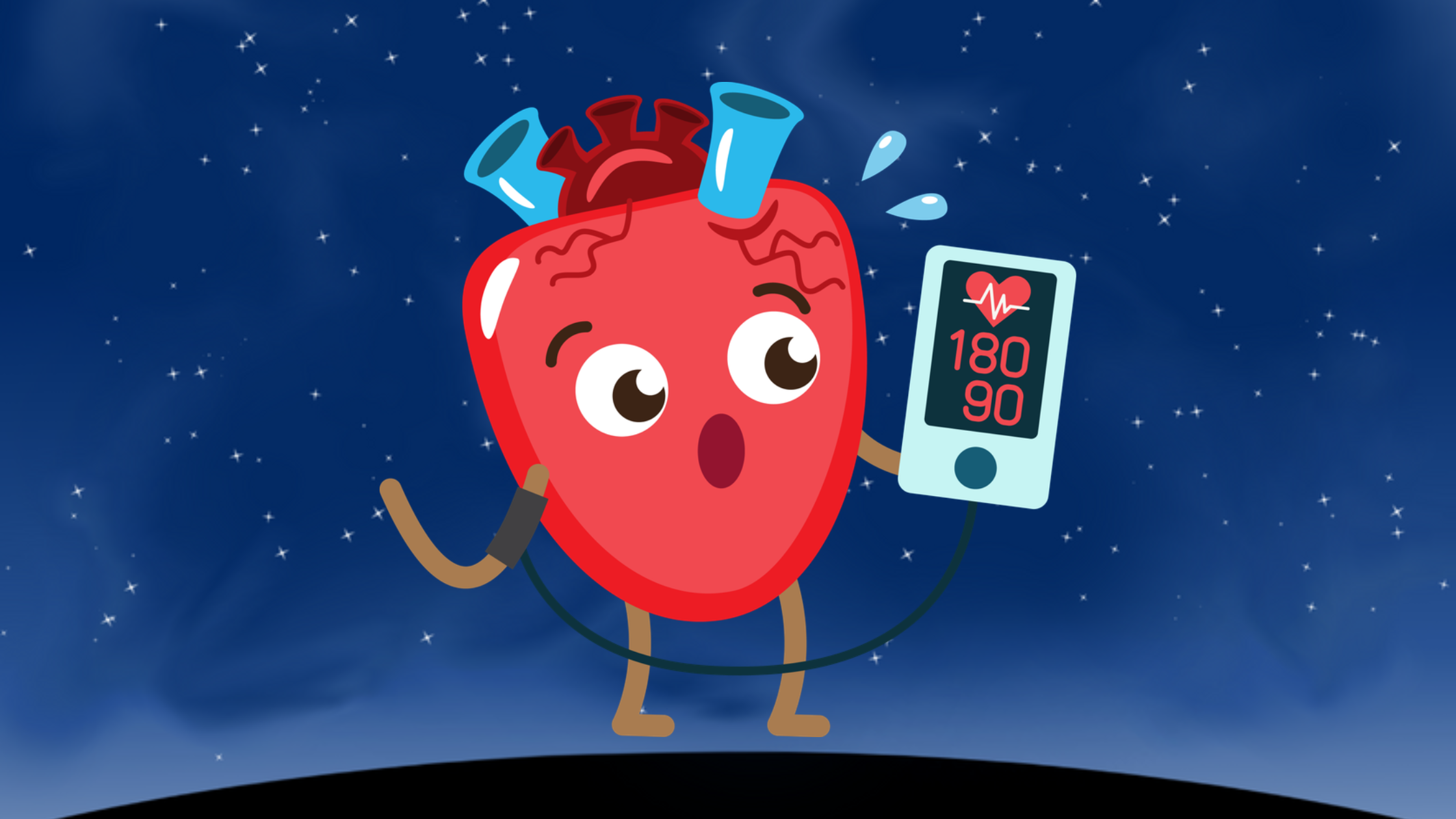
High blood pressure (hypertension) is often called the "silent killer" because it usually develops without noticeable symptoms. While many people know that uncontrolled blood pressure increases the risk of heart attacks and strokes, fewer realize that it can also have a significant impact on sleep.
The relationship works both ways. Poor sleep can make blood pressure more difficult to control, and uncontrolled hypertension can contribute to sleep disturbances. Over time, this creates a cycle that may worsen cardiovascular health and reduce overall quality of life.
Understanding this connection can help you take steps to improve both your sleep and your heart health.
The Connection Between Sleep and Blood Pressure
Sleep is one of the body's most important recovery periods. During healthy sleep, your heart and blood vessels get a chance to rest.
Normally, blood pressure decreases by about 10% to 20% during sleep. This phenomenon is known as nocturnal dipping.
For people with uncontrolled hypertension, this normal nighttime drop may not occur. Instead, blood pressure remains elevated throughout the night, placing continuous stress on the heart, blood vessels, kidneys, and brain.
Why Blood Pressure Should Drop During Sleep
During deep sleep, the nervous system shifts into a more relaxed state.
The Parasympathetic Nervous System Takes Over
As you fall asleep:
- Heart rate slows.
- Blood vessels relax.
- Stress hormone levels decrease.
- Blood pressure falls naturally.
This nightly recovery period gives the cardiovascular system time to rest before the next day.
What Happens in Uncontrolled Hypertension?
When blood pressure remains elevated around the clock, your body never receives this full period of cardiovascular recovery.
Persistent nighttime hypertension has been associated with a higher risk of:
- Heart attack
- Stroke
- Heart failure
- Kidney disease
- Cognitive decline
How Uncontrolled Blood Pressure Can Disrupt Sleep
Although high blood pressure itself does not always cause symptoms, it is commonly associated with conditions that interfere with healthy sleep.
Frequent Nighttime Urination
People with uncontrolled hypertension may wake multiple times during the night to urinate.
This may occur because:
- High blood pressure affects kidney function.
- Certain blood pressure medications increase urine production.
- Heart conditions related to hypertension can cause fluid shifts while lying down.
Repeated awakenings make it difficult to achieve restorative sleep.
Headaches
Some people with severely elevated blood pressure experience morning headaches or headaches that disrupt sleep.
While mild hypertension rarely causes symptoms, dangerously high blood pressure requires immediate medical evaluation.
Restless Sleep
Elevated nighttime blood pressure keeps the body in a heightened state of physiological stress.
Many people report:
- Frequent awakenings
- Light sleep
- Difficulty staying asleep
- Feeling unrefreshed despite spending enough time in bed
The Link Between High Blood Pressure and Sleep Apnea
One of the strongest connections between hypertension and poor sleep is obstructive sleep apnea (OSA).
What Is Sleep Apnea?
Sleep apnea occurs when the upper airway repeatedly collapses during sleep, causing brief pauses in breathing.
Each pause results in:
- Lower oxygen levels
- Brief awakenings
- Increased stress hormone release
- Temporary spikes in blood pressure
Some people experience these episodes dozens or even hundreds of times each night.
Signs of Sleep Apnea
Common symptoms include:
- Loud snoring
- Gasping or choking during sleep
- Witnessed pauses in breathing
- Morning headaches
- Excessive daytime sleepiness
- Difficulty concentrating
Many people are unaware they have sleep apnea until a bed partner notices the symptoms.
Sleep Apnea Makes Blood Pressure Harder to Control
Obstructive sleep apnea is one of the leading causes of resistant hypertension, meaning blood pressure remains elevated despite taking multiple medications.
Treating sleep apnea—often with continuous positive airway pressure (CPAP) therapy—can improve sleep quality and help lower blood pressure in many patients.
How Poor Sleep Raises Blood Pressure
The relationship works in the opposite direction as well.
Poor sleep increases the activity of the sympathetic nervous system, sometimes called the "fight-or-flight" response.
Sleep Deprivation Increases Stress Hormones
When you consistently get too little sleep, your body produces higher levels of:
- Cortisol
- Adrenaline
- Norepinephrine
These hormones cause:
- Blood vessels to constrict
- Heart rate to increase
- Blood pressure to rise
Over time, chronic sleep deprivation contributes to sustained hypertension.
Insomnia and Hypertension
People with chronic insomnia often experience increased nighttime arousal.
Instead of relaxing during sleep, the body remains partially activated, making blood pressure more difficult to regulate.
Research has shown that individuals with chronic insomnia may have a higher risk of developing hypertension over time.
Lifestyle Factors That Affect Both Sleep and Blood Pressure
Many healthy habits benefit both cardiovascular health and sleep quality.
Maintain a Consistent Sleep Schedule
Going to bed and waking up at the same time every day helps regulate your body's internal clock and supports healthy blood pressure patterns.
Exercise Regularly
Physical activity helps:
- Lower blood pressure
- Improve sleep quality
- Reduce stress
- Support heart health
Aim for at least 150 minutes of moderate-intensity exercise each week.
Reduce Sodium Intake
Eating too much sodium contributes to elevated blood pressure and fluid retention.
A heart-healthy eating pattern rich in fruits, vegetables, whole grains, lean proteins, and low-fat dairy products can help lower blood pressure.
Limit Alcohol and Caffeine
Alcohol can disrupt sleep architecture, while caffeine consumed later in the day may delay sleep onset and reduce sleep quality.
Manage Stress
Chronic stress contributes to both insomnia and hypertension.
Helpful stress-management techniques include:
- Meditation
- Yoga
- Deep breathing exercises
- Journaling
- Counseling
- Regular physical activity
When Should You Talk to Your Healthcare Provider?
If you have high blood pressure and poor sleep, it is important to discuss both issues with your healthcare provider.
Consider scheduling an evaluation if you experience:
- Blood pressure that remains difficult to control
- Loud snoring
- Gasping during sleep
- Excessive daytime fatigue
- Frequent nighttime awakenings
- Morning headaches
- Difficulty falling or staying asleep
Treating underlying sleep disorders may improve both your sleep quality and your blood pressure.
Tips for Better Sleep if You Have High Blood Pressure
Create a Relaxing Bedtime Routine
Spend the last hour before bed doing calming activities such as reading, stretching, or listening to relaxing music.
Limit Screen Time
Blue light from phones, tablets, and televisions suppresses melatonin production and can delay sleep.
Keep Your Bedroom Comfortable
Aim for:
- A cool room temperature
- Minimal noise
- A dark sleeping environment
- Comfortable bedding
Take Medications as Directed
Never stop or change your blood pressure medications without speaking with your healthcare provider.
If you suspect your medication is affecting your sleep, discuss possible alternatives with your physician.
Frequently Asked Questions
Can high blood pressure cause insomnia?
High blood pressure itself does not usually cause insomnia directly, but related conditions such as stress, sleep apnea, nighttime urination, medication side effects, or cardiovascular disease may interfere with sleep.
Does poor sleep increase blood pressure?
Yes. Chronic sleep deprivation increases stress hormone levels, activates the sympathetic nervous system, and reduces the normal nighttime drop in blood pressure.
Can treating sleep apnea lower blood pressure?
For many individuals, yes. Treating obstructive sleep apnea with therapies such as CPAP can improve blood pressure control, particularly in those with resistant hypertension.
How much sleep is best for heart health?
Most adults should aim for 7 to 9 hours of quality sleep each night to support cardiovascular health, cognitive function, and overall well-being.
Final Thoughts
Sleep and blood pressure are closely connected. Healthy sleep allows your heart and blood vessels to recover each night through a natural drop in blood pressure. When sleep is disrupted—or blood pressure remains elevated throughout the night—this recovery process is impaired, increasing the risk of heart disease, stroke, kidney disease, and other complications.
If you have uncontrolled hypertension, improving your sleep habits and addressing conditions such as obstructive sleep apnea may be just as important as taking your prescribed medications. By treating both sleep and blood pressure together, you can improve your overall health and reduce your long-term cardiovascular risk.
Please click the orange button below to take a free online sleep test and talk with one of our sleep health professionals.
