
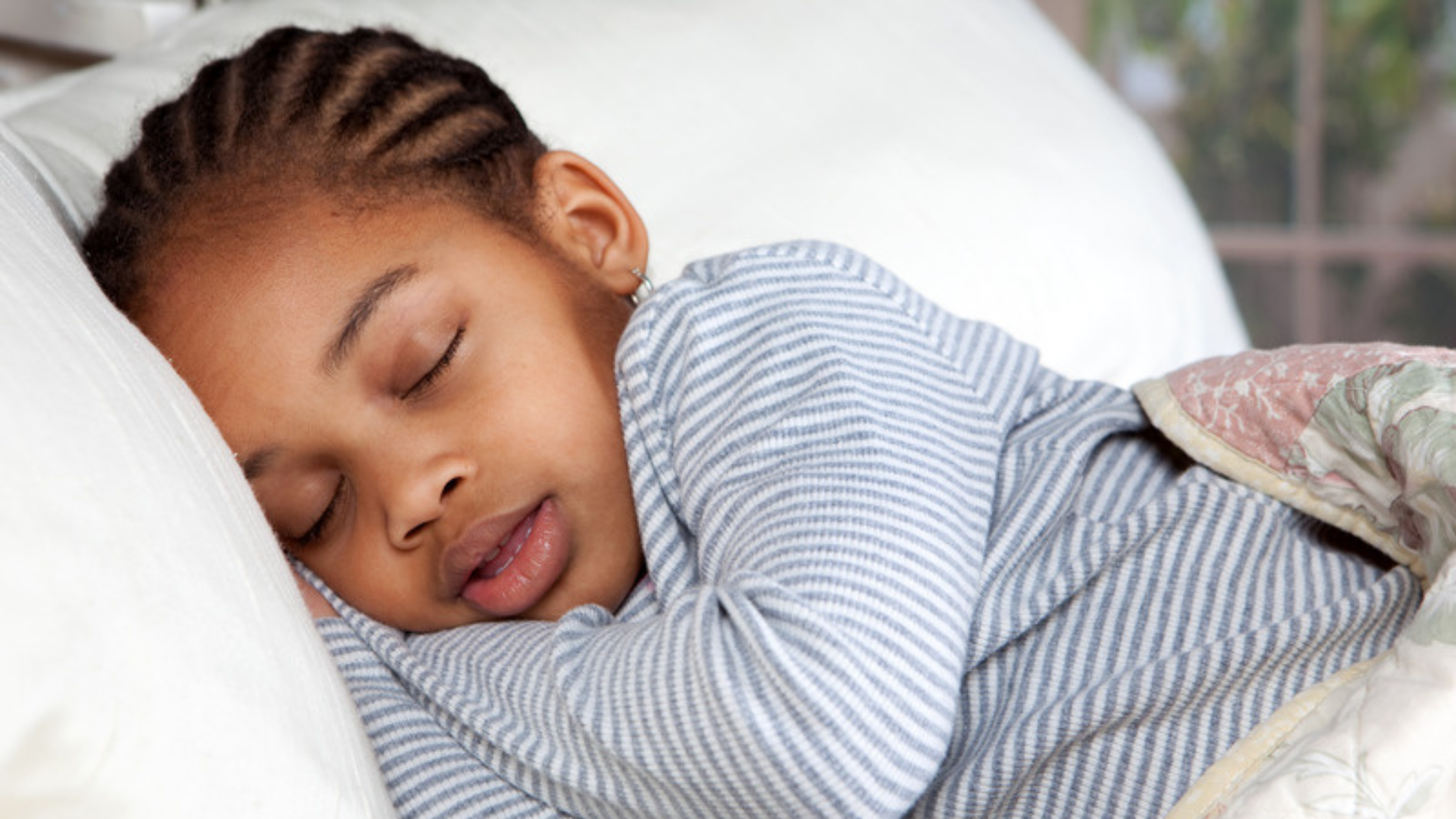
If you've ever wondered why your child seems to need far more sleep than you do, the answer lies in their incredible rate of growth and development. From infancy through adolescence, children's brains and bodies are constantly changing. Sleep provides the time needed for many of these essential processes to occur.
While adults generally require 7 to 9 hours of sleep each night, children and teenagers often need significantly more. Getting enough sleep supports learning, behavior, emotional well-being, immune function, and healthy physical growth.
Understanding why sleep is so important at every stage of childhood can help parents establish healthy habits that last a lifetime.
Why Do Children Need More Sleep?
Children aren't simply "small adults." Their bodies are developing rapidly, requiring more time for repair, growth, and brain development.
During sleep, a child's body is actively:
- Building new neural connections
- Consolidating memories
- Releasing growth hormone
- Strengthening the immune system
- Supporting emotional regulation
- Restoring energy for the next day
These processes occur throughout life but are especially important during childhood and adolescence.
Sleep Supports Brain Development
One of sleep's most important roles is helping the brain develop.
While children sleep, the brain:
- Processes new information learned during the day
- Strengthens important memories
- Removes unnecessary neural connections
- Builds efficient communication pathways between brain cells
This is one reason children often perform better in school when they consistently get enough sleep.
Growth Hormone Is Released During Sleep
Sleep is closely tied to physical growth.
Much of the body's growth hormone is released during deep sleep. This hormone plays an important role in:
- Bone growth
- Muscle development
- Tissue repair
- Healthy metabolism
Although nutrition and genetics are also essential, adequate sleep supports normal growth during childhood.
Sleep Helps Learning and Memory
Every day, children absorb enormous amounts of new information.
Sleep helps organize and store what they've learned by:
- Strengthening memory
- Improving attention
- Enhancing problem-solving skills
- Supporting language development
Children who consistently get enough sleep often find it easier to focus, retain new information, and perform well academically.
Sleep Supports Emotional Health
Sleep doesn't just affect academic performance—it also influences mood and behavior.
Children who are well rested are generally better able to:
- Manage frustration
- Handle disappointment
- Control emotions
- Interact positively with others
On the other hand, insufficient sleep may increase:
- Irritability
- Mood swings
- Anxiety
- Impulsive behavior
Interestingly, younger children who are overtired often become more active rather than sleepy.
Sleep Strengthens the Immune System
During sleep, the immune system produces proteins called cytokines that help the body respond to infections and inflammation.
Children who regularly get enough sleep may:
- Recover more quickly from illness
- Have healthier immune function
- Experience better overall well-being
While sleep cannot prevent every illness, it plays an important role in keeping the immune system functioning properly.
Recommended Sleep by Age
Sleep needs change throughout childhood as growth slows and the brain matures.
General recommendations include:
| Age | Recommended Sleep |
|---|---|
| Newborns (0–3 months) | 14–17 hours |
| Infants (4–12 months) | 12–16 hours (including naps) |
| Toddlers (1–2 years) | 11–14 hours |
| Preschoolers (3–5 years) | 10–13 hours |
| School-age children (6–12 years) | 9–12 hours |
| Teenagers (13–18 years) | 8–10 hours |
These recommendations include total sleep over a 24-hour period, including naps for younger children.
What Happens When Children Don't Get Enough Sleep?
Even a modest amount of sleep deprivation can affect a child's daily functioning.
Children who consistently miss out on sleep may experience:
- Difficulty concentrating
- Poor academic performance
- Hyperactivity
- Behavioral problems
- Increased emotional sensitivity
- Slower reaction times
- Increased risk of sports injuries
Over time, chronic sleep deprivation has also been linked with obesity, high blood pressure, insulin resistance, and poorer mental health.
Why Teenagers Still Need Plenty of Sleep
Many parents assume teenagers need less sleep because they stay up later. In reality, adolescents still require 8 to 10 hours of sleep each night.
During puberty, the body's internal clock naturally shifts later, making teens feel sleepy later in the evening and prefer waking later in the morning.
Early school start times, homework, extracurricular activities, part-time jobs, and screen time often make it difficult for teenagers to get enough sleep.
Signs Your Child May Not Be Getting Enough Sleep
Not every tired child looks sleepy.
Signs of inadequate sleep may include:
- Difficulty waking in the morning
- Falling asleep during car rides
- Irritability
- Hyperactivity
- Trouble paying attention
- Frequent emotional outbursts
- Declining school performance
- Sleeping much later on weekends
If these symptoms occur regularly, it may be worth evaluating your child's sleep habits.
How Parents Can Help Children Sleep Better
Healthy sleep habits begin at home.
Keep a Consistent Bedtime
Going to bed and waking up at the same time every day helps regulate your child's internal clock—even on weekends.
Create a Calming Bedtime Routine
A predictable bedtime routine helps children transition to sleep.
Examples include:
- Taking a warm bath
- Reading a book
- Brushing teeth
- Listening to calming music
- Dimming lights before bed
Limit Screen Time Before Bed
Phones, tablets, televisions, and video games emit blue light that can suppress melatonin production.
Experts recommend limiting screens for at least one hour before bedtime whenever possible.
Encourage Daily Physical Activity
Regular exercise promotes better sleep quality and helps children fall asleep more easily.
Outdoor activity also provides natural sunlight, which supports healthy circadian rhythms.
Create a Comfortable Sleep Environment
Children generally sleep best in a bedroom that is:
- Cool
- Quiet
- Dark
- Comfortable
A consistent sleep environment helps reinforce healthy sleep habits.
When to Talk to a Healthcare Provider
Occasional restless nights are normal, but parents should seek medical advice if their child:
- Snores loudly or has pauses in breathing during sleep
- Has persistent difficulty falling asleep
- Seems excessively sleepy during the day
- Frequently sleepwalks or experiences night terrors
- Has behavioral or learning concerns that may be related to poor sleep
These symptoms may indicate an underlying sleep disorder that deserves evaluation.
The Bottom Line
Children need more sleep than adults because their brains and bodies are growing rapidly. Sleep supports learning, memory, emotional regulation, physical growth, immune health, and overall development.
Although every child is different, consistently getting the recommended amount of sleep is one of the most important investments parents can make in their child's long-term health. Establishing healthy sleep habits early can benefit children well into adulthood.
Is your child getting enough sleep? If bedtime struggles, daytime behavior, or persistent fatigue have you concerned, talk with your pediatrician or a sleep specialist. Identifying sleep problems early can help support your child's health, learning, and development for years to come.
If someone you know is struggling with sleep, please click the orange button below to take a free online sleep test and talk with one of our sleep health professionals.
