
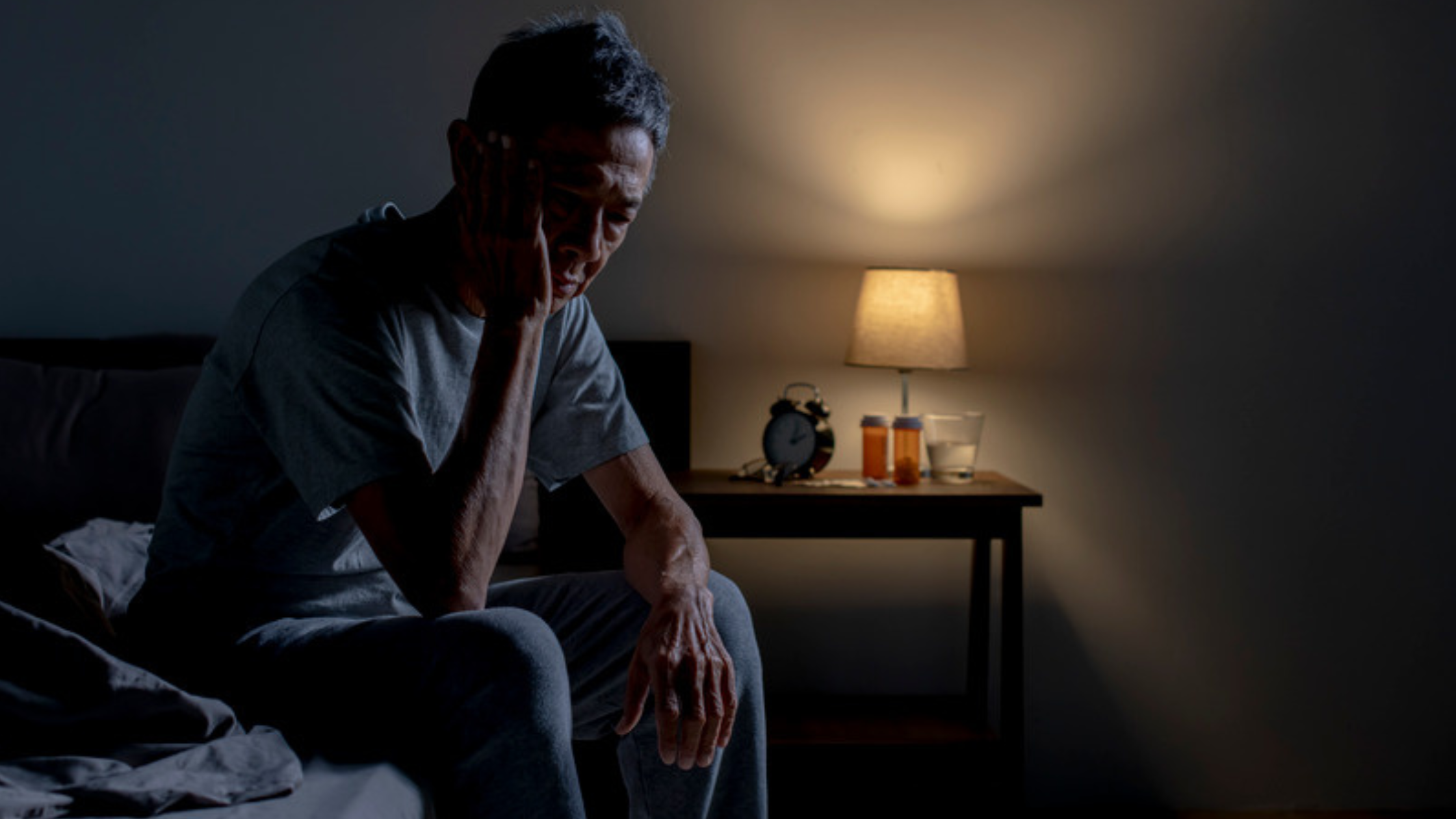
Cognitive behavioral therapy for insomnia (CBT-I) is widely considered one of the most effective treatments for chronic insomnia. Unlike sleep medications that primarily target symptoms, CBT-I focuses on changing the thoughts, behaviors, and habits that contribute to ongoing sleep problems.
For many people, CBT-I leads to significant improvements in sleep quality and daytime functioning. However, some individuals complete CBT-I and continue to struggle with falling asleep, staying asleep, or feeling rested.
If CBT-I has not worked for you, it does not mean that your insomnia cannot improve. It may mean that additional evaluation is needed to understand what is preventing healthy sleep.
Persistent insomnia often has multiple contributing factors, and finding the right combination of treatments may require a more personalized approach.
What Is CBT-I?
CBT-I is a structured therapy designed specifically for people with chronic insomnia.
It typically includes several components:
- Sleep restriction therapy: Limiting time in bed to increase sleep efficiency
- Stimulus control: Rebuilding the connection between the bed and sleep
- Cognitive therapy: Addressing thoughts and worries that interfere with sleep
- Relaxation techniques: Reducing physical and mental arousal
- Sleep education: Understanding sleep biology and healthy sleep habits
CBT-I does not simply provide general sleep tips. It targets the behaviors and thought patterns that maintain insomnia over time.
Why Does CBT-I Sometimes Not Work?
Although CBT-I is effective for many people, insomnia is complex. Several reasons may explain why symptoms persist.
The Diagnosis May Need to Be Reconsidered
Not all sleep problems are caused by primary insomnia.
Sometimes symptoms that appear to be insomnia are caused or worsened by another sleep disorder.
Conditions that may interfere with sleep include:
Obstructive Sleep Apnea
Sleep apnea causes repeated breathing disruptions during sleep, leading to fragmented rest.
Symptoms may include:
- Loud snoring
- Gasping or choking during sleep
- Morning headaches
- Daytime fatigue
- Frequent awakenings
Treating sleep apnea may significantly improve sleep quality when insomnia symptoms are actually related to disrupted breathing.
Restless Legs Syndrome
Restless legs syndrome causes uncomfortable sensations and an urge to move the legs, often worsening at night.
Symptoms may include:
- Creeping or crawling sensations
- Difficulty relaxing at bedtime
- Frequent nighttime movement
- Trouble staying asleep
Addressing iron deficiency or other contributing factors may improve symptoms.
Circadian Rhythm Disorders
Some people struggle with sleep because their internal clock does not align with their desired sleep schedule.
Examples include:
- Delayed sleep-wake phase disorder
- Shift work disorder
- Irregular sleep schedules
In these cases, adjusting circadian timing may be more helpful than traditional insomnia treatment alone.
The CBT-I Approach May Need Adjustment
CBT-I is not always a one-size-fits-all treatment.
Some people may need:
- More sessions
- A different therapist approach
- Additional behavioral strategies
- More gradual sleep schedule adjustments
For example, sleep restriction therapy can be challenging for individuals with certain medical conditions or extremely poor sleep quality and may need modification.
Working with a trained sleep professional can help tailor CBT-I techniques to your specific situation.
Underlying Medical Conditions May Be Affecting Sleep
Medical conditions can contribute to persistent insomnia.
Examples include:
- Chronic pain
- Acid reflux
- Asthma
- Heart disease
- Neurologic disorders
- Hormonal changes
- Menopause symptoms
- Thyroid disorders
If an underlying condition is not addressed, improving sleep habits alone may not be enough.
Mental Health Conditions Can Maintain Insomnia
Sleep and mental health are closely connected.
Conditions such as:
- Anxiety
- Depression
- Post-traumatic stress disorder (PTSD)
- Chronic stress
can increase mental and physical arousal, making it difficult to sleep.
CBT-I can help address sleep-related thoughts and behaviors, but some people may also benefit from treatment specifically targeting their mental health.
Consider Medication Options When Appropriate
While CBT-I is often preferred as a first-line treatment, medication may be considered for some individuals.
A healthcare provider may discuss options such as:
- Short-term sleep medications
- Low-dose medications that improve sleep maintenance
- Medications targeting specific causes of insomnia
Medication decisions should be individualized because risks and benefits vary based on age, health conditions, and other medications.
Older adults, in particular, may require careful medication selection due to increased sensitivity to side effects such as dizziness, confusion, and falls.
Combination Therapy May Be More Effective
For some people, the best approach is not choosing between CBT-I and medication—it is combining treatments.
Examples include:
- CBT-I plus treatment for anxiety
- CBT-I plus treatment for sleep apnea
- CBT-I plus short-term medication support
- CBT-I plus circadian rhythm therapy
Sleep problems often improve when multiple contributing factors are addressed.
Review Your Sleep Environment and Daily Habits
Even after completing CBT-I, lifestyle factors may continue affecting sleep.
Consider whether the following are interfering with your rest:
Caffeine Timing
Caffeine can remain active in the body for many hours and may affect sleep even when consumed earlier in the day.
Alcohol Use
Alcohol may make it easier to fall asleep but can disrupt sleep later in the night.
Exercise Timing
Regular exercise improves sleep, but intense exercise close to bedtime may interfere with sleep for some people.
Stress and Evening Routine
A busy or stressful evening routine can keep the brain in an alert state.
Creating a predictable wind-down routine may help signal that it is time for sleep.
Reevaluate Your Expectations About Sleep
Sometimes insomnia persists because of anxiety about sleep itself.
Common thoughts include:
- "I will not function tomorrow if I don't sleep."
- "I need eight hours exactly."
- "One bad night will ruin everything."
These thoughts can increase stress and make sleep more difficult.
A major goal of CBT-I is learning to reduce fear around sleep and rebuild confidence in your ability to rest.
Consider a Sleep Specialist Evaluation
If CBT-I has not improved your insomnia, a sleep specialist can help identify additional causes.
A comprehensive evaluation may include:
- Detailed sleep history
- Review of medications
- Screening for sleep disorders
- Assessment of circadian patterns
- Sleep testing when appropriate
A personalized treatment plan can address factors that may have been missed.
When Should You Seek Additional Help?
Talk with a healthcare provider if you:
- Have insomnia lasting more than three months
- Feel exhausted despite adequate time in bed
- Have loud snoring or breathing pauses
- Experience severe daytime sleepiness
- Notice significant mood changes
- Rely on alcohol or medications to sleep
Persistent insomnia is treatable, but it may require a broader approach.
The Bottom Line
CBT-I is one of the best-supported treatments for chronic insomnia, but it does not work for everyone on its own. When CBT-I fails, the next step is not giving up—it is identifying what factors may still be interfering with sleep.
Persistent insomnia may require reassessing the diagnosis, treating underlying sleep disorders, addressing medical or mental health conditions, adjusting therapy strategies, or combining multiple treatments.
Better sleep often requires understanding the full picture. With the right evaluation and treatment plan, many people who continue struggling after CBT-I can still achieve meaningful improvements in their sleep.
If you have completed CBT-I and continue experiencing insomnia, consider speaking with a sleep medicine specialist. A comprehensive evaluation can help identify barriers to better sleep and guide the next steps toward lasting improvement.
If someone you know is struggling with sleep, please click the orange button below to take a free online sleep test and talk with one of our sleep health professionals.
