
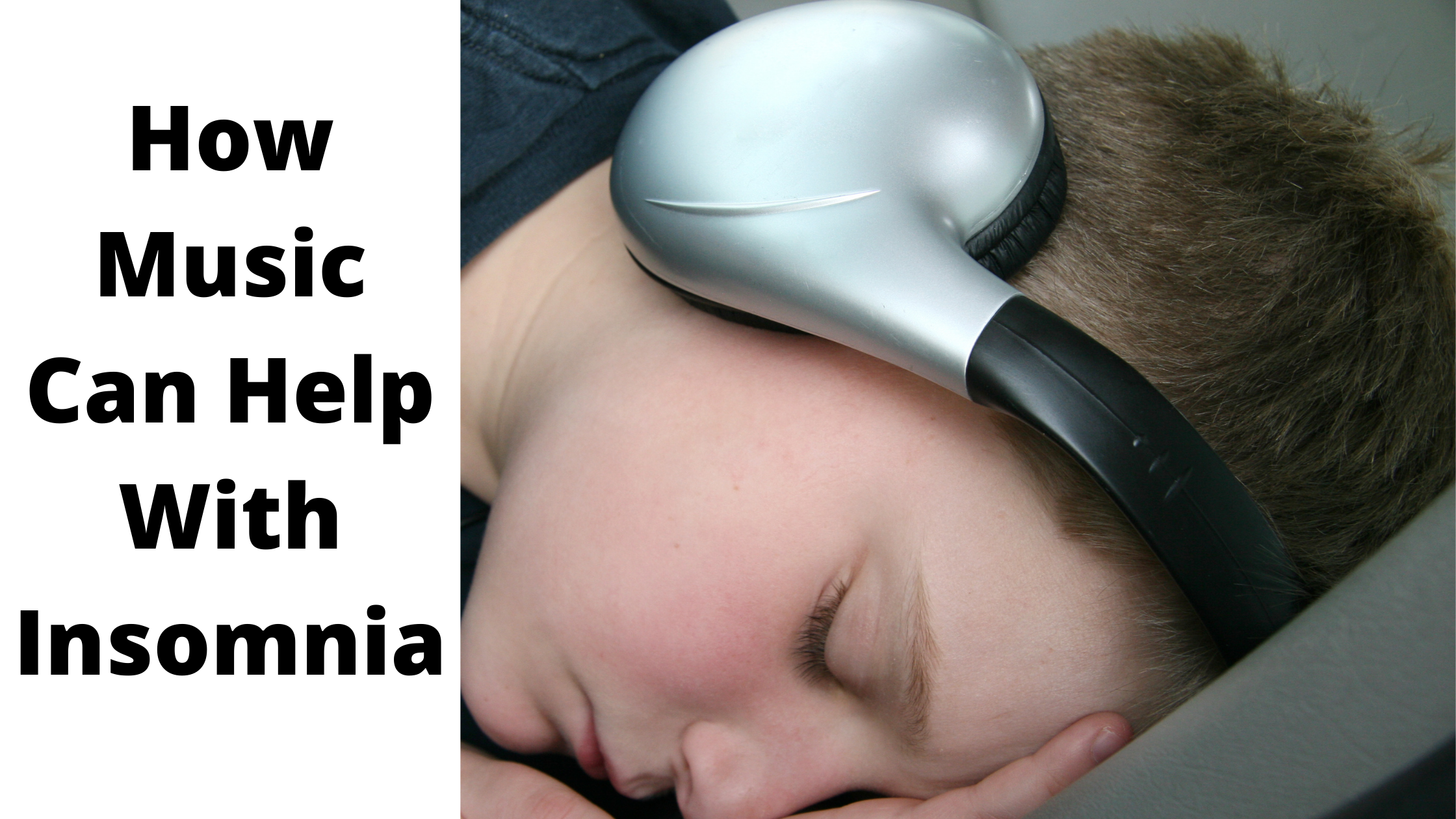
When we discuss an optimal sleep environment, there are three traits that are frequently mentioned: a dark room, a quiet area, and cool temperatures. However, music may actually help some people go to sleep, especially those who have sleep issues that they would like to address without using sleep aids. Music therapists are an emerging group of professionals who are using music to help those who struggle with anxiety and other mental health disorders that can stop people from getting the sleep that they need. Here is some more information on how music can help with sleep.
Who are music therapists?
Music therapists are trained professionals with degrees and training in psychology, medicine, and music, and work as independent clinicians alongside physicians, psychiatrists, social workers, and behavioral health specialists, to name a few.
Music therapy can help those with dementia, improve communication in children with autism, and reduce pain in hospitalized patients. Music therapists can also help those with sleep difficulties.
Music therapists will work to create healthy sleep habits, like avoiding food a couple of hours before bed, and making sure the sleep environment is optimal for a good night's rest.
Other sessions will create playlists or music regimens that are individualized and address some potential barriers to sleep - like anxiety, depression, or any other mental health disorder. Therapists will find music that is soothing and induces relaxation in each patient. They will then work with each patient to find the right mix of music, time spent listening to music, and any other part of the regimen that could help with sleep.
There are a little under 10,000 board-certified music therapists in the US. They charge about $77 an hour, and group sessions are closer to $90 an hour. It could be reimbursed through Medicare or Medicaid depending on what state you live in. Some private insurance companies will also cover the service when it is determined to be necessary for medical or behavioral challenges.
How does music help?
Listening to music during the day can help people feel good and distract them from the things that may be causing stress and anxiety. Therefore, these same effects translate to the nighttime.
It's important, before bed, to be relaxed and start to wind down from the stressors of the day. You can do this with healthy sleep habits like taking a bath, journaling, reading, spending time with loved ones, anything that lowers your heart rate and makes you feel at ease.
For some people, music does just that. Soothing tones can help to reduce the heart rate and transport individuals mentally to a place of tranquility.
Another important component of music is that most of them have a beat of 60-80 beats per minute. This is very close to the resting heart rate of a normal person, an optimal rate for a good night of sleep. By listening to music at this pace, individuals can sync up their rhythms and slow their heart rate before bed.
A study in 2012 found that adults with chronic insomnia who turned on soothing music 45 minutes before bed over four days had overall improved rest, shortened stage two sleep, and prolonged REM sleep compared to those who didn't listen to music. REM, or rapid eye movement, sleep is associated with dreaming and deep slumber, which is very important for cognitive function, memory, emotional processing, and learning.
Music can also lower the stress hormone cortisol and release pleasure and satisfaction neurotransmitters like dopamine to turn off your fight-or-flight nervous system and turn on your rest-and-digest nervous system.
Finally, music can be a distraction from outside noises, like traffic, neighbors, and anything else that can be a distraction.
Important considerations when using music as a sleep aid
While listening to music has been linked to some great benefits, there are a few things to consider if you are going to try music out as a sleep aid.
The first thing is the genre. It's important that whatever music you listen to be relaxing, calming, and non-stimulating. If the goal is to go to sleep, then you don't want your brain working and trying to figure out what is going on. Any genre that makes you feel calm is great, but it would be better if it were slow-paced, without lyrics, and had a lower pitch.
You also will want to avoid headphones while you sleep. They could cause hearing damage or headaches. Also, you may miss out on important noises like alarms, safety monitors, and children or babies. It is ideal to listen to the music out loud on a speaker at a lower volume with a timer set so it doesn't play all night. If you have a partner that doesn't want to listen to music, then you may have to work out a deal with them.
What if music isn't for you?
Music may not be the best sleep inducer for you, and that's okay. Try it out for a couple of weeks and see if it makes a difference in your ability to go to sleep. Using a new tool or adding something to your schedule can take some adjustment, so the more you listen to the same playlist, the more your brain can associate it with time to go to bed.
However, if you tried it out for several nights and it's keeping you from going to sleep, then it may not be a good fit for you. About 61% of respondents from a BuzzFeed Twitter poll said they can't listen to music at night. Music can be beneficial, but it can also be distracting.
Continue working on your sleep hygiene, creating good habits, and establishing a good sleep environment.
If none of these are working, and you think there may be an underlying issue, then please click the orange button below and talk to a sleep health professional today.

https://www.buzzfeednews.com/article/katiecamero/how-to-use-music-better-sleep