
Why Youth Caffeine Consumption Is Rising
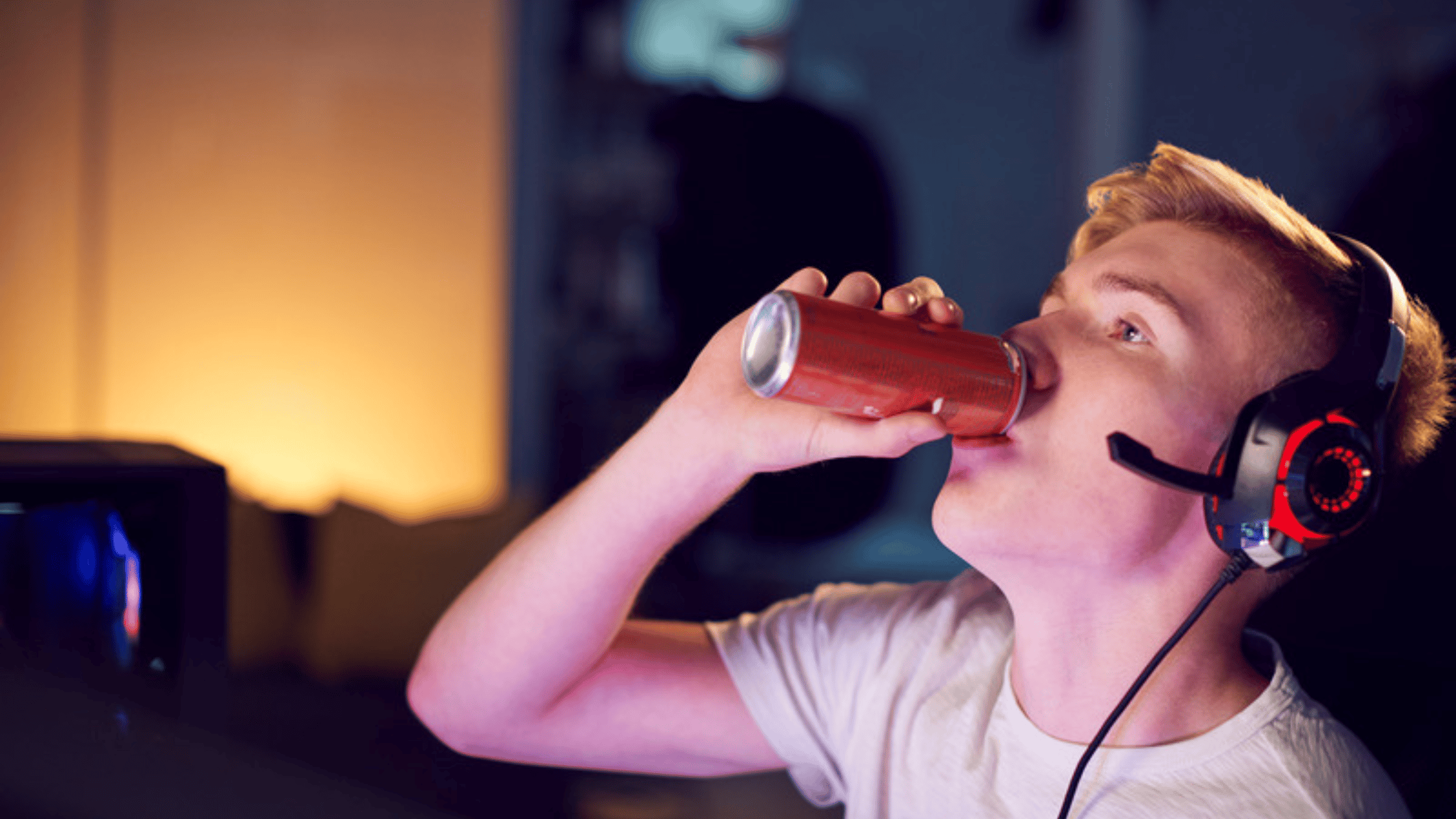
Caffeine use among children and teenagers has increased dramatically over the past decade. Energy drinks, specialty coffees, sodas, pre-workout supplements, and highly caffeinated beverages are now widely available and heavily marketed to younger audiences.
While moderate caffeine intake may seem harmless, excessive consumption during childhood and adolescence can have significant effects on developing brains and bodies.
Why Young People Are More Sensitive to Caffeine
Children and teens are generally more sensitive to caffeine than adults because of:
- Lower body size and weight
- Developing nervous systems
- Increased vulnerability to sleep disruption
- Less tolerance to stimulants
Even doses that seem moderate for adults can cause pronounced effects in younger individuals.
How Excessive Caffeine Affects Sleep
Disrupted Circadian Rhythm
Caffeine blocks adenosine, the chemical responsible for building sleep pressure throughout the day. In teens—who already experience natural circadian shifts during puberty—this can significantly delay sleep onset.
The result is often:
- Difficulty falling asleep
- Reduced sleep duration
- Poor sleep quality
Chronic Sleep Deprivation
Many teens already get insufficient sleep due to early school schedules and screen use. Excessive caffeine can worsen this cycle:
- Poor sleep leads to daytime fatigue
- Fatigue increases caffeine use
- Increased caffeine further disrupts sleep
Over time, this creates chronic sleep deprivation.
Mental Health Effects of Excessive Caffeine
Increased Anxiety and Nervousness
High caffeine intake can overstimulate the nervous system, leading to:
- Jitters
- Restlessness
- Racing thoughts
- Panic-like symptoms
Young people with underlying anxiety may be especially vulnerable.
Mood Changes and Irritability
Large amounts of caffeine can contribute to emotional instability, especially when combined with poor sleep.
Teens may experience:
- Irritability
- Mood swings
- Difficulty regulating emotions
- Increased stress sensitivity
Dependence and Withdrawal
Regular high caffeine intake can lead to dependence. When caffeine is reduced suddenly, withdrawal symptoms may include:
- Headaches
- Fatigue
- Difficulty concentrating
- Low mood
Cardiovascular Risks
Elevated Heart Rate and Blood Pressure
Caffeine stimulates the cardiovascular system and can temporarily increase:
- Heart rate
- Blood pressure
- Palpitations
In extreme cases, excessive intake—especially from energy drinks—has been linked to dangerous heart rhythm disturbances.
Risks of Energy Drinks
Energy drinks are particularly concerning because they often contain:
- Extremely high caffeine levels
- Large amounts of sugar
- Additional stimulants
These combinations may amplify cardiovascular strain in youth.
Effects on Academic Performance
Although many teens use caffeine to stay awake for studying, excessive intake can actually impair performance by causing:
- Reduced concentration
- Increased distractibility
- Poor memory consolidation due to sleep loss
- Mental fatigue and burnout
Sleep deprivation ultimately undermines learning and cognitive function.
Physical Health Consequences
Headaches and Dehydration
High caffeine intake can contribute to frequent headaches and mild dehydration, especially when paired with inadequate water intake.
Gastrointestinal Symptoms
Excessive caffeine may cause:
- Stomach discomfort
- Nausea
- Acid reflux
Youth may be more sensitive to these effects than adults.
Warning Signs of Excessive Caffeine Intake in Teens
Parents and caregivers should watch for:
- Difficulty sleeping
- Constant fatigue despite caffeine use
- Anxiety or jitteriness
- Frequent headaches
- Rapid heartbeat
- Heavy reliance on energy drinks or coffee
How Much Caffeine Is Too Much?
Health organizations generally recommend that children avoid caffeine entirely or consume very limited amounts. Teens should also keep intake relatively low compared to adults.
The problem is that many popular energy drinks exceed recommended amounts in a single serving.
Healthier Alternatives to Excessive Caffeine
Prioritize Sleep
The most effective “energy boost” for teens is adequate sleep—not more stimulants.
Encourage Natural Energy Habits
Healthy alternatives include:
- Regular physical activity
- Hydration
- Balanced meals
- Morning sunlight exposure
- Consistent sleep schedules
Reduce Gradually
If caffeine intake is already high, cutting back gradually can help minimize withdrawal symptoms.
The Bottom Line
Extreme caffeine consumption in youth can negatively affect sleep, mental health, cardiovascular function, and overall development. While caffeine may seem like a quick fix for fatigue, it often worsens the underlying problem—especially when poor sleep is involved.
Helping teens build healthy sleep and energy habits early can support long-term physical and mental well-being.
Take a look at how much caffeine is in the drinks your teen consumes each day. Small reductions—especially in the afternoon and evening—can lead to major improvements in sleep, mood, and energy.
If you or someone you know struggles with sleep, please click the orange button below to take a free online sleep test and talk with one of our sleep health professionals.
