ANCSLEEP BLOG

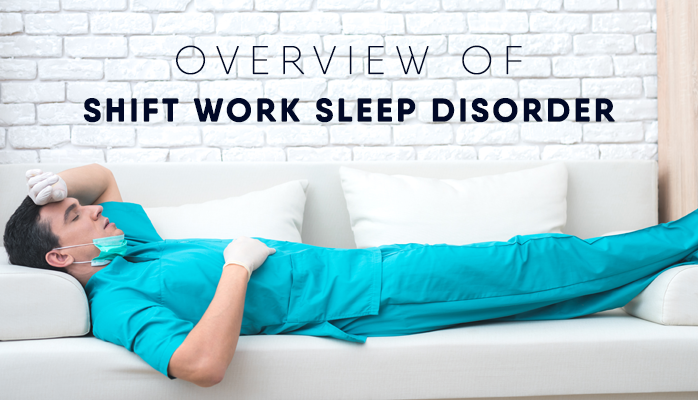
Shift Work Sleep Disorder – What It Is and What to Do?

Posted by Tyler Britton on May 17, 2019 8:18:10 AM

What is Shift Work

Someone who is a shift worker doesn't work typical hours and days. This means either working non-typical hours (8ish-5ish), working rotation work (changing shifts), or working many days on followed by many days off. Especially in Alaska, summer time means a large number of seasonal shift-work jobs.

Shift workers include:

  • Pilots
  • Construction workers
  • Police workers
  • Doctors and nurses
  • Firefighters
  • Taxi/Lyft/Uber drivers
  • Customer service
  • Retail

Shift work can be beneficial for several reasons: higher pay for less desirable shifts, flexibility with scheduling, and longer periods without work. However, shift work can also make it more challenging for these individuals to have normal sleep schedules. Please continue reading to learn more about what shift work sleep disorder is, and how to overcome it as a shift worker.

Read More
Topics: Shift work

Sleeping Pills and Obstructive Sleep Apnea

Posted by Tyler Britton on May 16, 2019 8:15:49 AM

What Exactly is a Sleeping Pill

Sleeping pills are known as sedative hypnotics. They relax the mind and body in order to help one go to sleep. Those who struggle with getting a good night's sleep will often take them. Examples of sleeping medications include:

  • Prescription medication, like ambien, Klonopin, etc.
  • Over-the-counter aids like Benadryl, Tylenol-PM, and Advil-PM
  • Antihistamines and antidepressants

For those with insomnia, sleeping aids can feel like a lifeline; almost as if they could never sleep without them. Although they are quite effective, they also come with hidden dangers. Specifically, individuals with untreated sleep apnea SHOULD NOT take sleeping aids. Sleep specialist Dr. Thomas Winkler said, “For my patients with untreated sleep apnea, I tell them [taking sleeping pills] is a bad idea.”

Read More
Topics: Sleep Apnea

How to Break the Sleep Deprivation Cycle

Posted by Tyler Britton on May 10, 2019 8:00:00 AM

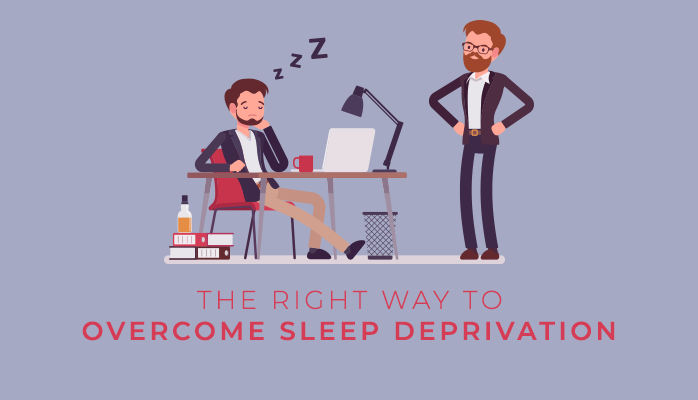
The sleep deprivation cycle is one that many struggle with chronically, essentially consisting of being sleep deprived for days followed by sleep binging, which leads to even more late nights and continued sleep deprivation. It’s a self-perpetuating cycle that commonly occurs during the week with sleep deprivation and "catch up" during the weekend. 

The opposite of the sleep deprivation cycle is consistent, sufficient sleep, as opposed to being deprived of sleep. Sleep deprivation is insidious, and can be result in a lower quality of life, lower expectancy, and decreased performance in every aspect of life. Breaking the cycle is important for overall life quality and health. Continue reading this blog post where we discuss a number of tips to help break this cycle. 

Read More

How to Get Enough Sleep During Summers in Alaska

Posted by Tyler Britton on May 9, 2019 8:00:00 AM

Alaskan summers can make having a sleep schedule feel impossible. And it’s not just the sun/twilight that burns throughout the night. Alaskan summers can make it hard for many reasons, including:

  • Constant sunlight throughout the night
  • Influx of shift work during the summer, such as fishing, construction, etc.
  • Pressure to pack in a full schedule in a short, sunny, summer season
  • Transitioning from Alaskan winters

Light can create a large issue for sleep, especially as the amount of light is dependent on a few factors:

  • How far north you are
  • How sensitive you are to light
  • What existing measures you take to ensure good sleeping habits

Regardless of these changes, getting good sleep is still vital for overall health. In this blog post, we will discuss ways in which you can achieve a good night's sleep during these drastic season changes. 

Read More

5 Ways to Set Good Sleep Schedule

Posted by Tyler Britton on May 8, 2019 8:44:18 AM

Summers and winters in Alaska can both make sleep challenging. The extreme lighting conditions don’t provide the transition from light to dark and dark to light in the morning/evening that prompts us to get tired and wake up. Because of this, setting a good sleep routine can be extremely hard.

If you're unsure about how you are being impacted by the lighting conditions, here are some signs that your sleep schedule, or lack thereof, isn’t working:

  • You never feel completely rested
  • You perform less in many important areas of life (work, relationships, etc.)
  • You chronically feel fatigued
  • You are unable to stay awake throughout the day 
  • You feel a sudden onset of extreme fatigue throughout the day 
  • Your memory begins to fade 
  • You lack focus or concentration 
  • You feel a chronic brain fog
  • Every morning starts with a headache
  • You experience uncontrollable anxiety and depression
  • Overall, your mood is very labile

If these symptoms begin or worsen during Alaskan winters and summers then they may be related to a sleep disorder, such as insomnia and circadian rhythm disorders. Regardless of these extremes, it's still vital to get good rest. Continue reading to learn more about how to function, despite these challenges. 

Read More

Are Sleep Studies Uncomfortable?

Posted by Tyler Britton on May 5, 2019 8:00:00 PM


A sleep study, also called a polysomnogram (PSG), is a non-invasive study conducted at a sleep center or at your home, where sleep specialists monitor your sleeping behavior. Your sleep is monitored via PSG equipment in order to evaluate how you are sleeping, what your brain is doing while you sleep and when it's doing it, and, where applicable, any sleeping disorders you may be dealing with.

Sleep studies provides critical diagnostic information, and are a standard when you or your doctor suspects that a sleep disorder is present in your life.

Read More
Topics: sleep study

7 Steps to Set Bedtime Sleep Routine

Posted by Tyler Britton on May 3, 2019 8:00:00 AM

Having a bedtime routine is key to getting consistent nights of quality sleep. By improve your bedtime routine habits, you may be able to replace sleep medicine, reduce the burden of sleeping disorders, and improve the overall quality of your life. Without a consistent routine, you may be getting insufficient sleep and begin to suffer from the effects of sleep deprivation:

  • Lower quality of life
  • Poor eating/drinking habits (i.e., energy drinks, more coffee, etc.)
  • Decreased performance

Sleep deprivation is often followed by binge sleeping, which feels good but tends to perpetuate the sleep deprivation cycle. Here are seven necessary steps to set a bedtime sleep routine and schedule.

Read More
Topics: Sleep routine

Anti-Anxiety Drugs and Sleep Apnea

Posted by Tyler Britton on May 2, 2019 8:19:47 PM

What Exactly is an Anti-Anxiety Drug

Anti-anxiety drugs are a class of medications called benzodiazepines, which, in addition to treating anxiety, are used to treat muscle spasms. Some examples are:

  • Valium (Diazepam)
  • Xanax (Alprazolam)
  • Ativan (Lorazepam)

One side effect of using anti-anxiety medications is that, like sleeping pills, they relax your muscles. For people who already have untreated obstructive sleep apnea or are at risk for developing it, anti-anxiety can induce or worsen symptoms. Continue reading to learn more about the relationship between anti-anxiety drugs and sleep apnea.

Read More
Topics: Sleep Apnea

Prone to Sleep Apnea – Biggest Risk Factors

Posted by Tyler Britton on Apr 26, 2019 7:00:00 PM

Sleep apnea is a medical condition characterized by repeated interruptions in breathing during sleep, often occurring 40-100+ times per night. These interruptions cause temporary awakenings to resume breathing, which can disrupt the quality of your sleep without you even realizing it in the morning.

There are three types of sleep apnea:

  1. Obstructive sleep apnea (OSA) - a physical obstruction blocks your attempts to breath (back of throat collapses, blocking airway)
  2. Central sleep apnea (CSA) – your brain doesn’t send proper signals to muscles that control breathing
  3. Complex sleep apnea – you have markers of both CSA and OSA

Over time, sleep deprivation caused by sleep apnea lead can to:

  • Shorter life expectancy 
  • Lower quality life
  • Other medical complications

Read More
Topics: Sleep Apnea

What Causes Restless Leg Syndrome (RLS)

Posted by Tyler Britton on Apr 26, 2019 8:00:00 AM

Restless leg syndrome (RLS) is a nervous system disorder that causes uncomfortable feelings in the legs and other extremities throughout the night. These feelings can be described as tingling or itching sensations that can only be relieved by moving the legs. This often keeps the individual awake throughout the night. 

Therefore, the primary consequence of RLS is sleep deprivation. Furthermore, the worse the sleep deprivation, the worse the symptoms, which continues to worsen the sleep deprivation, thus perpetuating a vicious cycle. 

RLS can be difficult to diagnose and may continue for months, undetected or misdiagnosed. The longer one goes without receiving the proper help, the longer they may suffer from not receiving proper help. Continue reading to learn more about what causes RLS and how you can receive the help you need. 

Read More

Subscribe to Email Updates

Recent Posts

Posts by Topic

see all