ANCSLEEP BLOG

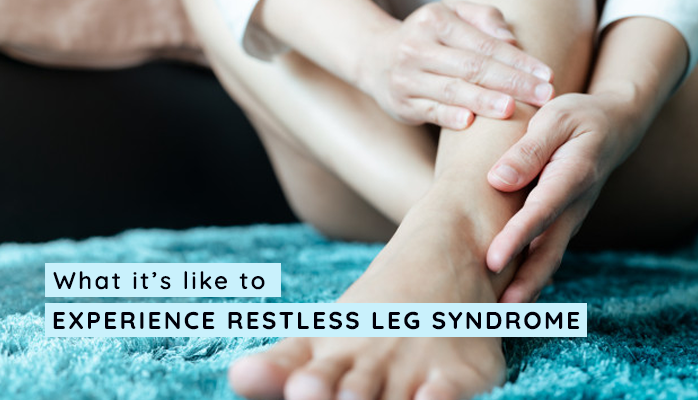
Symptoms of Restless Leg Syndrome (RLS)

Posted by Tyler Britton on Apr 25, 2019 8:07:14 AM

Restless leg syndrome (RLS) is a disorder of the nervous system that can cause uncomfortable sensations in your legs and other extremities during the night. These feelings can be disruptive enough to interfere with sleep, leading to sleep deprivation and further exacerbating symptoms.

One primary risk associated with RLS is the cycle of waking up to alleviate discomfort, which can result in ongoing sleep deprivation. Additionally, there is a risk that mild or intermittent RLS may go unnoticed or be misdiagnosed, potentially leading to chronic sleep deprivation.

Read More

Essential Things You Need to Know Before a Sleep Study

Posted by Tyler Britton on Apr 19, 2019 8:00:00 AM

Sleep studies are important diagnostic tools for common sleep disorders like sleep apnea, insomnia, circadian and rhythm disorders. Sleep studies have proven to be particularly important in Alaska where the extreme darkness and lightness tend to either cause or worsen sleep disorders.

Sleep studies are non-invasive and painless. They monitor:

  • Brainwave activity
  • Eye movement
  • Muscle movement
  • Heart activity
  • Breathing
  • Blood oxygen level

In a sleep study, you will stay overnight at our facility and have various aspects of your sleep measured. The results will help diagnose a condition or provide more insight on other sleep concerns. Continue reading for essential things to know before a sleep study. 

Read More
Topics: sleep study

What is Central Sleep Apnea (Complete Overview)

Posted by Tyler Britton on Apr 18, 2019 10:29:10 AM

Central sleep apnea (CSA) is a conditions in which you repeatedly stop breathing throughout the night because your brain periodically stops sending messages to your brain to breathe. In order to begin breathing again, your body temporarily wakes up. This cycle is called an apnea or apnea event. Due to CSA, you may have anywhere from 40 to 100+ apnea events per night. The most common scale used to measure the severity of sleep apnea is number of apneas per hour:

  • Mild sleep apnea: 5-14 apneas per hour of sleep
  • Moderate sleep apnea: 15-30 apneas per hour of sleep
  • Severe apnea: 30+ apneas per hour of sleep

Both mild and severe CSA can lead to a high degree of sleep deprivation and associated consequences. CSA is relatively uncommon compared to the other apnea sleep condition, obstructive sleep apnea (OSA).

Read More
Topics: Sleep Apnea

Most Common Causes of Chronic Fatigue

Posted by Tyler Britton on Apr 17, 2019 8:53:17 AM

Chronic fatigue can significantly affect the quality of life. Small chores become a big deal. It’s hard to function at work or school. You lose the drive to spend time with friends and loved ones. In other words, chronic fatigue makes you feel like less of yourself.

Fortunately, there are usually identifiable causes for chronic fatigue. They tend to be either:

  • Sleep conditions
  • Medical conditions
  • Lifestyle/emotion conditions

In this blog post, we will explore all of the various reasons that may be causing your fatigue. There may be a single identifiable reason, or a combination of factors for you to address.

Read More
Topics: Chronic fatigue

Sleep Tips for Alaskan Summers

Posted by Tyler Britton on Apr 12, 2019 8:00:00 AM

The extreme lighting conditions in Alaskan summers can make it very challenging to keep a regular sleep schedule for a number of reasons, including: 

  • Sunlight or light all night long
  • Doing shift work during summer (fishing, construction, etc.)
  • Pressure to be packing in full schedule in short summer season
  • Transitioning from Alaskan winters
  • Pressure to be soaking up as much sunlight as possible

How much you struggle with the light depends on:

  • How far north you are
  • How sensitive you are to light
  • What existing measures you take to ensure good sleeping habits

The primary concern here is the development or worsening of insomnia and circadian rhythm disorders, because our circadian rhythm (sleep/wake cycle, biological clock) is managed by melatonin, which in turn responds to light, dark, and changes in light and darkness.

During transition from light to dark, we produce melatonin (makes us go to sleep), and during transitions from dark to light we repress melatonin (makes us wake up). Without these transitions in Alaska, it can be much harder for our body to have the clues needed to produce melatonin at night and get to sleep.

Read More

Do You Have Restless Leg Syndrome? Symptoms, Causes, Risks

Posted by Tyler Britton on Apr 11, 2019 4:01:00 PM

\

Restless leg syndrome (RLS) is a neurological condition that triggers unpleasant sensations in the legs, prompting the urge to move them. The discomfort associated with RLS often disrupts sleep, leading to sleep deprivation and categorizing it as a sleep disorder.

Read More

Socially Unacceptable Snoring: The Real Reason You Should Care

Posted by Tyler Britton on Apr 11, 2019 8:37:13 AM

Socially unacceptable snoring is a term for very loud snoring that is often so disruptive, you end up being the butt of your family's jokes. Socially unacceptable snoring is not only disruptive to the whole household, but my indicate a more serious underlying disorder. If your loud snoring requires your bed partners to wear earphones, happens consistently every night, and can be heard throughout the house, then it's not just a "quirky trait".

While socially unacceptable snoring may lead to humor or frustration among friends and family, it is crucial to recognize that it could signify a more significant issue for the snorer. It is not just an inconvenience for the bed partner; it is often a primary symptom of obstructive sleep apnea (OSA), a serious sleep disorder with potential health implications.

Understanding the distinctions between socially unacceptable snoring and potential OSA-related snoring is vital. Identifying the underlying cause of chronic snoring is the initial step towards addressing any health concerns.

Read More
Topics: Sleep Apnea, Snoring

Ways to Prevent Snoring

Posted by Tyler Britton on Apr 5, 2019 8:00:00 AM

Snoring has many causes, including: 

  • Obstructive sleep apnea (OSA)
  • Deviated septum
  • Allergies (congestion)
  • Improper head elevation
  • Alcohol or other sedative drugs/medications
  • Smoking
  • Obesity
  • Tumors/cysts
  • Genetics (snoring is hereditary)

Of the causes on this list, obstructive sleep apnea is the most common and most dangerous if untreated. Long-term consequences include: 

  • Lower life expectancy
  • Lower quality of life in nearly all areas
  • Lower performance in nearly all areas of life
  • Increased risk of many heart-related diseases

Continue reading to learn more about effective ways to prevent snoring. 

Read More
Topics: Snoring

Establish a Sleep Routine in 4 Steps

Posted by Tyler Britton on Apr 4, 2019 8:00:00 AM

According to a 2016 CDC press release, 1 in 3 American adults don't get enough sleep. The American Academy of Sleep Medicine and the Sleep Research Society recommends that adults aged 18-60 get at least 7 or more hours of shut-eye per night. However, with more than a third of Americans getting less than the recommended 7 hours, our nation is sorely lacking in quality slumber.

In response to this finding, Wayne Giles, M.D. and director of the CDC's Division of Population Health, remarked, "Lifestyle changes such as going to bed at the same time each night, rising at the same time each morning, and turning off or removing televisions, computers, mobile devices from the bedroom, can help people get the healthy sleep they need."

Giles' suggestions inspired us to share 4 steps towards achieving better sleep at night by establishing a sleep routine. With so many Americans struggling to get consistent, healthy sleep, we hope that these tips will act as motivators to create wholesome lifestyle habits that will set the stage for better and longer nights of quality rest.

Read More
Topics: Sleep routine

Treating Restless Leg Syndrome

Posted by Tyler Britton on Apr 3, 2019 8:00:00 AM

Restless leg syndrome (RLS) is a nervous system disorder that causes discomfort in the legs and other extremities throughout the night, and may affect up to 10% of the U.S. population [WebMD]. This discomfort is described as tingling sensations throughout the extremities that are severe enough to interfere with sleep.

This leads to the primary consequence of RLS, sleep deprivation. The discomfort in the legs is only relieved by moving them, which continues to awaken the person suffering from RLS. The worse the sleep deprivation, the worse the RLS symptoms; a vicious cycle that continues and negatively impacts the sleeper. 

There are varying severities of RLS which affect the severity of sleep deprivation. Those with mild to moderate symptoms may go undiagnosed for prolonged periods of time and experience mildly disruptive symptoms. However, those with moderate to severe symptoms may suffer from extreme sleep deprivation and have their condition diagnosed much quicker. 

Read More

Subscribe to Email Updates

Recent Posts

Posts by Topic

see all