ANCSLEEP BLOG

Establish a Sleep Routine in 4 Steps

Posted by Tyler Britton on Apr 4, 2019 8:00:00 AM

According to a 2016 CDC press release, 1 in 3 American adults don't get enough sleep. The American Academy of Sleep Medicine and the Sleep Research Society recommends that adults aged 18-60 get at least 7 or more hours of shut-eye per night. However, with more than a third of Americans getting less than the recommended 7 hours, our nation is sorely lacking in quality slumber.

In response to this finding, Wayne Giles, M.D. and director of the CDC's Division of Population Health, remarked, "Lifestyle changes such as going to bed at the same time each night, rising at the same time each morning, and turning off or removing televisions, computers, mobile devices from the bedroom, can help people get the healthy sleep they need."

Giles' suggestions inspired us to share 4 steps towards achieving better sleep at night by establishing a sleep routine. With so many Americans struggling to get consistent, healthy sleep, we hope that these tips will act as motivators to create wholesome lifestyle habits that will set the stage for better and longer nights of quality rest.

Read More
Topics: Sleep routine

Treating Restless Leg Syndrome

Posted by Tyler Britton on Apr 3, 2019 8:00:00 AM

Restless leg syndrome (RLS) is a nervous system disorder that causes discomfort in the legs and other extremities throughout the night, and may affect up to 10% of the U.S. population [WebMD]. This discomfort is described as tingling sensations throughout the extremities that are severe enough to interfere with sleep.

This leads to the primary consequence of RLS, sleep deprivation. The discomfort in the legs is only relieved by moving them, which continues to awaken the person suffering from RLS. The worse the sleep deprivation, the worse the RLS symptoms; a vicious cycle that continues and negatively impacts the sleeper. 

There are varying severities of RLS which affect the severity of sleep deprivation. Those with mild to moderate symptoms may go undiagnosed for prolonged periods of time and experience mildly disruptive symptoms. However, those with moderate to severe symptoms may suffer from extreme sleep deprivation and have their condition diagnosed much quicker. 

Read More

How to Get a Sleep Study

Posted by Tyler Britton on Apr 2, 2019 8:08:00 AM

Sleep is vital for our overall wellbeing and health. It affects every area of life; physical, emotional, and mental. Without sleep, these areas are vitally impacted and overall life quality begins to suffer. Therefore, if there is something inhibiting you from sleeping, then it's important to identify and rectify the problem. One diagnostic measure is a sleep study. If you or your doctor suspect that you have an underlying sleep disorder, then you may be referred for one. Some common causes of sleep disruptions are:

  • Sleep apnea
  • Insomnia
  • Parasomnias (circadian rhythm disrupting conditions)
  • Narcolepsy
  • Restless leg syndrome

Sleep studies allow for formal diagnosis of sleep disorders such as these. Fortunately, sleep studies are fairly non-invasive. Some people tend to worry that they won't be able to sleep while doctors are assessing sleep, however, this is rarely an issue and overall comfort is important. Continue reading to learn more about how to get a sleep study. 

Read More
Topics: sleep study

What Makes You at Risk for Obstructive Sleep Apnea?

Posted by Tyler Britton on Apr 1, 2019 8:35:32 AM

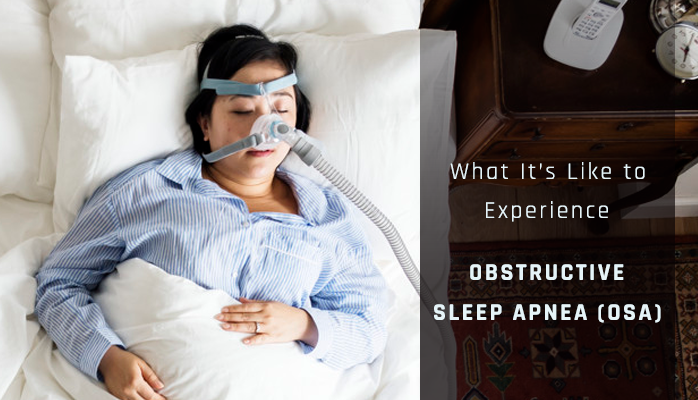
Sleep apnea is a condition characterized by frequent pauses in breathing during the night, ranging from 40-100+ times. These interruptions in breathing cause temporary awakenings to resume breathing, disrupting your sleep without you even realizing in the morning.

There are three types of sleep apnea:

  1. Obstructive sleep apnea (OSA) - An obstruction in your airway hinders your ability to breathe, as the back of your throat collapses and blocks the passage of air.
  2. Central sleep apnea (CSA) – the brain fails to transmit accurate signals to the muscles responsible for regulating breathing.
  3. Complex sleep apnea – you exhibit traits of both OSA and CSA. 

Over time, sleep deprivation caused by sleep apnea can shorten overall life expectancy, lower overall life quality, and initiate or worsen other medical conditions. Therefore, identifying risks for OSA is important for prevention or improvement of OSA symptoms.

Read More
Topics: Sleep Apnea

How to Stop Snoring

Posted by Tyler Britton on Mar 11, 2019 5:15:05 PM

When Snoring Becomes a Problem

Do you notice your partner wearing earplugs to avoid the sound of your nightly snoring? Is your snoring a common joke among family members? These signs indicate that you may have a snoring problem. Why is it a problem? For one, it’s disruptive—not only for you but also for anyone who has to share a room or house with you. Additionally, snoring could be a sign of an underlying condition that can affect your quality of life.

It's important to differentiate between occasional snoring and a snoring problem. Signs of a snoring problem include: 

  • Your partner altering their habits to cope with your nightly snoring
  • Your partner being impacted by your snoring
  • Your reputation as a snorer being well-known
  • Regular snoring on most nights

When snoring becomes a problem, it's worth investigating the potential causes and how to prevent it.

Read More
Topics: Snoring

Foods that Promote Better Sleep

Posted by Tyler Britton on Mar 2, 2019 9:00:00 AM

In a recent survey conducted by Consumer Reports, it was found that up to 68% of Americans experience difficulty falling or staying asleep at least once a week. The prevalence of sleep disturbances can be attributed to various factors such as late work nights and frequent exposure to electronic screens, contributing to a growing number of individuals struggling with insufficient sleep.

While there are several reasons for staying awake beyond the recommended bedtime, prioritizing steps to improve sleep quality bears numerous established health benefits. Adhering to the recommended 7-9 hours of sleep per night for adults has been shown to promote the mending and maintenance of heart and blood vessels, thereby reducing the risk of developing cardiovascular ailments, kidney disease, hypertension, diabetes, and stroke. Furthermore, adequate sleep fosters heightened concentration, productivity, athletic performance, metabolic functionality, immune system efficacy, and overall well-being.

Given the fast-paced and distracting nature of modern society, the question arises as to how one might advance sleep quality. One promising avenue involves the careful selection of dietary choices. By eliminating certain foods and incorporating more sleep-promoting nourishment into one's diet, individuals can nurture their body's innate capacity to attain and sustain restful sleep on a consistent basis.

Read More
Topics: Food and Sleep

How to Adjust Sleep During Alaskan Summer Transition

Posted by Tyler Britton on Mar 1, 2019 7:00:00 AM

Alaska spans over 1,300 miles from north to south, making it a vast state with noticeable variations in summer light transitions. While the southern parts of Alaska experience light transitions that are somewhat uncomfortable but not markedly different from much of the northern part of the contiguous United States, the transition becomes increasingly extreme from Anchorage northward.

The extent to which individuals need to prepare for this transition and its potential impact hinges on three primary factors: their geographical location within the state, their sensitivity to light, and most significantly, the measures they have undertaken to normalize their circadian rhythm during the winter.

Individuals who have diligently pursued any of the following measures may experience a smoother transition:

  • Employing light therapy
  • Maintaining consistent pre-sleep routines
  • Regular physical exercise and adhering to consistent eating and drinking patterns
  • Utilizing vitamin D therapy

See: Ways to keep a normal sleep schedule in Alaskan winters

Read More

Are CPAP Machines Effective?

Posted by Tyler Britton on Feb 28, 2019 7:52:00 AM

What is a CPAP Machine?

CPAP stands for Continuous Positive Airway Pressure. This machine is considered the gold standard treatment of obstructive sleep apnea and ensures that you are breathing continuously throughout the night while you sleep.

A CPAP machine is a small box with a motorized fan inside that is connected to a tube that leads to a breathing mask, that you wear. The fan gently pressurizes the mask and delivers air to your nose and/or mouth (depending on which type of mask you get) as needed. This results in no more lapses of breathing at night.

CPAP machines also have a humidification chamber built in so that you don’t get a dry, scratchy throat/mouth or nasal passage. While a humidification chamber is optional, it’s generally recommended as a lack of humidification can irritate the nasal passage and throat.

Read More
Topics: CPAP

Age and Changes in Sleep: What Normal and What's Not

Posted by Tyler Britton on Feb 27, 2019 10:04:38 PM

How Sleep Changes as We Age

Changes in your sleep patterns are a normal part of aging. In general, people tend to have less satisfactory sleep and more sleep disruptions than when they were younger. Problems can include both falling asleep and staying asleep. As a result, an extremely common misconception about sleep is that we need less sleep as we get older, simply because older individuals are able to function daily with less sleep.

In actuality, the need for sleep remains constant throughout life. If nighttime sleep becomes more challenging, then the remaining sleep needs must be made up during other parts of the day. This may be why the need or desire for naps increases with age. Another sleep-related change may be early rising and early bedtimes, making it more challenging to stay asleep or stay awake as long as you would like.
Read More
Topics: Aging and Sleep

Travel CPAP/BiPAP Device Right for You?

Posted by Tyler Britton on Dec 8, 2018 9:41:24 AM

What is a Travel CPAP Device?

CPAP therapy is the gold standard treatment for obstructive sleep apnea. Without it, millions of people around the world suffer from the negative health effects of this sleeping disorder. This is easy when one is at home, but while traveling, CPAPs can be cumbersome and difficult to pack. However, forgoing it for a few days also increases one's risk of a complication related to CPAP therapy. One option, however, is a travel CPAP.

Travel CPAPs are TSA-friendly, can be FAA approved for in-flight use, are easy to disassemble and reassemble, and are portable so they can fit in a carry on bag. One of the reasons they are more travel-friendly is that they tend to use smaller tubing, have fewer parts, and are battery powered so they don't require power cables.

Travel CPAP machines are made specifically for traveling. They are a bit more expensive than regular CPAP machines and are not made to “replace” your regular CPAP.

Read More
Topics: CPAP

Subscribe to Email Updates

Recent Posts

Posts by Topic

see all