
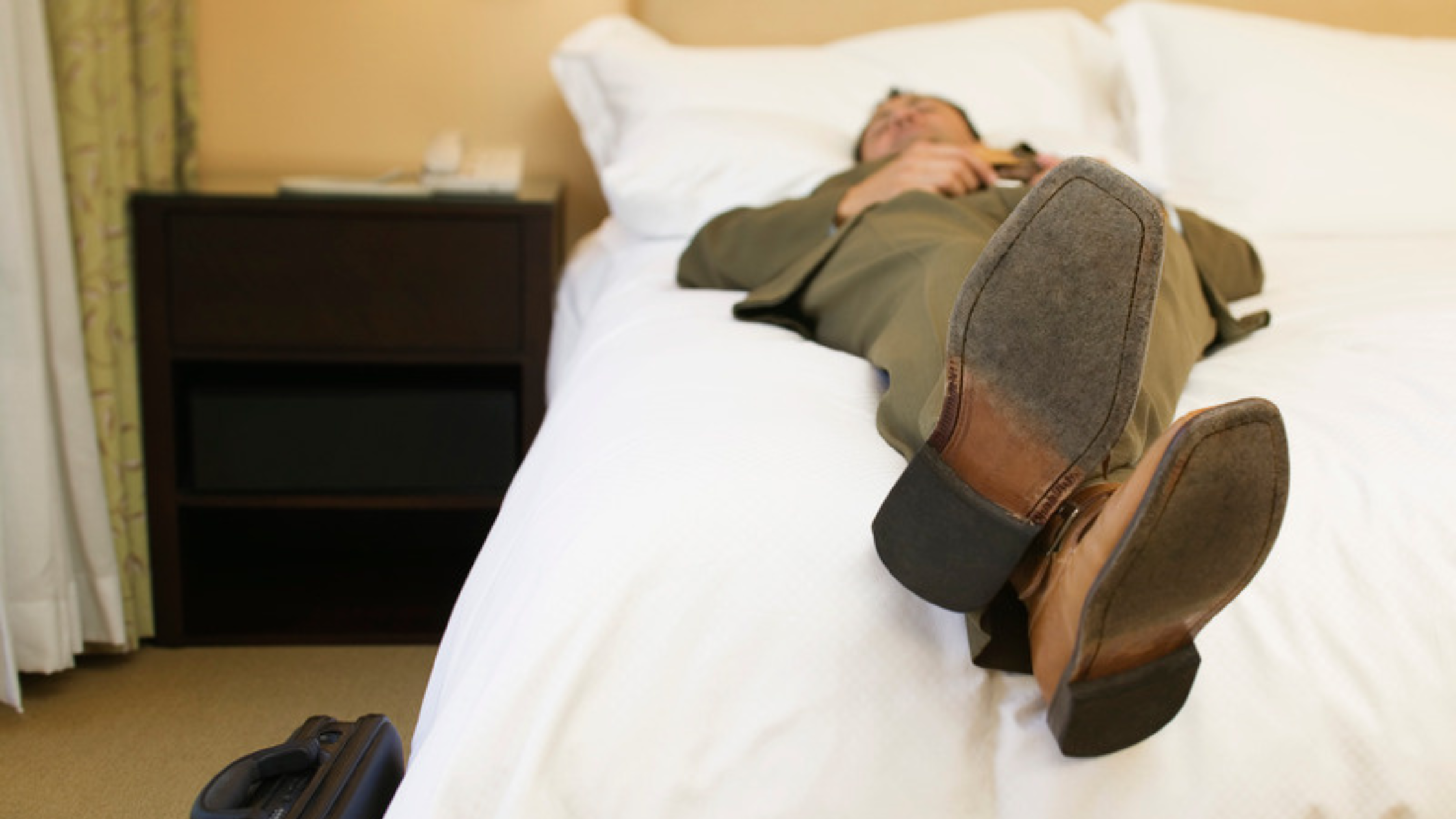
Have you ever checked into a hotel, climbed into bed, and slept better than you have in weeks? If so, you're not alone. While many people experience the "first-night effect" and sleep poorly in unfamiliar places, others find that they enjoy some of their best sleep while traveling.
So, what makes hotel sleep so different?
The answer isn't just the plush mattress or fluffy pillows. Hotels are intentionally designed to promote comfort, relaxation, and uninterrupted rest. Combined with a break from everyday responsibilities, they can create the perfect environment for quality sleep.
Let's take a closer look at why some people sleep better in hotels—and how you can recreate that experience at home.
The Bedroom Is Designed for Sleep
Unlike many bedrooms at home, hotel rooms are designed with one primary purpose: sleep and relaxation.
Most hotel rooms have:
- Minimal clutter
- Comfortable mattresses
- High-quality pillows
- Soft bedding
- Window coverings that block outside light
Without piles of laundry, work papers, or household chores competing for your attention, your brain may find it easier to associate the room with rest.
Fewer Daily Responsibilities
One of the biggest reasons people sleep better in hotels has nothing to do with the bed.
When you're staying in a hotel, you're temporarily removed from many everyday responsibilities, including:
- Household chores
- Cooking
- Cleaning
- Yard work
- Daily commuting
This mental break can reduce stress and make it easier to relax before bedtime.
Lower Stress Levels (For Many Travelers)
Vacations often reduce psychological stress.
When stress decreases:
- Cortisol levels may decline.
- Muscle tension may lessen.
- Racing thoughts become less frequent.
- Falling asleep may become easier.
Of course, not every trip is relaxing. Business travel, family emergencies, or jet lag may have the opposite effect.
Comfortable Mattresses and Pillows
Hotels invest heavily in sleep comfort because guest satisfaction often depends on it.
Many hotels use:
- Medium-firm mattresses that appeal to a wide range of sleepers
- Multiple pillow options
- Crisp, breathable sheets
- Lightweight yet warm comforters
A supportive sleep surface can reduce pressure points and improve overall comfort throughout the night.
Better Light Control
Light has a powerful influence on your circadian rhythm.
Many hotels use blackout curtains or heavy drapes that significantly reduce outside light.
A darker room supports melatonin production, helping your body recognize that it's time for sleep.
At home, outdoor lighting, early morning sunlight, or electronic devices may make your bedroom brighter than you realize.
Cooler Room Temperatures
Many hotels maintain room temperatures within a range that promotes healthy sleep.
Research suggests that a cool sleeping environment generally supports:
- Faster sleep onset
- Fewer awakenings
- Better overall sleep quality
If your bedroom at home is too warm, adjusting the thermostat may improve your sleep.
Less Screen Time Before Bed
While not true for everyone, vacations often encourage people to spend less time answering work emails or thinking about deadlines.
Instead, evenings may involve:
- Reading
- Watching a movie
- Taking a walk
- Relaxing with family
Reducing mentally stimulating activities before bed can make falling asleep easier.
White Noise Can Be Surprisingly Helpful
Many hotel rooms have consistent background sounds from:
- Air conditioning units
- Ventilation systems
- Distant hallway noise
These steady sounds can act as white noise, masking sudden environmental noises that might otherwise wake you during the night.
Some people recreate this effect at home using white noise machines or fans.
A Break From Your Routine Can Be Refreshing
Daily routines can sometimes contribute to poor sleep.
If your evenings at home involve:
- Working late
- Household responsibilities
- Caring for children
- Constant multitasking
your brain may remain in "problem-solving mode" well into bedtime.
A hotel stay often creates a psychological reset that allows you to unwind more easily.
Why Some People Sleep Worse in Hotels
Interestingly, not everyone sleeps better away from home.
Many people experience what's known as the first-night effect, a phenomenon in which part of the brain remains more alert in an unfamiliar environment.
This can lead to:
- Difficulty falling asleep
- More nighttime awakenings
- Lighter sleep during the first night
Fortunately, this effect often improves after one or two nights.
How to Bring the Hotel Experience Home
You don't have to book a vacation to enjoy better sleep. Many hotel sleep habits can be recreated in your own bedroom.
Declutter Your Bedroom
A clean, organized space promotes relaxation and reduces visual distractions.
Try removing:
- Work materials
- Exercise equipment
- Excess electronics
- Laundry piles
The goal is to create a room that feels peaceful rather than productive.
Upgrade Your Bedding
You don't necessarily need an expensive mattress to improve sleep.
Simple upgrades can include:
- Comfortable pillows
- Breathable sheets
- Supportive mattress toppers
- Lightweight blankets that match your preferred sleeping temperature
Make Your Room Dark and Quiet
Consider:
- Blackout curtains
- White noise machines
- Earplugs if needed
- Turning off unnecessary electronics
Reducing light and noise helps create a sleep-friendly environment.
Keep the Temperature Cool
Most sleep experts recommend a cool bedroom for optimal sleep.
Experiment with adjusting your thermostat, using a fan, or choosing breathable bedding to find your ideal sleeping temperature.
Create a Relaxing Bedtime Routine
One reason hotels feel relaxing is that you're less likely to be rushing from task to task.
At home, consider winding down with:
- Reading
- Gentle stretching
- Meditation
- A warm shower
- Soft music
Consistent routines help signal to your brain that it's time to sleep.
The Bottom Line
Some people sleep better in hotels because the environment is intentionally designed for rest. Comfortable bedding, reduced clutter, cooler temperatures, blackout curtains, and a temporary escape from daily responsibilities can all contribute to higher-quality sleep.
While not everyone experiences better sleep away from home, many of the features that make hotel rooms restful can be recreated in your own bedroom. Small changes to your sleep environment and bedtime routine may help you enjoy hotel-quality sleep every night.
If you've optimized your bedroom but still wake up feeling tired, the problem may be more than your mattress or pillows. Persistent snoring, insomnia, or excessive daytime sleepiness could be signs of an underlying sleep disorder. Talk with your healthcare provider or a sleep specialist to determine whether a medical condition is affecting your sleep.
If someone you know is struggling with sleep, please click the orange button below to take a free online sleep test and talk with one of our sleep health professionals.
