
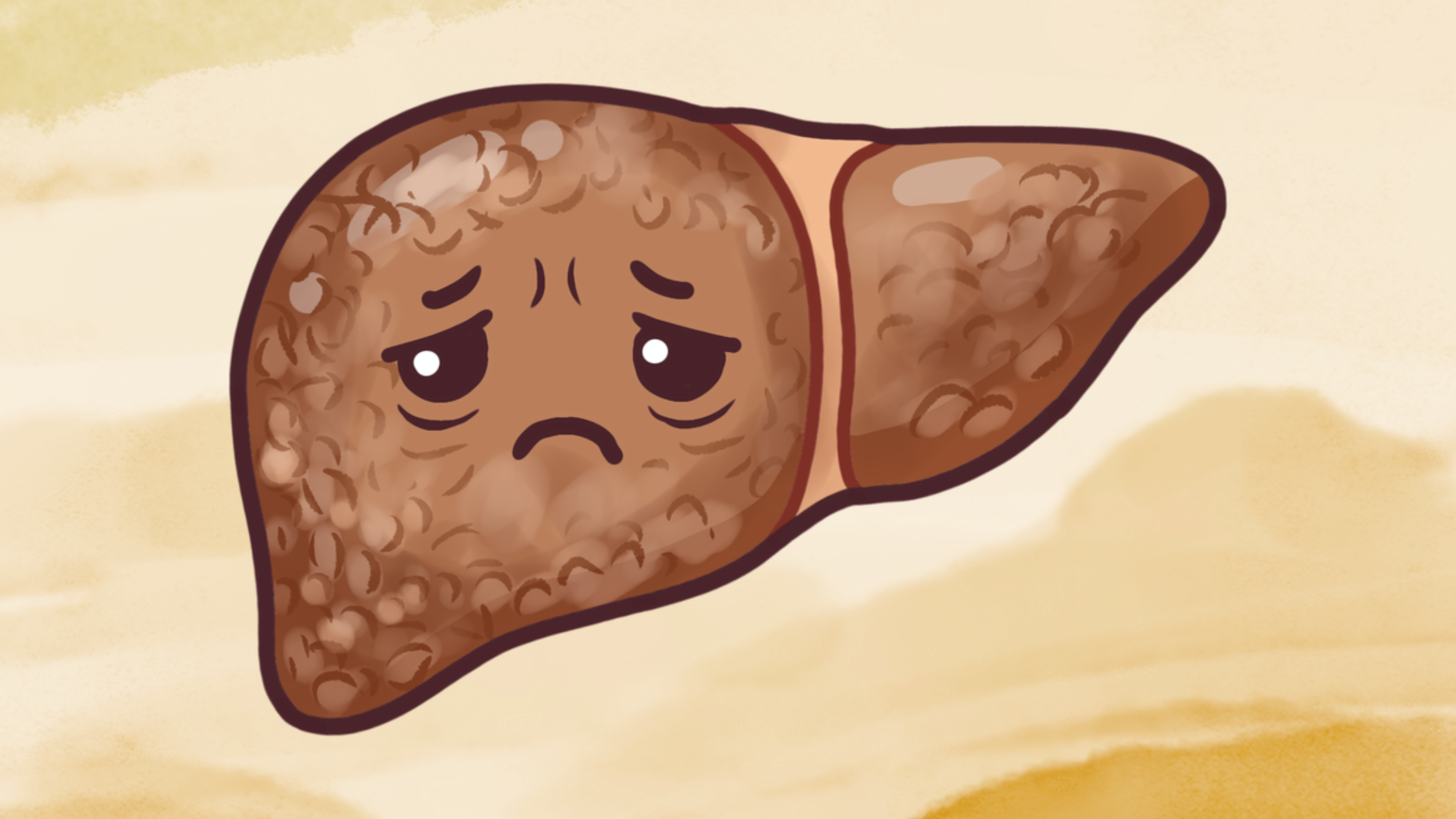
When people think about liver disease, they often focus on symptoms like jaundice, abdominal swelling, or fatigue. However, one of the most common—and often overlooked—complications of chronic liver disease is poor sleep.
Many people living with liver disease experience difficulty falling asleep, frequent nighttime awakenings, excessive daytime sleepiness, or a reversal of their normal sleep schedule. These sleep disturbances can worsen quality of life and make it even harder to cope with the physical and emotional challenges of liver disease.
The good news is that understanding the connection between liver health and sleep can help patients recognize symptoms early and work with their healthcare team to improve both.
Why Does Liver Disease Affect Sleep?
The liver performs hundreds of essential functions, including filtering toxins, producing proteins, storing nutrients, and helping regulate metabolism. When liver function declines, changes occur throughout the body—including the brain and nervous system.
Sleep problems in liver disease often result from a combination of:
- Changes in brain chemistry
- Chronic inflammation
- Hormonal disruptions
- Medication side effects
- Physical symptoms such as itching or abdominal discomfort
- Coexisting sleep disorders
Rather than having a single cause, sleep disturbances are usually multifactorial.
Common Sleep Problems in People With Liver Disease
Insomnia
Difficulty falling asleep or staying asleep is one of the most frequently reported sleep complaints among people with chronic liver disease.
Patients may experience:
- Trouble falling asleep
- Frequent awakenings during the night
- Waking earlier than intended
- Feeling unrefreshed despite spending enough time in bed
Insomnia may be related to discomfort, anxiety, or changes in the body's normal sleep-wake regulation.
Excessive Daytime Sleepiness
Many individuals with liver disease feel unusually sleepy during the day.
They may:
- Fall asleep while watching television
- Need frequent naps
- Struggle to stay alert at work
- Feel mentally foggy
Daytime sleepiness can occur even when someone appears to sleep for an adequate number of hours.
Circadian Rhythm Disruption
The body's internal clock, known as the circadian rhythm, helps regulate when we feel awake and when we feel sleepy.
Advanced liver disease may disrupt this rhythm, causing:
- Sleepiness during the day
- Difficulty sleeping at night
- Irregular sleep schedules
Some patients describe feeling "awake all night and tired all day."
Hepatic Encephalopathy and Sleep
One important complication of advanced liver disease is hepatic encephalopathy, a condition in which toxins that are normally removed by the liver build up and affect brain function.
Early symptoms may include:
- Difficulty concentrating
- Slower thinking
- Personality changes
- Daytime sleepiness
- Reversal of the normal sleep-wake cycle
As hepatic encephalopathy becomes more severe, confusion and other neurological symptoms may develop.
Sleep changes can sometimes be one of the earliest signs that hepatic encephalopathy is developing, making it important to report new or worsening symptoms to a healthcare provider.
Itching Can Make Sleep Difficult
Many liver diseases cause pruritus, or chronic itching.
The itching may become worse at night, making it difficult to:
- Fall asleep
- Stay asleep
- Return to sleep after waking
Persistent itching can significantly reduce sleep quality and contribute to daytime fatigue.
Fortunately, treatments are available that may help reduce itching depending on the underlying liver condition.
Pain and Physical Discomfort
People with liver disease may also experience symptoms that interfere with sleep, including:
- Abdominal discomfort
- Muscle cramps
- Joint pain
- Swelling in the legs
- Ascites (fluid buildup in the abdomen)
These symptoms can make it difficult to find a comfortable sleeping position and may lead to repeated awakenings.
Sleep Apnea and Liver Disease
Research suggests that obstructive sleep apnea (OSA) is more common in people with certain liver conditions, particularly those associated with obesity and metabolic dysfunction, such as metabolic dysfunction-associated steatotic liver disease (MASLD), previously known as nonalcoholic fatty liver disease (NAFLD).
Sleep apnea causes repeated pauses in breathing during sleep and may contribute to:
- Loud snoring
- Morning headaches
- Daytime fatigue
- Poor concentration
Treating sleep apnea may improve sleep quality and overall health.
How Poor Sleep Can Affect Liver Health
The relationship between sleep and liver disease goes both ways.
Chronic sleep deprivation has been associated with:
- Increased inflammation
- Insulin resistance
- Obesity
- Metabolic dysfunction
These factors may contribute to the development or progression of certain liver diseases, particularly MASLD.
While improving sleep cannot cure liver disease, healthy sleep habits may support overall metabolic and cardiovascular health.
Tips for Sleeping Better With Liver Disease
Keep a Consistent Sleep Schedule
Going to bed and waking up at the same time every day helps strengthen your circadian rhythm.
Even on weekends, consistency can improve sleep quality.
Manage Symptoms That Disrupt Sleep
If symptoms such as itching, pain, or muscle cramps are keeping you awake, discuss treatment options with your healthcare provider.
Managing these symptoms often leads to better sleep.
Stay Physically Active if Possible
Regular physical activity can improve:
- Sleep quality
- Energy levels
- Mood
Talk with your healthcare provider about what level of activity is appropriate for your condition.
Limit Alcohol
For individuals with liver disease, avoiding alcohol is often an important part of treatment.
Alcohol can also worsen sleep quality by fragmenting sleep and reducing restorative sleep stages.
Create a Sleep-Friendly Environment
A bedroom that is:
- Cool
- Quiet
- Dark
- Comfortable
can promote deeper, more restorative sleep.
Limiting screen time before bed may also help.
When Should You Talk to a Healthcare Provider?
You should discuss sleep concerns with your healthcare provider if you:
- Have persistent insomnia
- Feel excessively sleepy during the day
- Snore loudly or stop breathing during sleep
- Experience worsening confusion or memory problems
- Notice a reversal of your normal sleep schedule
- Feel that poor sleep is affecting your daily life
These symptoms may indicate an underlying sleep disorder or a complication of liver disease that requires treatment.
The Bottom Line
Sleep problems are common in people with liver disease and may result from changes in brain function, chronic inflammation, physical symptoms, circadian rhythm disruption, or coexisting sleep disorders.
Although sleep disturbances can be frustrating, they are often treatable. Addressing sleep problems can improve quality of life, daytime energy, and overall well-being while living with liver disease.
If you have liver disease and your sleep has changed, don't assume it's simply something you have to live with. A conversation with your healthcare provider may uncover treatable causes and help you get the restorative sleep your body needs.
Are you living with liver disease and struggling with sleep? Talk with your healthcare provider about your symptoms. Whether it's insomnia, excessive daytime sleepiness, or possible sleep apnea, identifying the cause is the first step toward better sleep and better health.
If someone you know is struggling with sleep, please click the orange button below to take a free online sleep test and talk with one of our sleep health professionals.
