
You spend about one-third of your life in bed, yet many people don't think about replacing their mattress until it becomes visibly worn out. While mattresses are built to last for years, they don't last forever. As they age, they gradually lose the support and comfort your body needs for restorative sleep.
An aging mattress won't cause a sleep disorder like insomnia or obstructive sleep apnea, but it can contribute to poor sleep quality, body aches, and frequent nighttime awakenings. If you wake up feeling stiff, sore, or tired despite getting enough hours of sleep, your mattress could be part of the problem.
Here's what you should know about how mattress age affects sleep—and when it may be time to replace yours.
How Long Does a Mattress Last?
The lifespan of a mattress depends on its materials, quality, and how well it has been maintained.
On average:
- Innerspring mattresses typically last 7–10 years.
- Memory foam mattresses often last 8–10 years.
- Latex mattresses may last 10–15 years.
- Hybrid mattresses generally last 7–10 years.
These are general estimates. Factors such as body weight, sleeping position, mattress quality, and daily use can shorten or extend a mattress's lifespan.
How an Old Mattress Can Affect Sleep
As mattresses age, the materials inside them begin to break down. This gradual wear can affect both comfort and sleep quality.
Reduced Support
One of the biggest changes in an aging mattress is the loss of support.
Over time:
- Springs lose tension.
- Foam softens.
- Cushioning compresses.
- The mattress no longer distributes body weight evenly.
Poor support can place additional stress on the spine, shoulders, and hips, making it more difficult to stay comfortable throughout the night.
More Tossing and Turning
When a mattress no longer provides adequate support, your body naturally shifts positions more often in search of comfort.
Frequent movement during sleep may:
- Increase nighttime awakenings
- Reduce deep sleep
- Leave you feeling less rested in the morning
Even if you don't fully remember waking up, these brief interruptions can affect sleep quality.
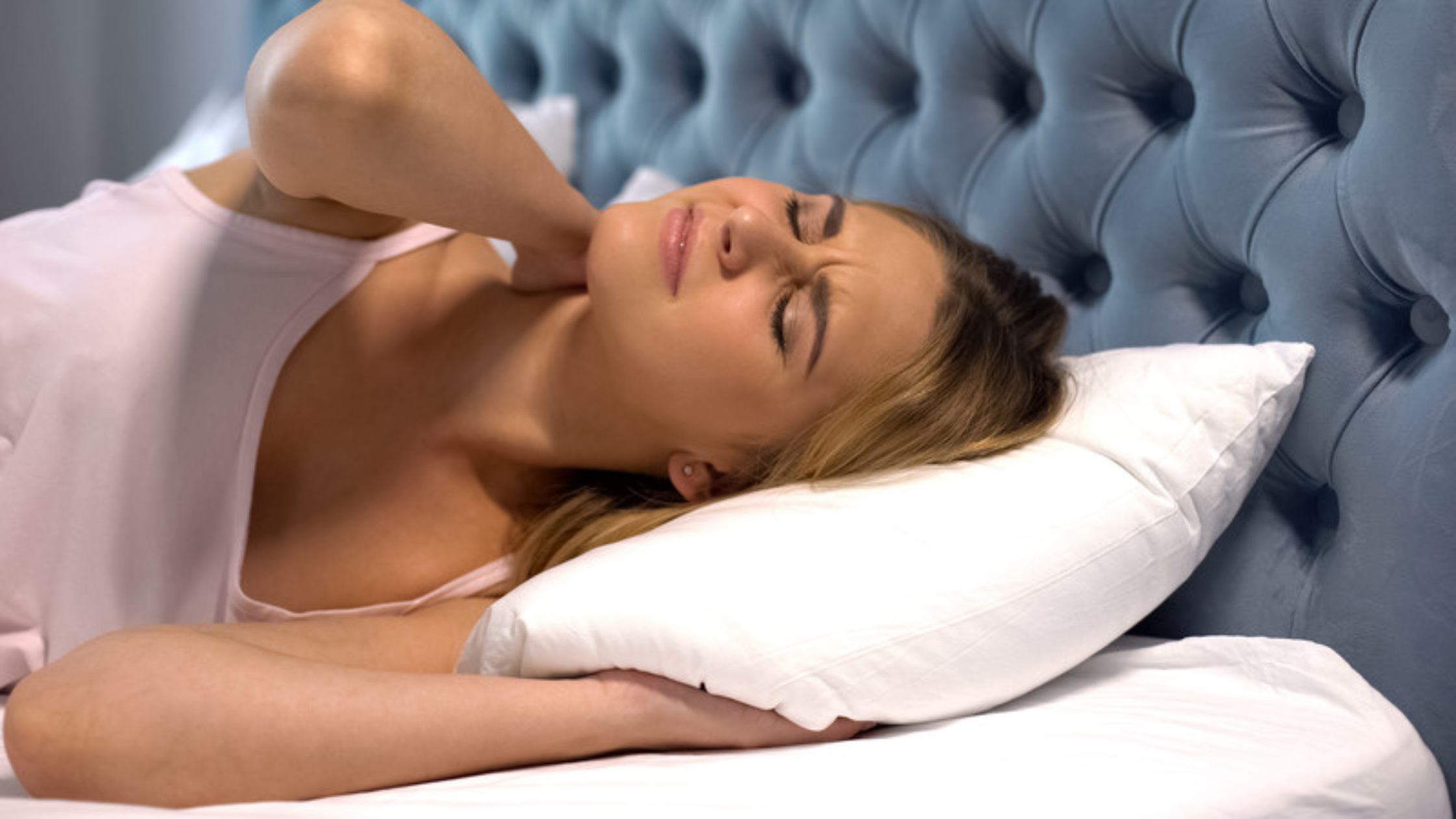
Increased Back and Joint Pain
An unsupportive mattress may contribute to:
- Morning back pain
- Neck stiffness
- Shoulder discomfort
- Hip pain
While an old mattress isn't always the primary cause of pain, replacing a worn mattress may improve comfort for some individuals, especially if symptoms are worse upon waking.
Pressure Point Discomfort
Older mattresses often develop uneven surfaces that create pressure on certain areas of the body.
This may be especially noticeable for side sleepers, who place more weight on their shoulders and hips.
Better pressure distribution can reduce discomfort and minimize nighttime position changes.
Mattresses and Allergies
As mattresses age, they accumulate more than just wear and tear.
Over time, they can collect:
- Dust mites
- Skin cells
- Pet dander
- Mold (if exposed to moisture)
- Other allergens
For people with allergies or asthma, these allergens may contribute to:
- Nasal congestion
- Sneezing
- Coughing
- Itchy eyes
- Interrupted sleep
Regular cleaning, using a mattress protector, and replacing an old mattress when necessary can help reduce allergen exposure.
Can an Old Mattress Cause Insomnia?
An old mattress does not directly cause chronic insomnia, but it can make it more difficult to sleep well.
For example:
- Discomfort may delay sleep onset.
- Pain can trigger frequent awakenings.
- Poor support may reduce sleep quality.
If sleep problems continue after replacing an uncomfortable mattress, other causes—such as stress, sleep apnea, restless legs syndrome, or chronic insomnia—should be considered.
Signs It's Time to Replace Your Mattress
You may benefit from a new mattress if you notice any of the following:
- Your mattress is more than 8–10 years old.
- You wake up with pain or stiffness most mornings.
- You notice visible sagging or lumps.
- Springs can be felt through the mattress.
- You sleep better in hotels or on another bed.
- You frequently wake during the night because you can't get comfortable.
- Your mattress squeaks or creaks with movement.
If several of these signs sound familiar, your mattress may no longer be providing adequate support.
Does a More Expensive Mattress Mean Better Sleep?
Not necessarily.
The "best" mattress depends on your:
- Sleeping position
- Body type
- Comfort preferences
- Medical conditions, such as chronic back pain
A high price does not guarantee better sleep. Instead, focus on finding a mattress that provides proper support, maintains spinal alignment, and feels comfortable for your individual needs.
Tips to Extend the Life of Your Mattress
While no mattress lasts forever, proper care can help maximize its lifespan.
Use a Mattress Protector
A quality mattress protector helps guard against:
- Spills
- Sweat
- Dust mites
- Allergens
It also helps preserve the mattress materials over time.
Rotate the Mattress
If recommended by the manufacturer, rotating your mattress every few months may help distribute wear more evenly.
Not all mattresses are designed to be flipped, so always follow the manufacturer's instructions.
Keep It Clean
Vacuuming the mattress periodically and washing bedding regularly can reduce dust and allergens.
Replacing pillows every few years can also improve sleep hygiene.
Use the Proper Bed Frame
A supportive bed frame helps prevent uneven wear and extends the mattress's structural integrity.
Using the wrong foundation may shorten the mattress's lifespan.
Improving Sleep Beyond Your Mattress
While your mattress plays an important role, it's only one piece of healthy sleep.
Other habits that promote better sleep include:
- Keeping a consistent sleep schedule
- Limiting caffeine later in the day
- Reducing screen time before bed
- Sleeping in a cool, dark, and quiet room
- Staying physically active
If you continue to sleep poorly despite improving your sleep environment, it may be worth discussing your symptoms with a healthcare provider.
The Bottom Line
Your mattress has a significant impact on comfort, but its ability to support restful sleep declines over time. An aging mattress can contribute to nighttime discomfort, body aches, frequent awakenings, and reduced sleep quality.
Although replacing a mattress won't cure medical sleep disorders, upgrading a worn-out bed may improve comfort and help you sleep more soundly. If your mattress is over a decade old or you're consistently waking up sore and tired, it may be time to consider a replacement.
A supportive sleep environment starts from the ground up—and your mattress is one of the most important investments you can make in your overall health.
If you've replaced your mattress but still struggle with poor sleep, loud snoring, excessive daytime sleepiness, or chronic insomnia, talk with your healthcare provider or a sleep specialist. Your sleep difficulties may be caused by an underlying sleep disorder that deserves evaluation and treatment.
If someone you know is struggling with sleep, please click the orange button below to take a free online sleep test and talk with one of our sleep health professionals.
