
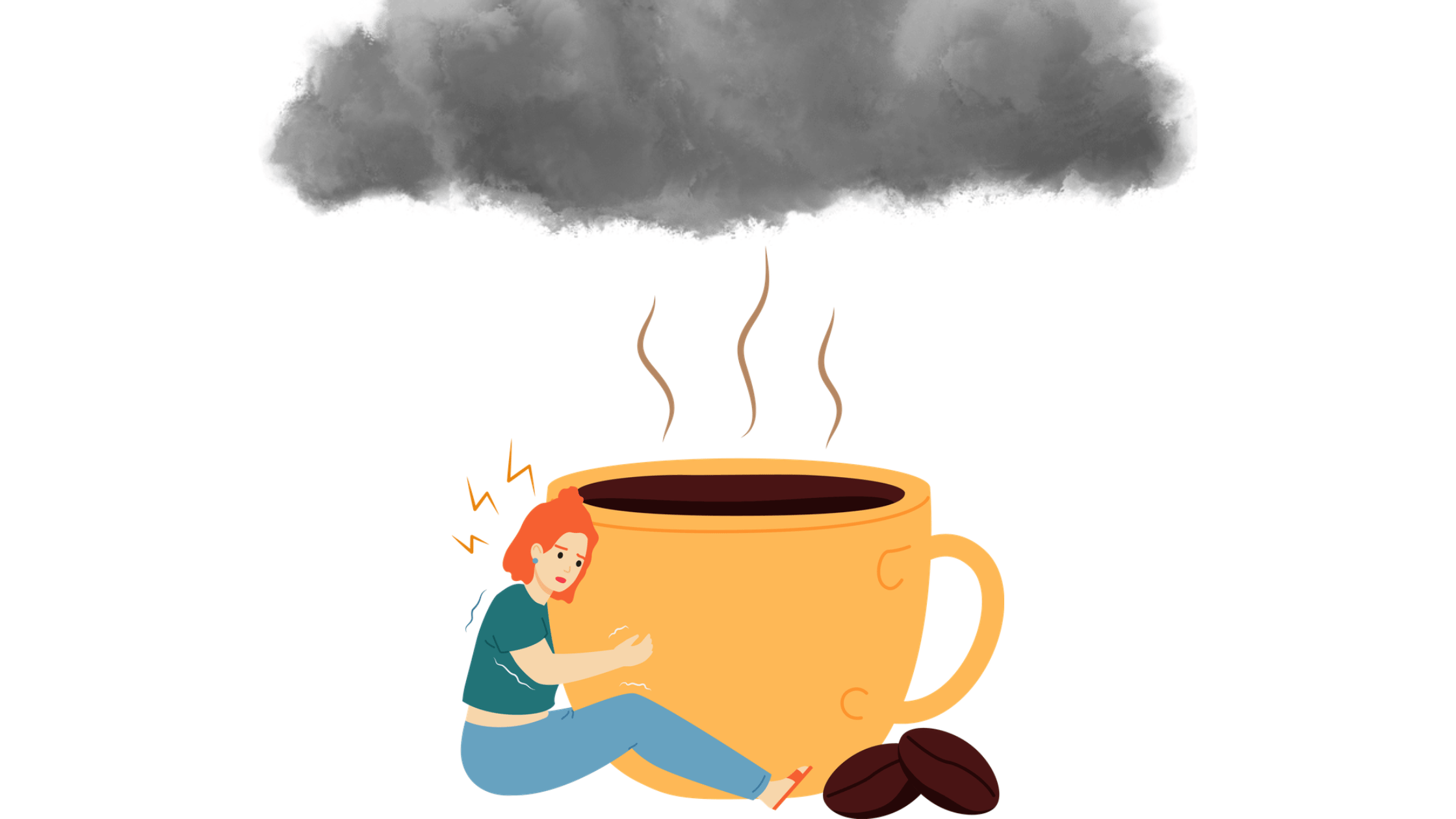
What Is Caffeine Withdrawal?
Caffeine withdrawal occurs when someone who regularly consumes caffeine suddenly reduces or stops intake. Because caffeine stimulates the central nervous system, the body gradually adapts to its presence over time.
When caffeine is removed, the brain and body need time to adjust—leading to a temporary set of withdrawal symptoms.
While caffeine withdrawal is usually not dangerous, it can be uncomfortable and disruptive to daily life.
Why Caffeine Withdrawal Happens
How Caffeine Affects the Brain
Caffeine works primarily by blocking adenosine, a chemical that builds up throughout the day and promotes sleepiness.
When caffeine is consumed regularly:
- The brain adapts by increasing sensitivity to adenosine
- The body becomes accustomed to caffeine’s stimulating effects
Once caffeine is removed, adenosine activity rebounds—often causing intense fatigue and other symptoms.
Common Symptoms of Caffeine Withdrawal
Headaches
Headaches are one of the most common withdrawal symptoms. Caffeine affects blood vessel constriction in the brain, and stopping caffeine can temporarily increase blood flow, triggering headaches.
These headaches often:
- Begin within 12–24 hours
- Peak within the first couple of days
- Improve gradually over time
Fatigue and Low Energy
Without caffeine’s stimulant effect, many people experience:
- Excessive tiredness
- Daytime sleepiness
- Reduced motivation
This is especially noticeable if caffeine was previously used to compensate for poor sleep.
Difficulty Concentrating
Caffeine withdrawal can temporarily impair:
- Attention
- Focus
- Mental clarity
Many people describe this as “brain fog.”
Irritability and Mood Changes
Some individuals experience:
- Irritability
- Low mood
- Increased anxiety
- Reduced stress tolerance
These effects are often temporary as the nervous system recalibrates.
Flu-Like Symptoms
In some cases, withdrawal can cause:
- Muscle aches
- Nausea
- General sluggishness
These symptoms are usually mild and short-lived.
How Long Does Caffeine Withdrawal Last?
Typical Timeline
Most symptoms begin:
- Within 12–24 hours after stopping caffeine
Symptoms often peak:
- Around 24–48 hours
Most people improve:
- Within 2–9 days
The severity depends on:
- Daily caffeine intake
- Duration of use
- Individual sensitivity
Who Is More Likely to Experience Withdrawal?
Withdrawal symptoms are more common in people who:
- Consume caffeine daily
- Drink large amounts of coffee or energy drinks
- Use caffeine to manage chronic fatigue or sleep deprivation
Even moderate daily intake can lead to withdrawal if stopped abruptly.
How to Reduce Caffeine Withdrawal Symptoms
Gradually Reduce Intake
The easiest way to minimize withdrawal is to taper caffeine slowly rather than stopping suddenly.
For example:
- Reduce one caffeinated drink every few days
- Mix regular coffee with decaf
- Choose smaller serving sizes
Gradual reduction gives the brain more time to adjust.
Stay Hydrated
Dehydration can worsen headaches and fatigue. Drinking adequate water during caffeine reduction may help ease symptoms.
Prioritize Sleep
Fatigue often feels worse when sleep is already insufficient. Supporting healthy sleep habits can reduce the need for caffeine and help the body recover more smoothly.
Get Morning Sunlight
Natural light exposure in the morning helps increase alertness naturally and supports the circadian rhythm during the adjustment period.
Maintain Physical Activity
Light movement such as walking or stretching can temporarily improve energy and mood during withdrawal.
Is Caffeine Withdrawal Dangerous?
For most healthy people, caffeine withdrawal is uncomfortable but not medically dangerous.
However, individuals with certain medical conditions or extremely high caffeine intake may benefit from discussing reduction strategies with a healthcare professional.
The Bigger Picture: Why Withdrawal Can Be a Sign of Dependence
Experiencing withdrawal does not necessarily mean addiction, but it does show that the body has adapted to regular caffeine exposure.
Many people discover during withdrawal that caffeine was masking:
- Chronic sleep deprivation
- Stress
- Poor energy management habits
Addressing those underlying factors often leads to more sustainable energy levels long term.
The Bottom Line
Caffeine withdrawal is a temporary response that occurs when the body adjusts to reduced caffeine intake. Symptoms like headaches, fatigue, irritability, and brain fog are common but usually improve within several days.
Reducing caffeine gradually, improving sleep habits, and supporting natural energy rhythms can make the transition much easier.
If you’re planning to cut back on caffeine, start gradually instead of quitting overnight. Small reductions paired with better sleep and hydration can make a major difference in how you feel.
If you or someone you know struggles with sleep, please click the orange button below to take a free online sleep test and talk with one of our sleep health professionals.
