
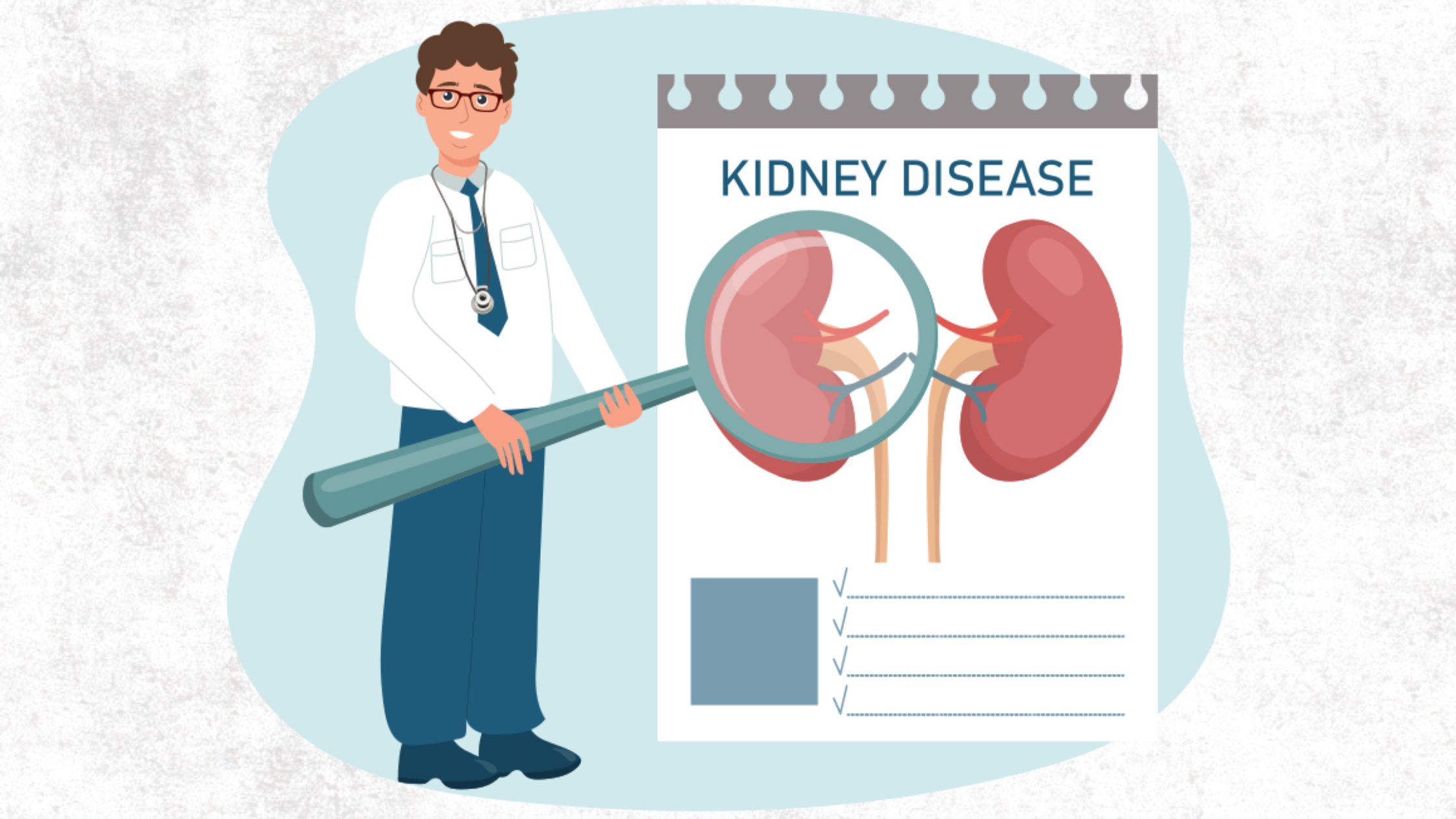
Chronic kidney disease (CKD) affects far more than kidney function. One of the most under-recognized—but highly impactful—complications of CKD is disrupted sleep.
Many people with CKD report difficulty falling asleep, frequent nighttime awakenings, excessive daytime fatigue, or non-restorative sleep. These symptoms are not just inconvenient; they can significantly affect quality of life, mood, and even disease outcomes.
Sleep and kidney health are closely connected, and understanding this relationship is an important part of managing CKD.
Why Sleep Problems Are Common in CKD
Sleep disturbances in chronic kidney disease are rarely caused by a single factor. Instead, multiple physiologic and lifestyle changes contribute.
Uremia and Toxin Buildup
As kidney function declines, waste products can accumulate in the blood, a condition known as uremia.
These metabolic changes may affect the nervous system and contribute to:
- Difficulty falling asleep
- Restless or fragmented sleep
- Nighttime awakenings
Uremia can also contribute to itching, discomfort, and general restlessness, all of which can interfere with sleep quality.
Fluid Shifts and Nocturia
CKD often affects fluid balance in the body.
This can lead to:
- Frequent nighttime urination (nocturia)
- Swelling in the legs during the day with fluid redistribution at night
- Sleep interruptions due to bathroom trips
Each awakening can make it harder to return to deep, restorative sleep.
Chronic Inflammation
CKD is associated with chronic systemic inflammation.
Inflammation can:
- Disrupt normal sleep architecture
- Reduce deep sleep
- Contribute to fatigue and low energy
Over time, this inflammatory state can worsen both sleep quality and overall health.
Common Sleep Disorders in CKD
People with chronic kidney disease are at higher risk for several specific sleep disorders.
Obstructive Sleep Apnea (OSA)
Obstructive sleep apnea is especially common in individuals with CKD.
It occurs when the airway repeatedly collapses during sleep, leading to:
- Breathing pauses
- Oxygen drops
- Frequent nighttime awakenings
OSA is associated with:
- High blood pressure
- Cardiovascular disease
- Worsening kidney outcomes
Symptoms may include loud snoring, daytime sleepiness, and morning headaches.
Restless Legs Syndrome (RLS)
Restless legs syndrome is another common condition in CKD, particularly in more advanced stages.
It causes:
- Uncomfortable sensations in the legs
- An urge to move the legs, especially at night
- Difficulty falling asleep
RLS is often linked with iron deficiency, which is more common in CKD patients.
Insomnia
Insomnia—difficulty falling or staying asleep—is highly prevalent in CKD.
Contributing factors include:
- Physical discomfort
- Anxiety or stress
- Medication side effects
- Sleep apnea or RLS
- Irregular sleep schedules
Insomnia can become chronic if not addressed.
How CKD Affects Sleep Architecture
Beyond specific disorders, CKD can alter the structure of sleep itself.
Common changes include:
- Reduced deep sleep (slow-wave sleep)
- Fragmented sleep cycles
- Increased nighttime awakenings
- Reduced sleep efficiency
These changes often lead to a feeling of being unrefreshed, even after spending enough time in bed.
The Bidirectional Relationship: Sleep Also Affects Kidney Health
Sleep and kidney disease influence each other in both directions.
Poor sleep may contribute to:
- Increased blood pressure
- Worsening insulin resistance
- Increased inflammation
- Cardiovascular stress
All of these factors can negatively impact kidney function over time.
This creates a cycle where CKD worsens sleep, and poor sleep may further stress kidney health.
Why Fatigue Is So Common in CKD
Many people with CKD experience persistent fatigue that is not fully explained by lab values alone.
Contributors include:
- Poor sleep quality
- Anemia
- Uremia
- Medication effects
- Depression or anxiety
- Reduced physical activity
Sleep disruption often plays a central role in this fatigue.
How Dialysis Can Affect Sleep
For patients with advanced CKD requiring dialysis, sleep problems may continue or even worsen.
Some individuals experience:
- Sleep disruptions due to treatment schedules
- Post-dialysis fatigue
- Changes in fluid balance affecting nighttime comfort
- Restless legs symptoms
However, some patients may experience improved sleep quality once uremic symptoms are better controlled.
Strategies to Improve Sleep in CKD
Treat Underlying Sleep Disorders
Identifying and treating conditions like sleep apnea or restless legs syndrome can significantly improve sleep quality.
Manage Fluid Balance
Helpful strategies may include:
- Limiting evening fluid intake (if advised by a clinician)
- Elevating legs during the day to reduce nighttime fluid shifts
- Following individualized dietary recommendations
Address Iron Deficiency
Iron deficiency can worsen restless legs symptoms. Evaluation and treatment may improve sleep in many patients.
Maintain a Consistent Sleep Routine
Regular sleep habits help support circadian rhythm:
- Go to bed and wake up at consistent times
- Avoid long daytime naps when possible
- Develop a calming bedtime routine
Optimize Sleep Environment
Improving comfort can reduce nighttime awakenings:
- Comfortable bedding and mattress
- Cool room temperature
- Minimized noise and light
Review Medications
Some medications used in CKD may affect sleep. A healthcare provider may adjust timing or dosing if sleep disruption is significant.
When to Talk to a Healthcare Provider
Sleep problems should be discussed with a clinician if:
- You experience persistent insomnia
- Loud snoring or breathing pauses are present
- Restless legs interfere with sleep
- Daytime fatigue affects daily functioning
- Sleep issues are worsening over time
A sleep evaluation or referral may be helpful.
The Bottom Line
Sleep disturbances are extremely common in chronic kidney disease and are caused by a combination of metabolic changes, sleep disorders, fluid shifts, inflammation, and emotional stress.
Because sleep and kidney health are closely linked, improving sleep is an important part of comprehensive CKD care. Treating underlying sleep disorders, managing symptoms, and improving sleep habits can significantly enhance quality of life.
If you have chronic kidney disease and are struggling with poor sleep or daytime fatigue, bring it up with your healthcare provider. Addressing sleep issues early may improve not only how you feel day to day, but also your overall health trajectory.
If you or someone you know is struggling with sleep, please click the orange button below to take a free sleep test and talk with one of our sleep health professionals.
