
What Is REM Sleep?
REM (rapid eye movement) sleep is one of the major stages of the sleep cycle. It is the stage most associated with vivid dreaming, increased brain activity, and emotional processing.
Throughout the night, the body cycles through multiple stages of sleep, including:
- Light sleep
- Deep sleep
- REM sleep
REM periods become longer later in the night, which is why consistently cutting sleep short can reduce overall REM sleep time.
Why REM Sleep Is Important
REM sleep is critical for:
- Emotional regulation
- Memory processing
- Brain recovery
- Nervous system balance
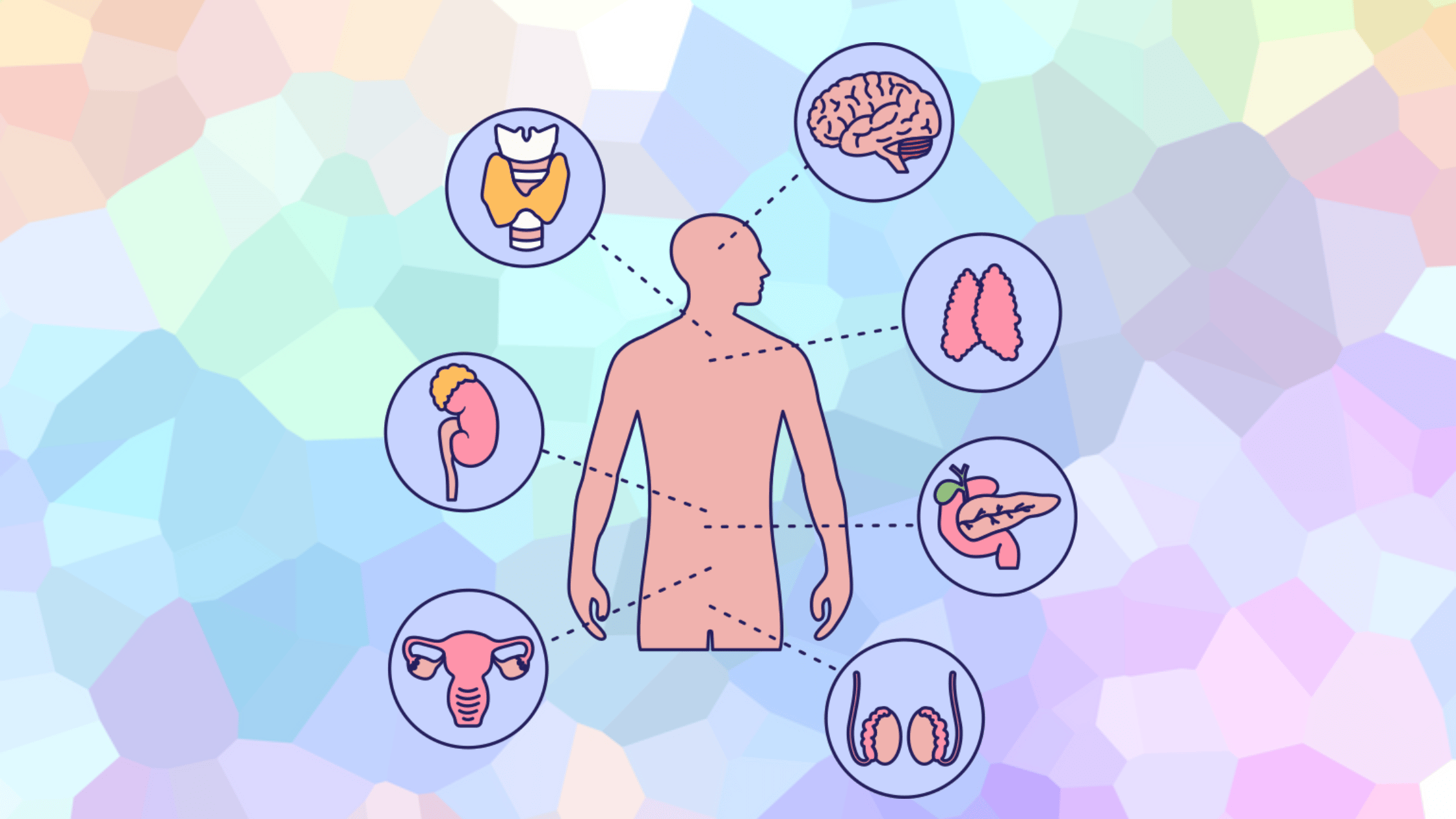
Emerging research also suggests REM sleep plays an important role in maintaining healthy hormonal function.
The Connection Between REM Sleep and Hormones
REM Sleep Helps Regulate Cortisol
Cortisol, the body’s primary stress hormone, follows a circadian rhythm. Normally:
- Cortisol is low at night
- It gradually rises toward morning to help wakefulness
Poor or fragmented REM sleep may disrupt this balance, contributing to:
- Elevated stress levels
- Nighttime hyperarousal
- Difficulty feeling rested
Chronic REM disruption can place the body in a more prolonged stress state.
Emotional Processing and Stress Hormones
REM sleep helps the brain process emotional experiences and reduce emotional intensity from stressful events.
When REM sleep is insufficient:
- Emotional reactivity may increase
- Stress tolerance may decrease
- Anxiety symptoms may worsen
This can create a cycle where stress disrupts REM sleep, and poor REM sleep worsens stress regulation.
REM Sleep and Reproductive Hormones
Testosterone Regulation
Sleep quality—including REM sleep—plays a role in testosterone regulation. Since REM periods are longest during the second half of the night, shortened sleep duration may interfere with normal hormonal recovery.
Poor sleep has been associated with:
- Lower testosterone levels
- Reduced energy
- Decreased libido
Menstrual and Reproductive Health
In women, chronic sleep disruption may affect hormonal rhythms related to:
- Ovulation
- Menstrual regularity
- Mood fluctuations
Although hormone regulation is complex, REM sleep appears to support overall endocrine stability.
REM Sleep and Appetite Hormones
Ghrelin and Leptin Imbalance
Insufficient sleep can alter hormones involved in hunger and fullness:
- Ghrelin increases appetite
- Leptin signals fullness
Reduced REM sleep may contribute to:
- Increased cravings
- Greater appetite for high-calorie foods
- Difficulty regulating eating patterns
This may partly explain the connection between poor sleep and metabolic dysfunction.
REM Sleep and Growth Hormone Balance
While deep sleep is most strongly linked to growth hormone release, REM sleep contributes to overall sleep architecture and recovery.
When REM sleep is repeatedly disrupted:
- Sleep becomes less restorative
- Hormonal coordination between sleep stages may become impaired
Healthy sleep depends on balanced cycling through all stages—not just one.
What Reduces REM Sleep?
Several factors can interfere with REM sleep quality and duration.
Sleep Deprivation
Short sleep duration often reduces REM sleep because the body prioritizes other stages earlier in the night.
Alcohol Consumption
Alcohol may initially promote drowsiness but often suppresses REM sleep later in the night, leading to fragmented rest.
Chronic Stress and Anxiety
Stress increases nighttime arousal, which can interrupt normal REM cycles and reduce emotional recovery during sleep.
Certain Medications and Substances
Some medications and stimulants may alter REM sleep patterns, especially when taken late in the day.
Signs You May Not Be Getting Enough REM Sleep
Possible signs include:
- Feeling mentally unrefreshed despite enough hours in bed
- Increased emotional sensitivity
- Difficulty concentrating
- Frequent vivid dreams after sleep deprivation (“REM rebound”)
- Mood instability or irritability
How to Support Healthy REM Sleep
Get Enough Total Sleep
Because REM sleep is concentrated later in the night, consistently sleeping too little can significantly reduce REM time.
Aim for consistent, adequate sleep duration.
Maintain a Consistent Sleep Schedule
Stable sleep timing supports healthy circadian rhythm and more predictable sleep architecture.
Limit Alcohol and Late Stimulants
Reducing alcohol and late caffeine intake may improve REM sleep quality and reduce fragmentation.
Manage Stress Before Bed
Relaxation strategies such as:
- Deep breathing
- Journaling
- Meditation
- Reading
can help calm the nervous system and support healthier REM cycles.
The Bottom Line
REM sleep is more than just the stage where dreaming occurs—it plays an important role in emotional regulation, stress recovery, and hormonal balance.
When REM sleep is disrupted by stress, sleep deprivation, or inconsistent habits, hormonal systems throughout the body may also become dysregulated.
Protecting sleep quality is one of the most effective ways to support long-term physical and emotional health.
Take a look at your sleep habits this week. Even adding an extra 30–60 minutes of consistent sleep each night may help improve REM sleep and support healthier hormonal balance over time.
If you or someone you know struggles with sleep, please click the orange button below to take a free online sleep test and talk with one of our sleep health professionals.
