
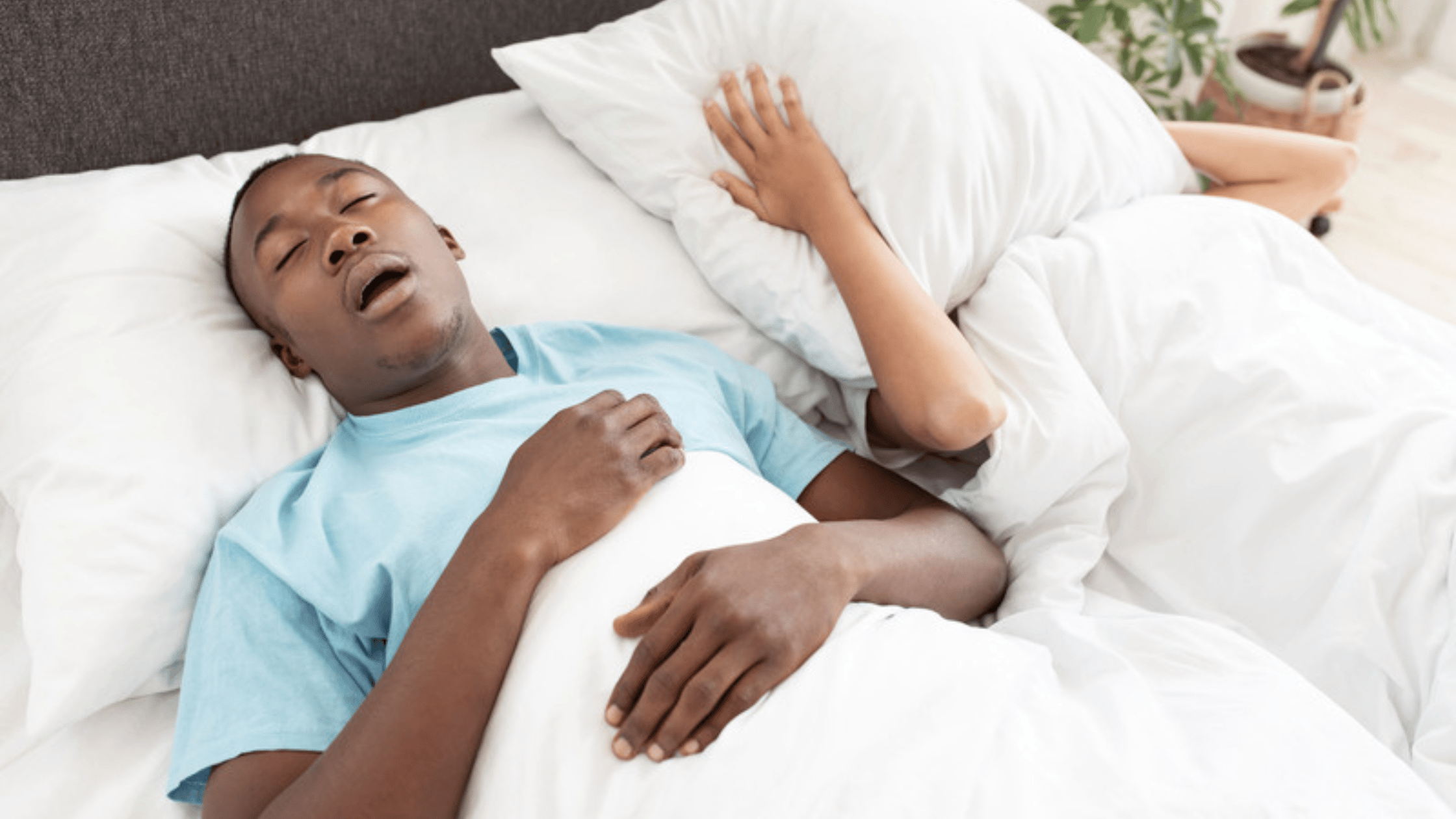
What Is Obstructive Sleep Apnea (OSA)?
Obstructive sleep apnea (OSA) is a common sleep disorder where the airway repeatedly collapses during sleep, causing brief pauses in breathing. These interruptions can happen dozens—or even hundreds—of times per night.
Each pause reduces oxygen levels and disrupts normal sleep cycles, often without the person fully realizing it.
Why Testosterone Depends on Sleep
Testosterone production is closely tied to sleep quality. Most daily testosterone release occurs during deep and REM sleep, particularly in the early part of the night.
When sleep is continuous and restorative, hormone production follows a predictable rhythm. When sleep is fragmented, that process is disrupted.
How OSA Impacts Testosterone Levels
Sleep Fragmentation Disrupts Hormone Production
One of the hallmark features of OSA is repeated awakenings throughout the night, even if they are brief. These disruptions prevent the body from maintaining deep sleep stages where testosterone production is most active.
Over time, this can lead to lower overall testosterone levels.
Reduced Oxygen Levels Affect Hormonal Function
OSA causes intermittent drops in blood oxygen levels. This repeated oxygen deprivation can interfere with normal endocrine function, including the signaling pathways that regulate testosterone production.
Altered Circadian Rhythm
Frequent sleep disruptions can weaken the body’s circadian rhythm, which plays a role in regulating hormonal timing. This can blunt the normal early-morning peak in testosterone levels.
Increased Stress Hormones
OSA is associated with elevated cortisol levels, the body’s primary stress hormone. Chronic elevation of cortisol can suppress testosterone production, further contributing to hormonal imbalance.
Symptoms of Low Testosterone in OSA
People with both OSA and low testosterone may experience:
- Reduced libido
- Erectile dysfunction
- Fatigue and low energy
- Decreased muscle mass
- Mood changes, including irritability or depression
These symptoms can overlap, making it difficult to identify the root cause without proper evaluation.
Does Treating OSA Improve Testosterone?
CPAP Therapy and Hormonal Recovery
Continuous positive airway pressure (CPAP) therapy is the most common treatment for OSA. By keeping the airway open during sleep, CPAP reduces apneas and improves sleep quality.
Some studies suggest that effective CPAP use may help improve testosterone levels, particularly in individuals with severe OSA. However, results are mixed, and improvements may depend on consistency of use and baseline health.
The Role of Weight and Lifestyle
OSA and low testosterone are both associated with obesity and metabolic dysfunction. Addressing these factors through:
- Weight management
- Regular exercise
- Improved sleep habits
can support both conditions simultaneously.
Who Is Most at Risk?
Certain individuals may be at higher risk for both OSA and low testosterone:
- Men with obesity
- Individuals with large neck circumference
- Those with chronic snoring or daytime sleepiness
- People with metabolic syndrome or type 2 diabetes
When to Consider Evaluation
You may want to seek medical evaluation if you experience:
- Loud snoring or witnessed apneas
- Excessive daytime sleepiness
- Persistent fatigue despite adequate time in bed
- Symptoms of low testosterone
A sleep study and hormone testing can help clarify what’s contributing to your symptoms.
The Bigger Picture: Sleep as a Hormonal Foundation
OSA highlights a broader truth: sleep is not just rest—it’s a critical period for hormonal regulation. When sleep is disrupted, the effects extend beyond fatigue to impact metabolism, mood, and endocrine health.
The Bottom Line
Obstructive sleep apnea can significantly impact testosterone levels through sleep fragmentation, reduced oxygen levels, circadian disruption, and increased stress hormones.
Treating OSA and improving sleep quality may help support healthier testosterone levels and overall well-being.
If you suspect sleep apnea or are experiencing symptoms of low testosterone, consider speaking with a healthcare provider. Addressing sleep may be one of the most effective steps toward improving your energy, mood, and hormonal health.
If you or someone you know struggles with sleep, please click the orange button below to take a free online sleep test and talk with one of our sleep health professionals.
