
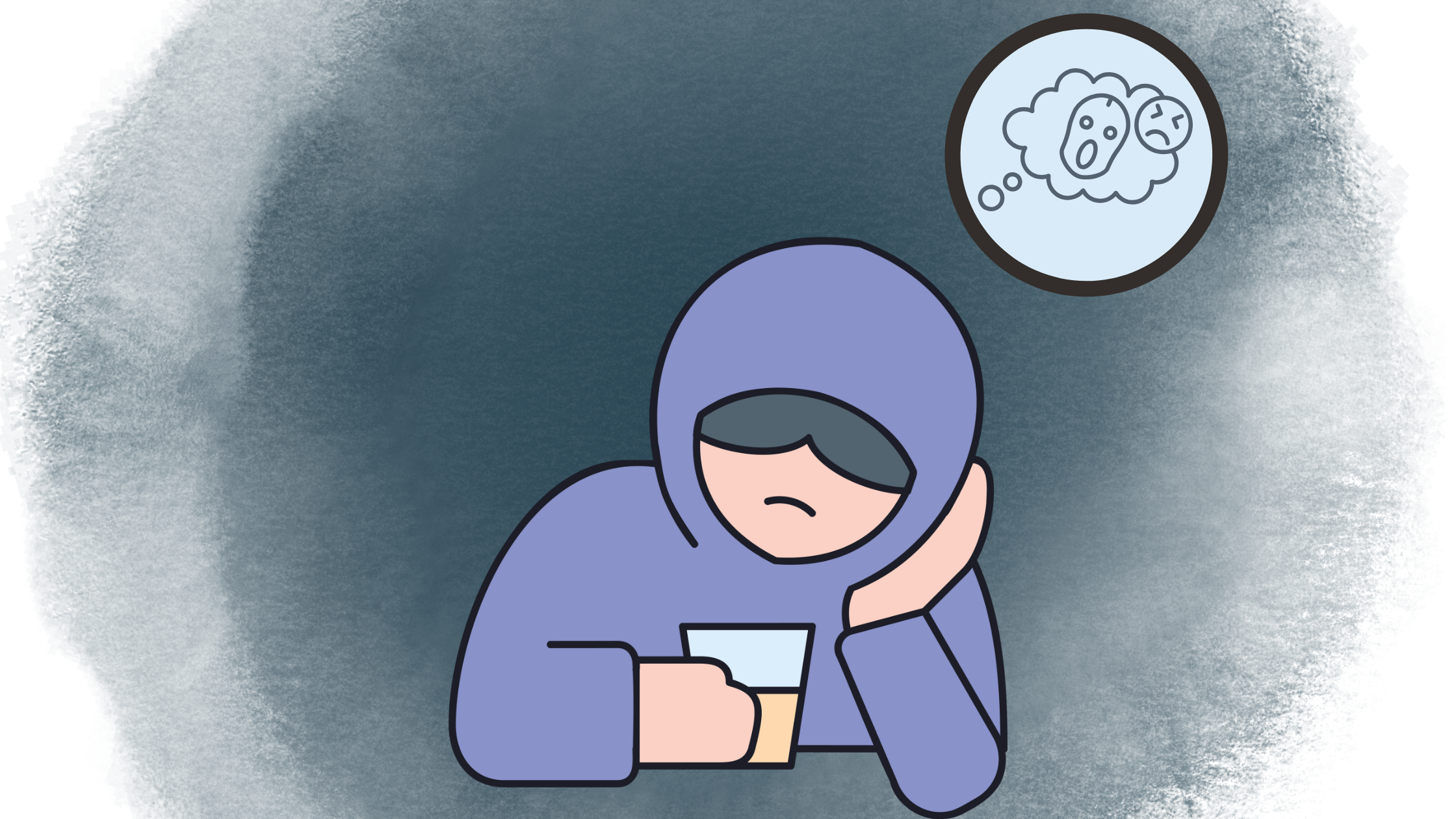
You’ve probably heard that alcohol can make you sleepy—but what many don’t realize is that it can also lead to unsettling dreams and nightmares. While that evening drink might help you doze off faster, it can drastically disrupt your sleep architecture and alter your dream patterns in ways that leave you groggy and anxious the next morning.
Let’s break down how alcohol impacts the brain during sleep, why nightmares are more likely after drinking, and what you can do to reduce these effects.
How Alcohol Affects Your Sleep Cycle
When you drink alcohol before bed, it initially acts as a sedative, helping you relax and fall asleep more quickly. However, this comes at a cost. Alcohol interferes with your sleep stages, especially REM sleep (rapid eye movement)—the phase most closely tied to dreaming, memory, and emotional regulation.
In the first half of the night, alcohol suppresses REM sleep. Later, as your body metabolizes the alcohol, you experience a rebound effect: REM sleep comes back with greater intensity, often producing vivid, emotionally charged, or disturbing dreams.
This fragmentation of normal sleep cycles can also lead to early morning awakenings, sweating, and restlessness—conditions that make nightmares even more noticeable.
Why Alcohol Can Trigger Nightmares
Alcohol changes how neurotransmitters like GABA, glutamate, and serotonin function in your brain. These chemicals influence both your sleep rhythm and the emotional tone of your dreams.
Some key factors include:
-
REM Rebound: After alcohol wears off, your brain “overcompensates” with longer REM phases, leading to intense, memorable dreams.
-
Withdrawal Effects: Even mild withdrawal—after the body clears the alcohol—can cause anxiety, rapid heart rate, and disrupted sleep, all of which make nightmares more likely.
-
Emotional Amplification: Alcohol lowers mood-stabilizing neurotransmitters, making negative or anxious dream content more prominent.
-
Dehydration and Temperature Swings: Alcohol can cause dehydration and body temperature fluctuations, which can trigger restless sleep and fragmented dreaming.
Who’s Most Affected
Not everyone experiences nightmares after drinking, but certain groups are more prone:
-
Individuals with anxiety or depression
-
Those with a history of alcohol dependence or frequent binge drinking
-
People who already struggle with nightmares or vivid dreams
-
Anyone experiencing withdrawal or rebound insomnia
How to Prevent Alcohol-Induced Nightmares
You don’t have to give up alcohol entirely to improve your dream quality—but moderation and timing matter.
1. Stop Drinking 3–4 Hours Before Bed
This gives your body time to metabolize alcohol before you sleep, minimizing REM disruption and reducing rebound nightmares.
2. Stay Hydrated
Alternate each alcoholic drink with a full glass of water to reduce dehydration and stabilize body temperature overnight.
3. Limit High-Sugar Mixers
Sugary cocktails or liquors can lead to blood sugar spikes and crashes, intensifying restlessness and REM instability.
4. Prioritize Sleep Hygiene
Go to bed and wake up at consistent times, and create a dark, cool, and quiet environment to offset alcohol’s disruptive effects.
5. Drink Less Often
Frequent drinking—even in small amounts—accumulates negative effects on REM sleep over time. Reducing alcohol intake, even a few nights per week, can lead to clearer, calmer dreams and more restorative rest.
The Bottom Line
While a nightcap might seem like a sleep aid, it often backfires—leading to fragmented sleep and vivid, unsettling dreams. The connection between alcohol and nightmares is primarily due to REM suppression and rebound, combined with chemical changes in the brain that amplify emotion.
If you notice frequent nightmares after drinking, cutting back on alcohol—especially before bedtime—can make a dramatic difference in how you sleep and how you feel in the morning.
If you or someone you know struggles with sleep, please click the orange button below to take a free online sleep test and talk with one of our sleep health professionals.
