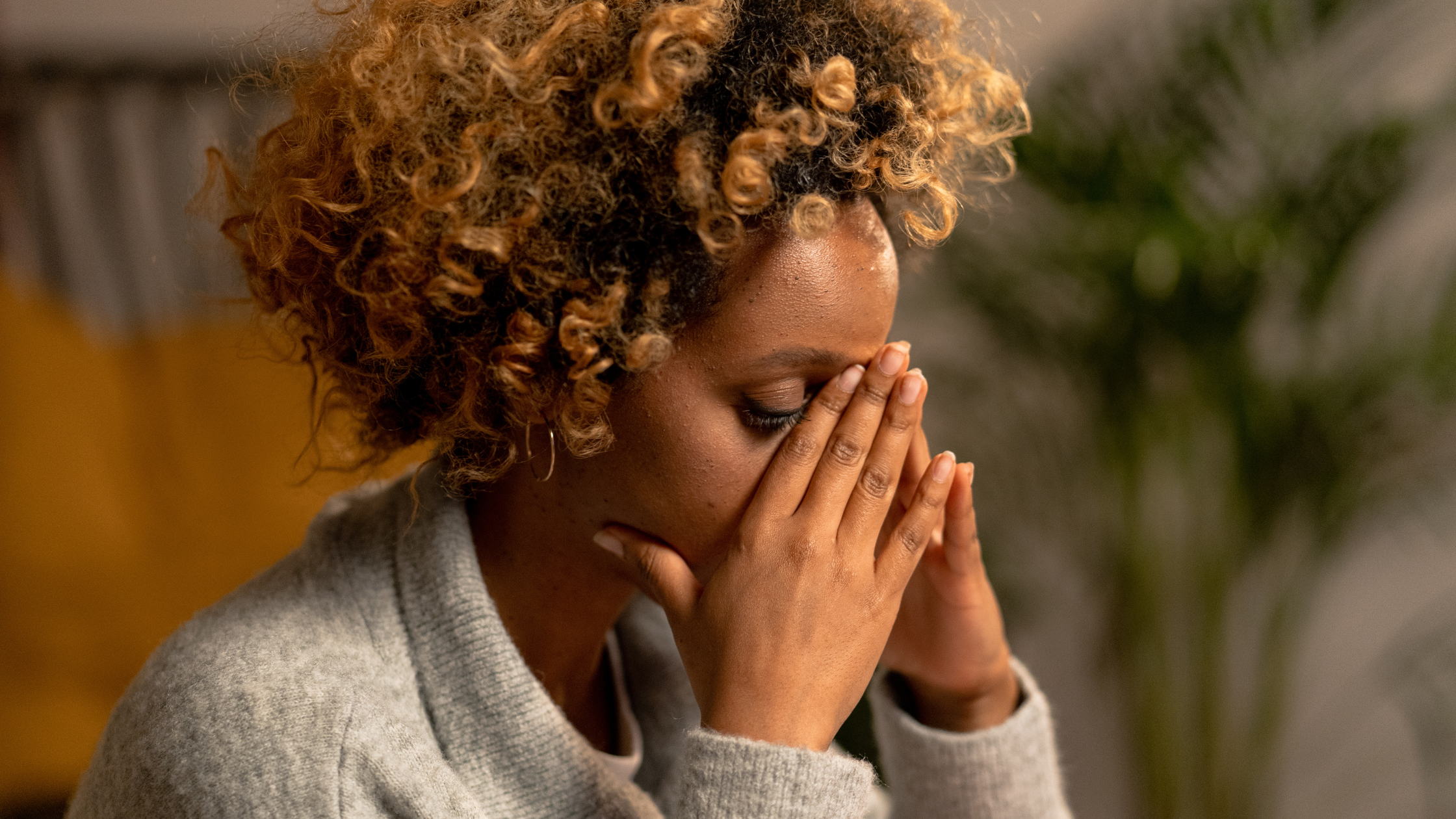
Bipolar disorder is a mental illness that can affect one's ability to control their moods. Although someone who is moody or seems to switch personalities is colloquially called "bipolar", the actual definition refers to the fluctuation between depressed moods and manic moods. Sleep plays are large role in highlighting bipolar, and bipolar disorder can truly disrupt one's sleep schedule. Continue reading to find out more about bipolar disorder and its' relationship with sleep.
One of the hardest things about becoming a new parent is establishing your baby's sleep pattern. Some babies are great sleepers while others take a little bit longer to find a nice routine - even within the same family. While it can be frustrating, improving your baby's sleep is essential for them to get enough sleep and you.
Babies need to sleep because that is when learning and growing happens. If they have a poor sleep schedule, then this can lead to some developmental delays that can be of concern. Also, if you're not getting enough sleep, then that can lead to higher levels of irritation, more disconnectedness from your child, and other negative consequences.
Here are a few tips to help you get your baby to sleep through the night.
Excessive daytime sleepiness is a symptoms that probably a majority of adults deal with. Normally it's due to just the lack of time and ability to get the recommended number of hours of sleep. However, sometimes it's due to an underlying sleep disorder. Two common causes of excess daytime sleepiness are sleep apnea and narcolepsy.
Their symptoms and presentations may seem very similar, but it's important to know the difference between them for treatment purposes. Continue reading to find out more about the differences between sleep apnea and narcolepsy.
In the search for a good night's rest, magnesium has become a supplement of interest lately. Getting good sleep can be hard for a number of reasons. So, if there is anything that can help improve rest, then people are willing to try it.
Magnesium may offer some benefits, but the research is still very limited. Here is some more information on magnesium and if it may be right for you.
Obstructive sleep apnea (OSA) is a sleep disorder in which breathing frequently stops while sleeping. It happens because your upper airway muscles relax and cause a blockage in the back of your throat. This makes it very difficult for air to pass through, and leads to breathing cessation. Then, you wake up to start breathing again, interrupting your sleep. However, you are unaware that you continue waking up throughout the night to begin breathing again, and are just tired but unsure why.
Hypoglycemia is a metabolic condition where your blood sugar drops below 70 mg/dL. This is dangerous as your body depends on glucose for energy. Without it, it cannot properly function. Normally, throughout the night, your body has mechanisms to create more glucose from glycogen storages or fat. However, if you are diabetic, and take insulin, then you may be at a higher risk for hypoglycemia if there is an imbalance between your medication and the amount of carbohydrates you have consumed. Here is more information on how to prevent hypoglycemia at night.
Nothing is worse than being very tired but unable to go to sleep. You find yourself lying there, wide awake, knowing you need to go to sleep but unable to. This time is referred to as sleep latency. Those with longer sleep latency may have trouble getting the adequate amount of sleep that they need. Longer sleep latency can be seen in those with insomnia, anxiety, depression, and any other disorder that can impact one's ability to get good sleep. Continue reading to learn tips for falling asleep earlier.
Nothing is more tempting than a late-night craving. They come on suddenly, and they are insatiable. Oftentimes, in the middle of the night, food choices are not the best. These cravings are for high-sugar and high-carbohydrate foods.
We have all been there, and those late-night cravings can be especially harmful if you have sleep troubles, diabetes, or any other health disease where late-night sugar rushes can be dangerous. An indulgence every once in a while is okay, but when it's a constant habit, you may find yourself with indigestion, weight gain, and difficulty controlling your blood sugars. Here are seven ways to kick those late-night cravings.
Having a baby is one of the most transformative experiences in the world. It alters the family unit, irrespective of which number child, and can have effects long after the child is delivered. One of the effects that particularly pertains to mothers is postpartum depression.
Postpartum depression is a mental state that many women experience after giving birth. These symptoms can vary between mothers and between pregnancies within the same mother. This makes it challenging to recognize postpartum depression and get women the help they need. There are many associated symptoms, but a very prevalent one is the lack of sleep. Continue reading to learn more about postpartum depression and its impact on sleep.
Since the beginning of the pandemic, people have either been forced out of their jobs or left on their own accord. Either way, being without a job has been detrimental to sleep for both US and European workers.
The idea that individuals without jobs have increased sleep trouble can seem paradoxical, considering they seem to have more time to regulate their sleep routines than those with full-time jobs. However, the stress that comes with job loss can lead to either too much or too little sleep. Continue reading to find out how unemployment can impact sleep and what you can do if you are unemployed.