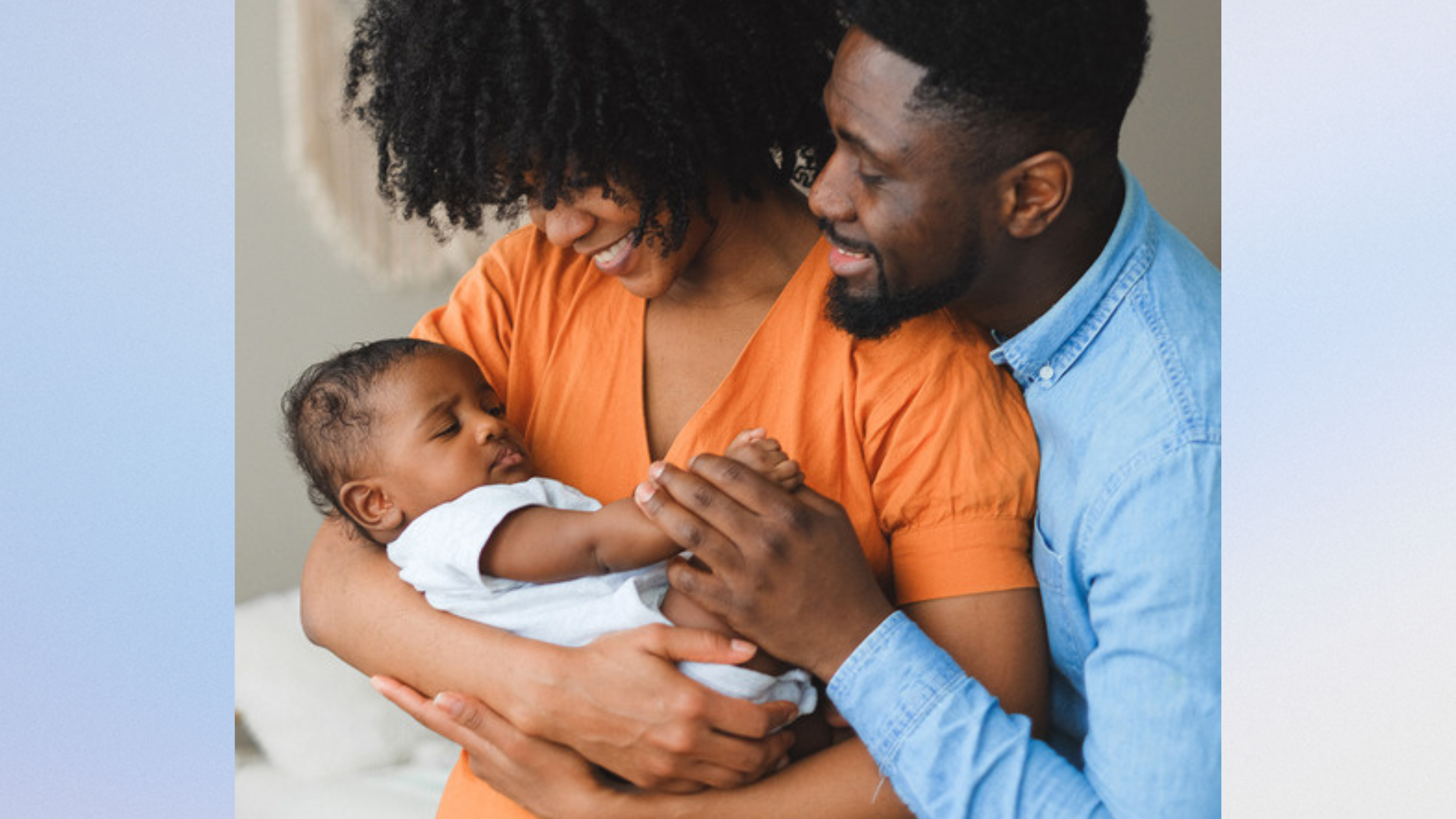
Few things bring as much peace of mind to new parents as knowing their baby is safe and sleeping soundly through the night. Thankfully, today’s technology offers an array of baby monitoring devices designed to help parents keep an eye on their little one’s safety, breathing, and environment—without having to hover constantly. From simple audio monitors to advanced smart systems, here’s a look at the options and how they can support restful nights for both baby and parent.
What is SIDS? Understanding Sudden Infant Death Syndrome
Sudden Infant Death Syndrome (SIDS) is one of the most feared and heartbreaking risks new parents face. It refers to the sudden, unexplained death of an otherwise healthy baby under the age of one, usually occurring during sleep. While researchers have studied SIDS for decades, its exact cause remains unknown, making awareness and prevention strategies especially important.
One of the biggest concerns for new parents is making sure their baby is comfortable through the night. Babies can’t regulate their body temperature as well as adults, so keeping them warm is important—but it’s just as important not to overheat them. Striking the right balance can help your baby sleep soundly and safely.
Sleep and Colick: How to Get More Rest When Crying Won’t Quit
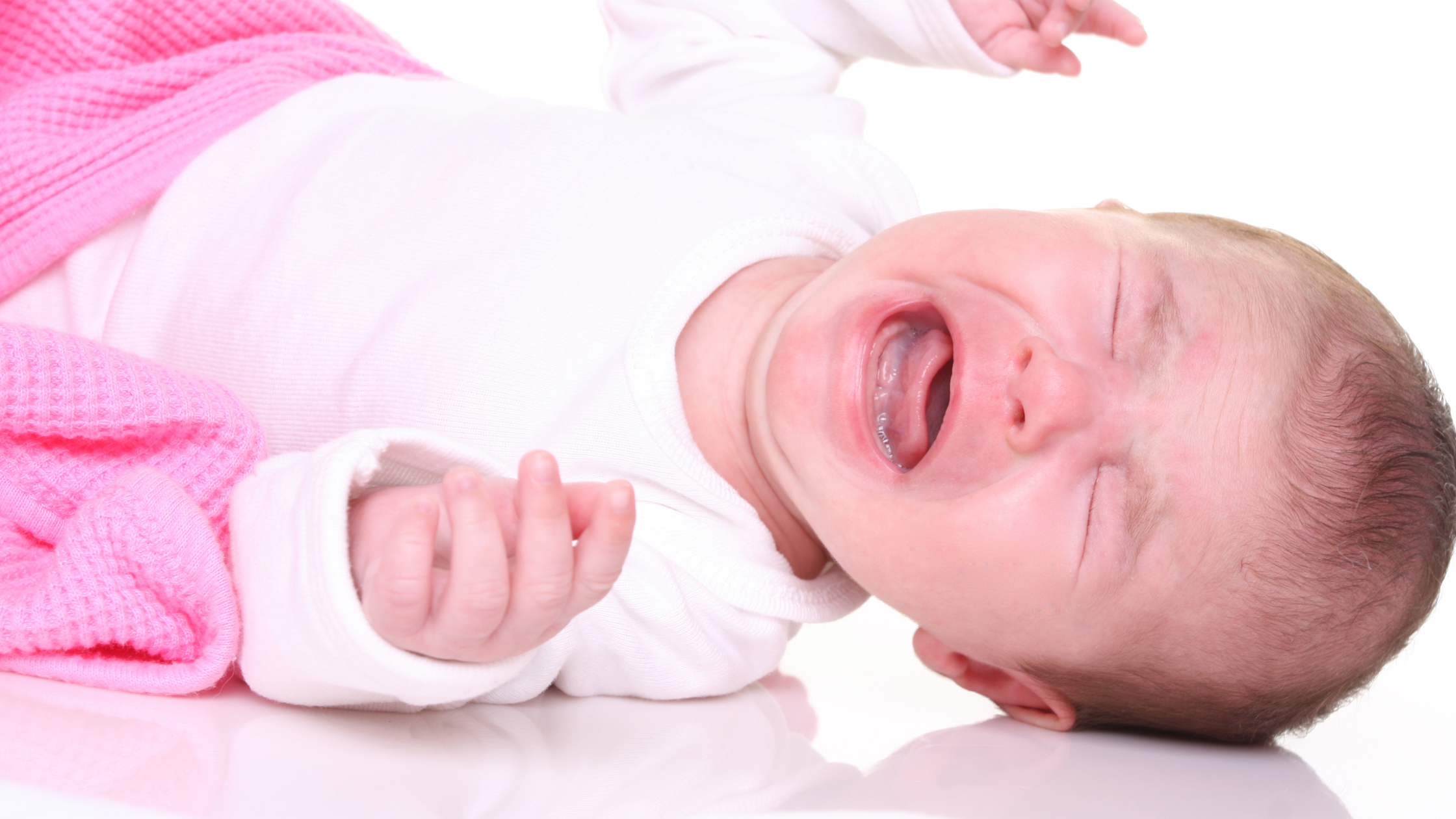
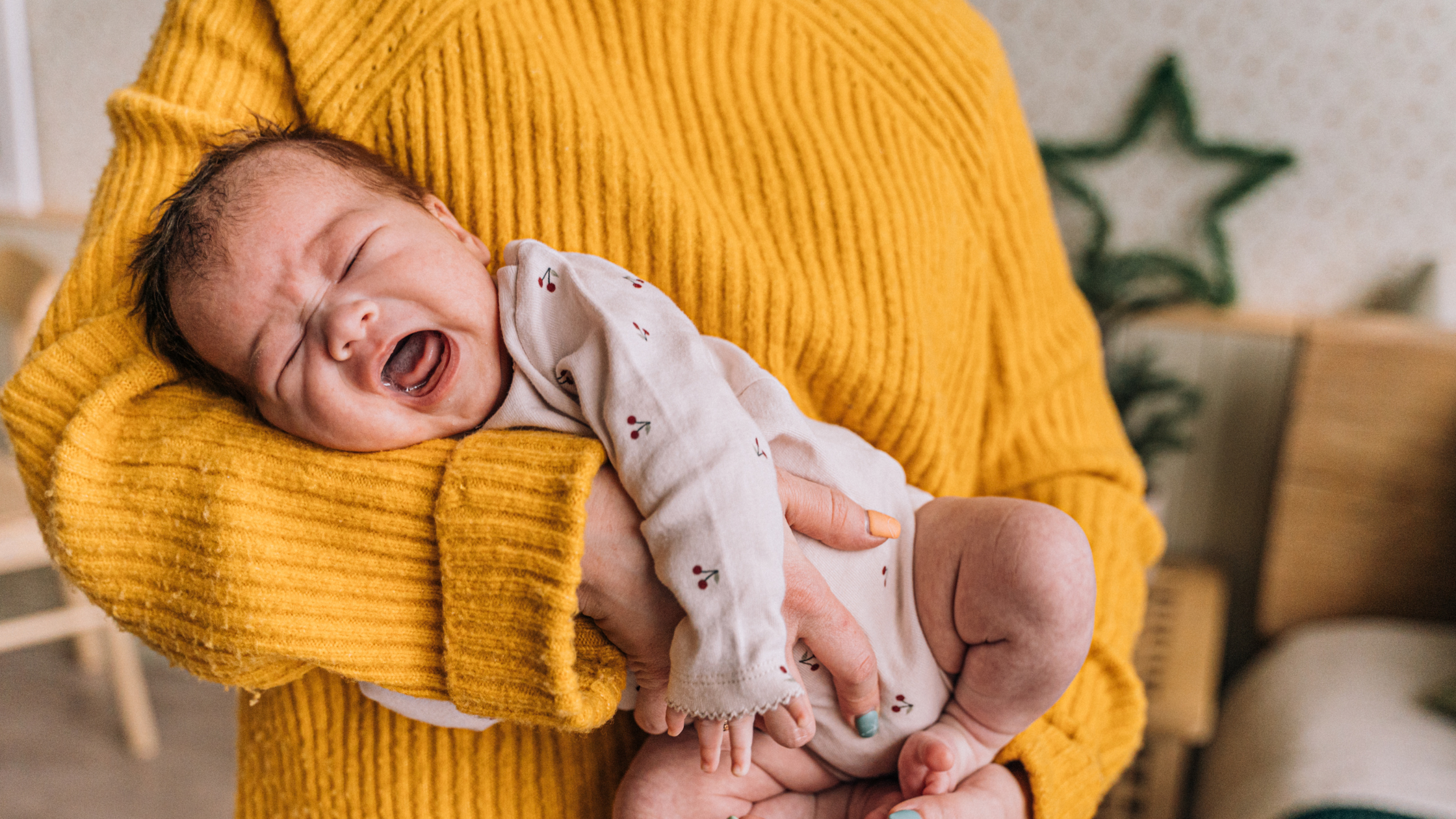
Having a colicky baby can feel like living in a sleepless storm. Just when you think things are calming down, the crying begins again—loud, intense, and seemingly without cause. For exhausted parents, one of the biggest challenges of colic is how it disrupts sleep for both baby and caregiver.
While colic is a temporary phase (most babies outgrow it by 3–4 months), the toll it takes on sleep can be overwhelming. The good news? There are strategies to help you soothe your colicky baby—and create an environment more conducive to sleep for everyone.
Here’s how to navigate the nights and reclaim a bit of rest in the middle of the chaos.
The Sleepy Sweet Spot: When Your Child is Tired—But Not Overtired
One of the trickiest parts of parenting young children is figuring out when to put them to sleep. Miss the window, and your peaceful bedtime might turn into a full-blown meltdown. The secret? Learning to identify your child’s “sleepy sweet spot”—that golden moment when they’re tired enough to fall asleep easily, but not so exhausted that they resist rest altogether.
Here’s how to spot that ideal window and avoid the overtired spiral.
What Is the Startle Reflex in Infants—And How Does It Impact Sleep?
Have you ever watched your peacefully sleeping baby suddenly fling their arms out wide, then pull them back in with a jerk—only to wake themselves up in the process? That’s the startle reflex, a completely normal part of infancy that often disrupts sleep, leaving both babies and parents frustrated and exhausted.
But what exactly is the startle reflex, and what can you do about it? Let’s explore the science behind it, why it happens, and how you can help your baby sleep more soundly despite it.
How to Encourage Relaxation in Infants for Better Sleep
Helping a baby fall asleep—and stay asleep—can feel like one of the biggest challenges of early parenthood. But before babies can drift into dreamland, they first need to feel relaxed, calm, and safe. Creating a soothing, stress-free environment is key to promoting better sleep, and it begins with encouraging relaxation throughout the day and especially before bedtime.
Here’s how to help your baby relax naturally, so they can fall asleep more easily and sleep more soundly.
To Rock or Not to Rock: Rocking Babies or Encouraging Self-Soothing?
One of the classic debates among new parents is whether to rock a baby to sleep or to let them learn to fall asleep on their own. Both approaches have passionate supporters—and for good reason. Understanding the benefits and potential downsides of each can help you find the best fit for your family and baby’s temperament.
Here’s a balanced look at rocking vs. self-soothing to help you decide how to approach those precious bedtime moments.
Tips for Getting Babies and Toddlers to Sleep on Airplanes
Flying with little ones can be intimidating, especially when it comes to sleep. Airplanes are noisy, cramped, and full of distractions—not exactly the ideal sleep environment. But with the right strategies, it is possible to help babies and toddlers nap (or even sleep through the flight), making the journey more pleasant for everyone on board.
Whether you're heading home for the holidays or jetting off on vacation, here are some tried-and-true tips to help your baby or toddler sleep on the plane.
How Sleeping with a Pacifier Can Lower the Risk of SIDS
Sudden Infant Death Syndrome (SIDS) is every new parent’s worst fear. It’s the unexplained death of a healthy baby, usually during sleep, and while its exact causes remain unclear, decades of research have identified several ways to reduce the risk. One surprising—and simple—tool that has emerged from this research? The pacifier.
Yes, that little silicone soother can do more than calm cries. Sleeping with a pacifier has been shown to significantly lower the risk of SIDS. Here's what every parent should know.