
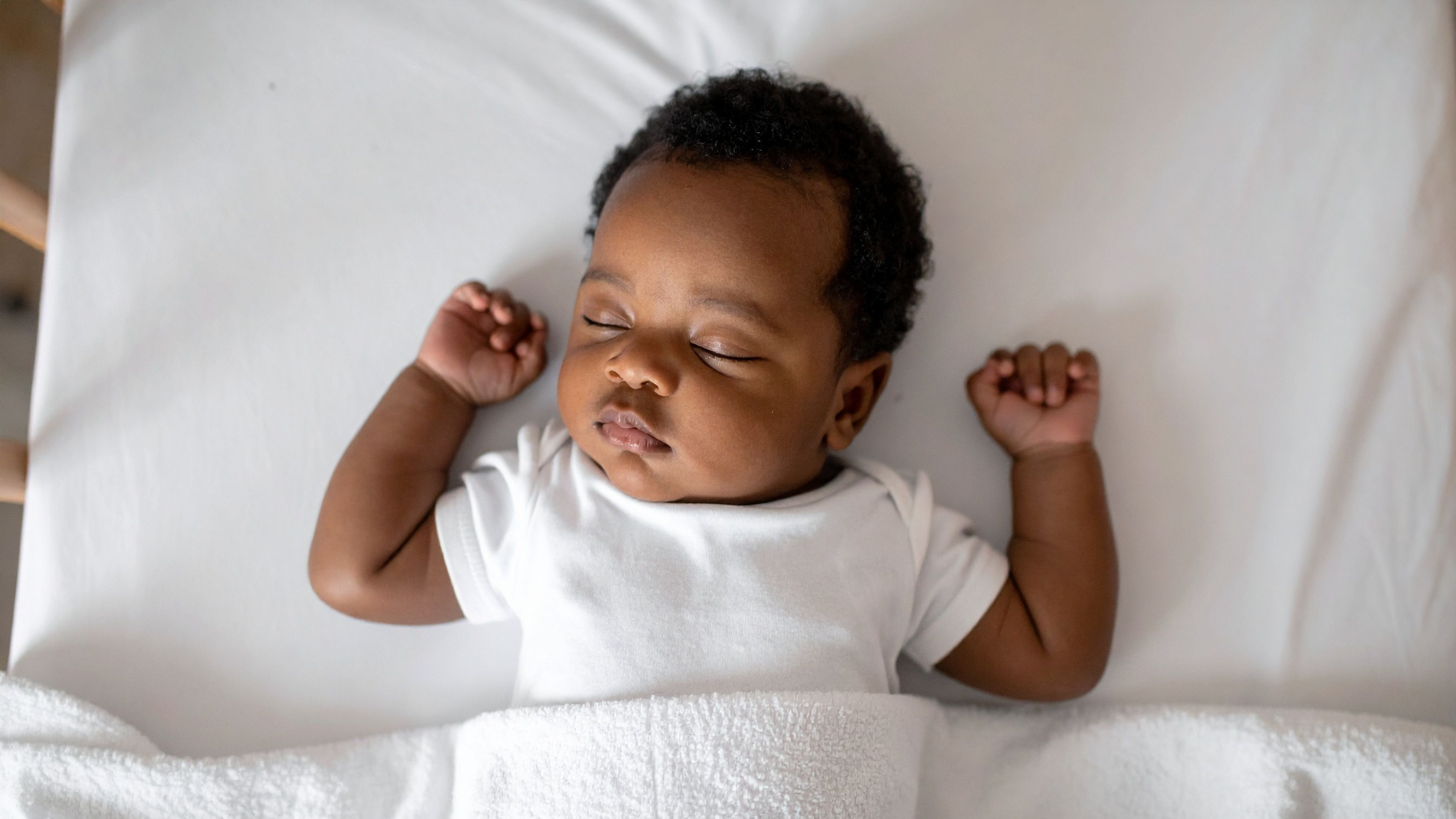
Few topics stir as much emotion—and confusion—as baby sleep. From late-night rocking to debates about sleep training, parents often wonder whether their choices today could shape their child’s emotional world tomorrow. One question that comes up frequently is whether infant sleep habits influence future attachment styles.
The short answer: sleep alone doesn’t determine attachment—but how caregivers respond to sleep does matter.
Let’s unpack what science actually tells us.
What Are Attachment Styles?
Attachment styles describe how humans relate to others emotionally, especially under stress. Rooted in early childhood experiences, attachment is shaped by how consistently and sensitively caregivers respond to a child’s needs.
The four commonly described attachment styles are:
-
Secure attachment: Comfort with closeness and independence
-
Anxious attachment: Heightened fear of abandonment
-
Avoidant attachment: Emotional distance and self-reliance
-
Disorganized attachment: Conflicting or fearful responses to caregivers
Importantly, attachment forms over thousands of interactions, not a single parenting decision.
Why Sleep Is a Powerful Context for Attachment
Sleep is one of the earliest and most repeated moments of distress in infancy. A baby wakes, cries, and signals a need. What happens next—over and over again—helps shape the baby’s expectations of the world.
From an attachment perspective, nighttime awakenings are less about sleep itself and more about responsiveness.
Babies learn:
-
Will someone come when I’m uncomfortable?
-
Are my signals noticed?
-
Does relief follow distress?
These lessons are foundational to emotional security.
Responsive Sleep Practices and Secure Attachment
Research consistently shows that sensitive, predictable caregiving is the strongest predictor of secure attachment. This applies during the day and at night.
Responsive sleep practices can include:
-
Comforting a crying baby
-
Feeding when hungry
-
Providing physical closeness when distressed
-
Adjusting responses as the child develops
This does not mean responding instantly or perfectly every time. “Good-enough parenting”—being responsive most of the time—is more than sufficient for secure attachment to form.
What About Sleep Training?
Sleep training is often framed as an attachment risk, but the evidence is more nuanced.
Studies have found that:
-
Sleep training does not inherently harm attachment when done in a stable, loving environment
-
Secure attachment can coexist with a wide range of sleep strategies
-
Parental emotional availability during the day remains the strongest attachment predictor
What matters most is the overall caregiving climate, not whether a baby cried for short periods during sleep learning.
However, sleep approaches that are rigid, emotionally disconnected, or ignore a child’s developmental needs may feel different to a baby than those grounded in responsiveness and flexibility.
Chronic Sleep Stress and Attachment Risk
Where sleep can become relevant is in the presence of ongoing stress, such as:
-
Prolonged unsoothed distress without support
-
Caregiver emotional withdrawal or burnout
-
Inconsistent or frightening nighttime responses
-
High parental anxiety around sleep
In these contexts, sleep becomes one part of a larger pattern of emotional unpredictability, which may contribute to insecure attachment—not because of sleep itself, but because of relational stress.
Babies, Nervous Systems, and Nighttime Regulation
Infants are born without the ability to self-regulate their nervous systems. They rely on caregivers for co-regulation, especially during transitions like sleep.
Repeated experiences of being soothed help wire the brain for:
-
Emotional regulation
-
Stress tolerance
-
Trust in relationships
Over time, these experiences support independence—not dependence. Paradoxically, babies who feel secure being comforted often become more confident sleepers later.
A Reassuring Takeaway for Parents
Attachment is resilient.
You cannot “ruin” attachment with:
-
Occasional missed cues
-
Trying different sleep approaches
-
Periods of exhaustion
-
Needing your own rest
What shapes attachment is love that is reliable, warm, and repair-oriented.
If a baby cries and a caregiver returns—emotionally and physically—that repair matters more than the cry itself.
The Bottom Line
Baby sleep habits don’t create attachment styles in isolation. Instead, sleep is one of many daily moments where babies learn whether their world is safe, responsive, and predictable.
Focus less on doing sleep “right” and more on being emotionally present, flexible, and compassionate—to your baby and to yourself.
Because in the end, attachment isn’t built in the quiet moments when everything goes smoothly—it’s built in how we respond when things don’t.
If you or someone you know struggles with sleep, please click the orange button below to take a free online sleep test and talk with one of our sleep health professionals.
