ANCSLEEP BLOG

Dos and Don'ts for Baby Night Lights

Posted by Darian Dozier on Dec 25, 2023 8:02:00 PM

Many parents assume that children absolutely need night lights for their rooms. A well placed night light can actually reduce the amount of fumbling that is caused during midnight feedings and changings. However, is a night light distracting to the baby? Is one really necessary in the room? Whenever we talk about environmental necessities for good sleep and adults, we always say that the room needs to be absolutely dark. A night light defeats the purpose of having a super dark room. Therefore you may be questioning what kind of night light you need for your baby, and how you should appropriately place it in the room so that way it does not disrupt your baby's sleep. Therefore, we invite you to continue reading to learn some good dos and don'ts for helping your baby get a good night's sleep with a night light.


Read More
Topics: babysleep

What is a Sleep EEG?

Posted by Darian Dozier on Dec 22, 2023 7:41:00 PM

If you've ever had to go for a polysomnography, they have probably hooked your head up to a bunch of wires. These wires are there to measure brain activity while you are sleeping. The official term for what this test is is an EEG, or an electroencephalogram. The EEG will provide a recording of electrical activity in your brain while you are awake and sleeping. It involves having small electrodes placed around your head which are attached to your scalp using a paste. You may also be asked to breathe deeply or look into a flashlight at some point during the recording. This, also known as activation technique. The test can normally take up to two hours if that's the only thing that you're doing.

People normally get EEG that they struggle with electrical activity, like seizures. EEG's are also useful for determining what stage of sleep people are in. As part of the test, you may also be video recorded to help diagnose your condition. You will be asked to sign the consent form at the beginning of the test to allow for recording of your brain activity and interpretation of the results. Continue reading to learn more about a sleep EEG, who should get one, and what it is like.


Read More

What is Sleep Fragmentation?

Posted by Darian Dozier on Dec 20, 2023 7:30:00 PM

Sleep fragmentation is exactly what it sounds like, fragmented sleep. Fragmented sleep is continually disrupted sleep due to a variety of causes. This is an issue because fragmented sleep leads to less time overall sleeping, and especially less time in more restorative stages of sleeping like deep sleep. It's important to determine the cause of fragmented sleep in order to begin a treatment or recovery plan for it. The interruptions are not considered a sleep disorder, but maybe the manifestations or symptoms of a sleep disorder, which is why it's so important to recognize if you have fragmented sleep and begin the work up to determine why.

Read More

What is the Multiple Sleep Latency Test (MSLT)?

Posted by Darian Dozier on Dec 18, 2023 7:20:00 PM

Excessive daytime sleepiness is characterized by the strong urge to go to sleep during activities in which you should be alert and awake. Have you experienced excessive daytime sleepiness? If so, then your physician might recommend that you undergo sleep-related testing. One of these tests might be the multiple sleep latency test, or MSLT. This can help you measure daytime sleepiness. We will discuss what MSLT can diagnose, who would take the test, preparing for it, with expectations for it, and understanding the results.

Read More

What is Idiopathic Hypersomnia?

Posted by Darian Dozier on Dec 15, 2023 7:07:00 PM

Idiopathic hypersomnia is a chronic neurological disorder that is characterized by an insatiable desire to sleep that is not fulfilled by a regular night of sleep. Those with the idiopathic hypersomnia sleep for longer than the normal amounts of time of sleep each night. However, despite this, they still feel incredibly tired the next day. They may take long naps, but don't feel any better when they wake up. It is almost like they are experiencing untreatable sleep deprivation. Continue reading to learn more about the symptoms, diagnosis, and causes of idiopathic hypersomnia, and what you can do to treat it.

Read More

Dogs and Sleep Apnea

Posted by Darian Dozier on Dec 13, 2023 6:56:00 PM

Although this may sound crazy, sleep apnea can occur in dogs. We normally focus on human sleep experiences, but so many people are intimately connected with their dogs, that they may be curious if their dogs have sleep disorders as well.

Individuals who have breeds like English Bulldogs, French Bulldogs, chihuahuas, pugs, and cavalier King Charles spaniels are all dogs that have a higher rate of sleep apnea than others. Symptoms of sleep apnea in dogs appear similar to those experienced by humans with sleep apnea. However there is no formal classification system for sleep apnea as there is with adults.

Learning the signs of sleep apnea and dogs can help you recognize the signs to see if you should alert your veterinarian to help make any changes to your dog's sleep pattern.

Read More
Topics: Snoring

How to Reduce Snoring

Posted by Darian Dozier on Dec 11, 2023 6:38:00 PM

Snoring may be a regular night time activity for you, and you may be at the point where you're wondering how to make it stop. If this is you, then you are not alone. Of adults between the ages of 30 and 60 years old, 44% of men and 28% of women snore. Over the age of 60, about half of all people snore regularly.

Snoring is the sound that happens when air passes through your airway when it's partially blocked. Tissues that are at the top of your airway, like you're arytenoids, can touch each other, vibrate, causing snoring.

Pretty much all adults snore occasionally. For most people, snoring is not really that embarrassing or problematic. However, for others, snoring can indicate a serious underlying health issue like obstructive sleep apnea. Different people snore for different reasons, but at the end of the day, each individual would probably rather learn how to stop snoring. Continue reading to learn what are some things that you may be able to do to help you stop snoring.

Read More
Topics: Snoring

Painsomnia is Stealing 51.5 Minutes. What to do About it?

Posted by Darian Dozier on Dec 8, 2023 6:21:00 PM

Painsomnia, or insomnia caused by chronic pain, is a reality for many Americans. One small injury can manifest into a chronic injury that disrupts your sleep for the rest of eternity. Dealing with this can be insufferable as painsomnia seems to be stealing almost an hour of sleep from individuals.

According to the Sleep Foundation, out of a survey of 1200 adults, 95% of them say that they have lost at least an hour of sleep due to pain in the past week. The vast majority say that pain can cost them at least two hours of sleep each night. On average, respondents say that they are losing six hours of sleep per week to pain. This averages out to nearly an hour, or 51.5 minutes each night of sleep lost to pain.

Adults who have pain averaged about 6.7 hours of sleep a night. This is below the recommended 7 to 9 hours of sleep that each adult should be getting every night. A majority of adults do not reach the seven-hour minimum, and due to other causes outside of pain. Adults who do have pain, however, are also dealing with pain on top of the normal interruptions to sleep. This means that they may be getting even less sleep that is required compared to adults who don't deal with pain. According to a study, 25.4% of adults experienced chronic pain. There was a higher prevalence in women and white adults. Continue reading to learn more about how to cope with painsomnia. 

Read More

Allergens that Impact Sleep

Posted by Darian Dozier on Dec 6, 2023 6:07:00 PM

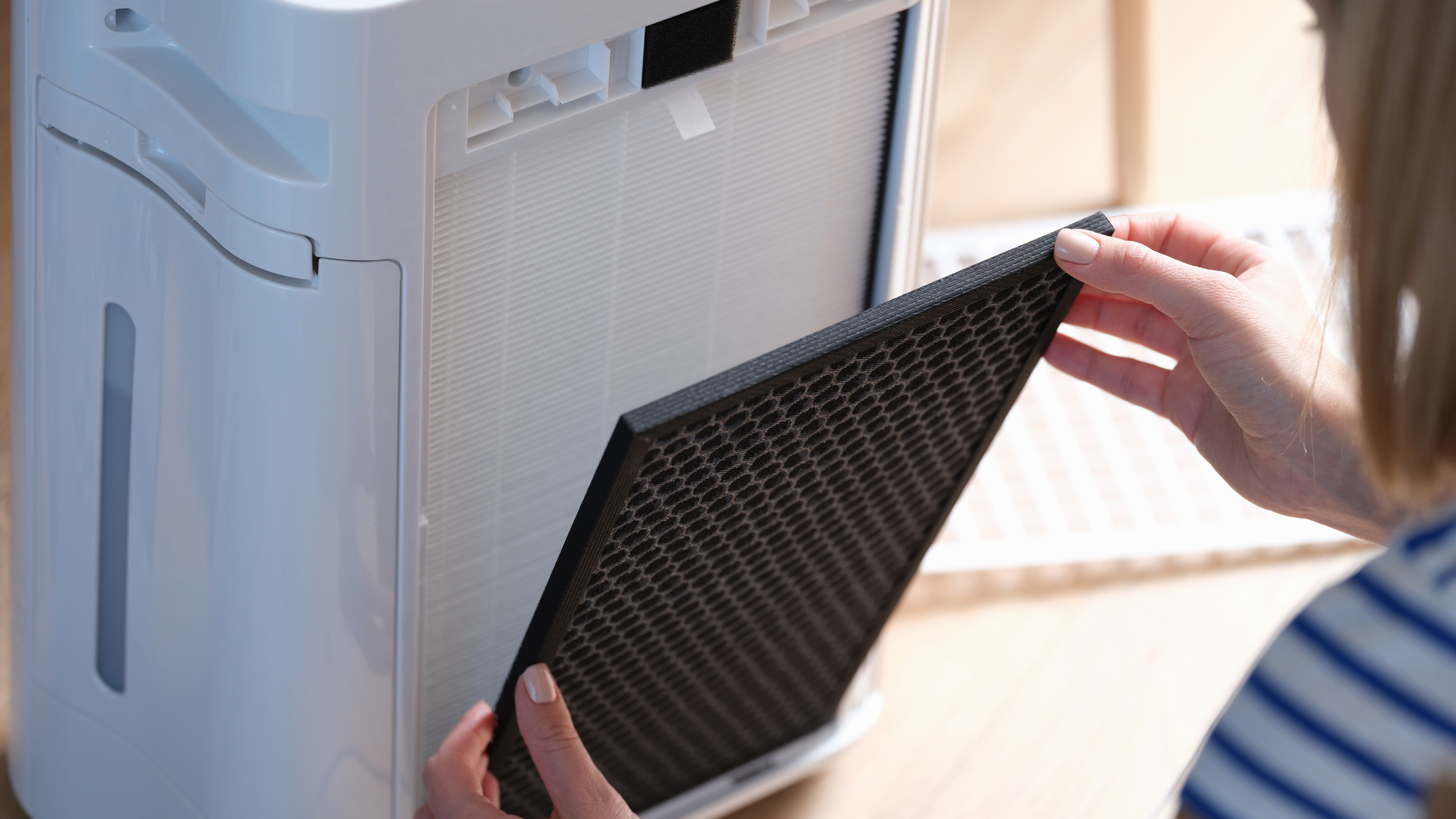
Allergic rhinitis can affect up to one fifth of adults in the US, and it's probably more common in childhood. It is caused by a sensitivity to allergens that can include dust mites, pet dander, pollen, mold, and allergic rhinitis. All of these can have a negative impact on one sleep and quality of life. Continue reading to learn more about how chronic rhinitis and allergens can negatively impact sleep, and what you can do about it to get a good night's rest.

Read More
Topics: allergies

What is the Epworth Sleepiness Scale and How to Use it to Help You?

Posted by Darian Dozier on Dec 4, 2023 5:56:00 PM

Up to a fourth of the people in the United States experience excessive daytime sleepiness. Excessive daytime sleepiness is the sensation of feeling incredibly tired, as if you can't keep your eyes open. It is a symptom that can impact a person's daily life by impairing concentration, reducing their ability to perform well at work in school, and increasing the risk of accidents.

One way to determine if you have excessive daytime sleepiness is by using the Epworth Sleepiness Scale. The ESS is a tool that can help doctors determine if you have drowsiness that is of concern or is just a manifestation of poor sleep habits at night. This simple questionnaire is used to determine how a person's sleepiness affects their everyday life.

For people who are concerned about their ability to stay alert during the day, using the ESS, knowing how it works, and knowing what the results mean can help you learn more about your own health. It can also help you engage with conversations with your physician about what your symptoms mean and what to do next period continue reading to learn more about the ESS and how to use it in your journey towards getting a good night's sleep.

Read More

Subscribe to Email Updates

Recent Posts

Posts by Topic

see all