ANCSLEEP BLOG

How to Know if You Have a Sleep Disorder in Alaska

Posted by Tyler Britton on Sep 9, 2020 8:00:00 AM

Should I Be Worried I Have a Sleep Disorder?

Some sleep disorders are actually fairly common and they all have one similarity: they disrupt healthy sleep.

Chronic sleep disruptions have the uncanny effect of making you the “less optimal” version of you. Sometimes, chronic sleep disruption can even make you feel and behave like a completely different person.

If you are reading this, you might be wondering if you have a sleep disorder or problem. Here are causes and symptoms of the most common sleep disorders.

Read More
Topics: Sleep Disorders

Sleep Debt Growing This Alaskan Summer? What to Do

Posted by Tyler Britton on Sep 8, 2020 8:00:00 AM

What is a Sleep Debt?

You’ve probably heard of the term “sleep debt.” It’s the term that refers how much less sleep you are getting than what you should be getting. The idea is that over time, a “sleep debt” forms that you need to get extra sleep to “pay back” your debt. To list it more succinctly:

  • Your body requires a certain about of sleep, which is different depending on your age
  • As you get less sleep than required, you become sleep deprived
  • This sleep deprivation causes a “debt” which you have to “pay” by sleeping more than the required amount

For example, if you should be sleeping 7 hours per night, and the last three nights you have slept 6 hours each night, then your “sleep debt” would be 3 hours. It’s important to understand sleep debts because they are more complex and nuanced than the above bullet points.

Even the term “sleep debt” is a bit misleading because you can’t “repay” a sleep debt like you repay a loan. Namely, you can’t just get a bunch of sleep one night and repay your sleep debt. It doesn’t work this way.

Read More
Topics: Sleep debt

Two Sleep Disorders Alaska Contributes to Most

Posted by Tyler Britton on Sep 7, 2020 8:00:00 AM

Why Alaska is Tough on Sleep

Living in Alaska poses unique sleeping challenges most months out of the year. Other than a few months out of the year between “spring” and “fall” in Alaska, we are dealing with darkness that lasts most, or all, of the day, or light that lasts most, or all, of the night.

These extreme light conditions present sleep challenges that are:

  • Sociological
  • Psychological
  • Physiological
  • Habitual

These challenges may come from changes in physical or social habits, mental responses to the extreme lighting conditions, or habits that change with the darkness. The two main challenges for people living in Alaska are:

Let’s look at how extreme light in Alaska poses these two risks.

Read More

Everything You Should Know About Sleep Studies

Posted by Tyler Britton on Sep 4, 2020 8:00:00 AM


Why Would I Need a Sleep Study?

Sleep studies are important diagnostic tools for common sleep disorders like sleep apnea, insomnia, circadian rhythm disorders. Sleep studies have proven to be particularly important in Alaska where the extreme darkness and lightness tend to either cause or worsen sleep disorders.

Generally, sleep studies are used when:

  1. You feel there are major “red flags” in your ability to get healthy sleep but don’t know what the problem is
  2. You need to confirm a specific sleep disorder diagnosis

Sleep studies are non-invasive and painless. They monitor:

  • Brainwave activity
  • Eye movement
  • Muscle movement
  • Heart activity
  • Breathing
  • Blood oxygen level

In a sleep study, you will conduct your sleep study over night at our facility.

Read More
Topics: sleep study

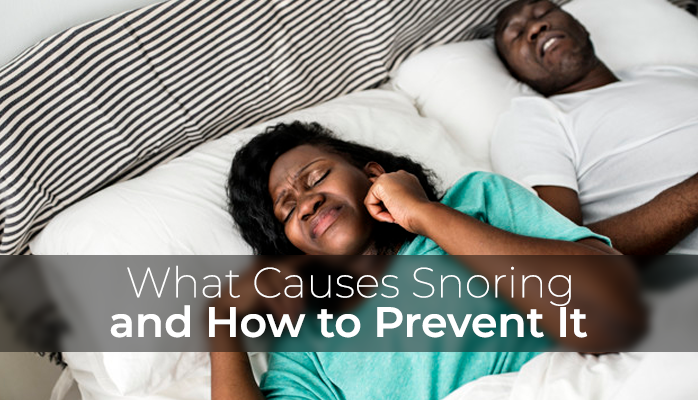
Why Do I Snore? – Causes of Snoring and Ways to Fix It

Posted by Tyler Britton on Sep 3, 2020 8:00:00 AM

Normal vs. Socially Unacceptable Snoring

Does your partner wear earplugs to ward off the blows of your nightly, nasally snores? Is your snoring a common joke among family members?

These are all signs that you have a snoring problem. Why do we call it a problem? For one, it’s disruptive – maybe not for you, but certainly for anyone who has to sleep in the same room or house as you. Secondly, snoring may also be the primary sign in deeper underlying condition that can impact your quality of life.

The difference between occasional snoring and a snoring problem are fairly easy to identify:

  • Others around you (e.g. spouse, partner) change their habits to mitigate your snoring
  • Your partner’s sleep is impacted
  • It’s well known that you are a snorer
  • You snore most nights

When it is a problem, it’s definitely worth look at a little closer to see what might causing it, and how you might prevent it.

Read More
Topics: Snoring

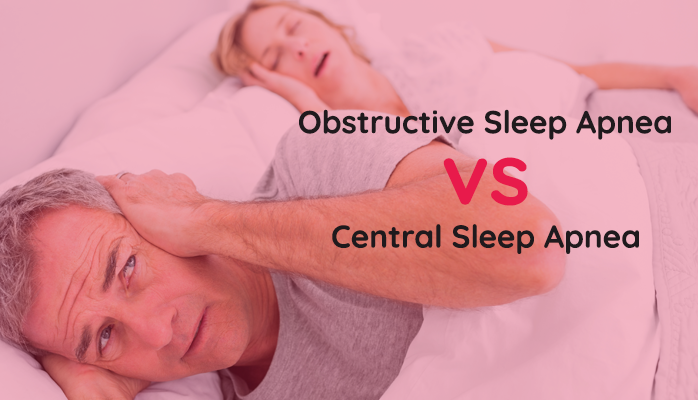
Ways to Tell If It’s Obstructive Sleep Apnea or Just Loud Snoring

Posted by Tyler Britton on Sep 2, 2020 8:00:00 AM

Importance of Just Snoring vs Obstructive Sleep Apnea

Chronic, loud snoring may be a bigger personal problem than just a nuisance for other people who have to listen to your nightly nasally noises. In other words, while their sleep might be disrupted, your snoring might be caused by a medical condition called sleep apnea, which can have significant health consequences. Or, maybe you are just a loud, chronic snorer.

Knowing the difference and telltale signs between loud snoring and sleep apnea is important, as identifying the potential problem underlying your chronic snoring is the first step to getting healthy again.

Read More
Topics: OSA, Sleep Apnea, Snoring

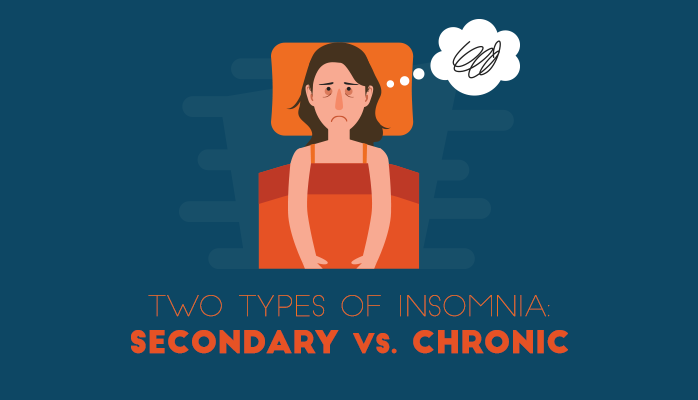
Primary vs Secondary Insomnia: What’s the Difference?

Posted by Tyler Britton on Sep 1, 2020 8:00:00 AM

What Does Insomnia Look Like?

Insomnia is a sleeping disorder that prevents you from getting enough sleep because:

  • You have trouble falling asleep
  • You have trouble staying asleep throughout the night
  • You wake up much earlier than you want

If you have insomnia you never feel like you are getting enough rest – probably because you aren’t. To say the least, it’s frustrating to not be able to sleep when you want to, and there are a whole host of risks associated with sleep deprivation.

Read More
Topics: Insomnia

Ideal Sleeping Environment in Alaskan Summers

Posted by Tyler Britton on Jul 6, 2020 7:50:00 PM

Overview of Ideal Alaskan Summer Sleeping Environment

Creating an ideal sleeping environment is absolutely essential to getting a good night’s rest. It can also play a crucial role in the process of identifying and diagnosing a sleep disorder (or ruling it out). A sleep environment is, unfortunately, not something many people think about when they think about having sleeping problems. The common reaction is to instead reach for a sleep aid, such as melatonin. But an ideal sleeping environment can make all the difference in the world.

Having a good sleep environment means setting one up. The primary elements to have in a proper sleep environment are:

  1. A dark room
  2. A quiet room
  3. No blue light (televisions, computers) – keep them out!
  4. Nice sleeping apparel (sheets, pillows, mattresses)
  5. A nice smelling room

Does your room hit all of these marks? If not, then that might be the cause of any sleep issues you are having. Let’s look at each of these in more detail.

Read More

How to Adjust Sleep During Alaskan Summers

Posted by Tyler Britton on Jul 1, 2020 7:43:00 PM

Why Sleeping in Alaskan Summers in Difficult (If it Isn’t Obvious)

Alaska is a big state. It’s particularly big from north to south, spanning a total 1,300 miles. Because this state is so big, there are differences in what the north and south experience. Southern parts of Alaska have summer light transitions that are uncomfortable but not drastically different than much of the northern part of the lower 48. From Anchorage on up, however, the transition ranges from drastic to as extreme as it gets.

How much you have to prepare for your transition, and how much it may affect you, largely depends upon:

  • How far north you are
  • How sensitive you are to light
  • Perhaps most importantly, what existing measures you have taken to normalize your circadian rhythm during the winter

On the last bullet point if you have been diligent about any of the following, the transition will likely be easier:

  • Using light therapy
  • Maintaining pre-sleep rhythm
  • Having consistent exercise and eating/drinking habits
  • Vitamin D therapy

Read More

How to Grade Your Sleep Quality

Posted by Tyler Britton on Apr 29, 2020 8:00:00 AM

Sleep Quality vs Quantity

What is your sleep GPA? No that is not a typo. Your sleep grade point average. This measurement matters to us for most things, but for some reason when it comes to sleep, we generally only report on how many hours we got the night before. Sleep is much more complex and nuanced than this, and it's important to take a closer look.

Sleep is essential to the body. During sleep, the body has a chance to repair, prune and strengthen neural connections, reduce inflammation, and a whole host of other important bodily functions. Without it, people wouldn’t be able to function. It occupies approximately 1/3 of a human’s life, so even just as a percentage, sleep is extremely important.

When asked how they slept, people often respond with a statement about how many hours of sleep they got. Like many things in life, quantity doesn’t capture the whole picture. Sleep is no different. Keeping tabs on how many hours of sleep per night is a great place to start when taking inventory, but it doesn’t capture some of the most important aspects of sleep.

Read More
Topics: sleep health

Subscribe to Email Updates

Recent Posts

Posts by Topic

see all