ANCSLEEP BLOG

CPAP Therapy Q/A

Posted by Tyler Britton on Dec 17, 2020 8:00:00 AM

Be comfortable with CPAP Therapy

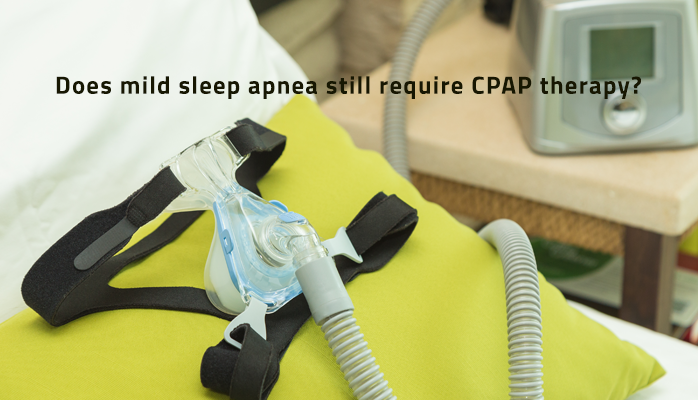
CPAP is often scary for people who are concerned they have obstructive sleep apnea or have already been diagnosed with it. After all, it doesn’t exactly look comfortable. People who already use it sometimes struggle with ensuring that their CPAP is effective. Let’s look at the main ideas behind:

  • What a CPAP is
  • What CPAP therapy is used for
  • How to keep your CPAP effective
  • How to maintain your CPAP
  • Additional CPAP Tips

Read More
Topics: CPAP

Why Sleep is Key for Thriving in Life

Posted by Tyler Britton on Dec 16, 2020 8:00:00 AM

Sleep and Wellbeing

“Wellbeing”, much like the word “happiness,” means so many different things to different people. That being said, we might all generally agree that “happiness” involves having a sense of satisfaction and healthfulness with our day to day lives. You could contrast this with feeling poorly, discouraged, and melancholic every day.

Anyone who has felt exhausted before, which includes everyone, knows how miserable it is. When we are exhausted, our best hope is usually to simply “get by.” Wellbeing cannot happen under such circumstances.

Wellbeing is a product of most of the following:

  • Emotional health
  • Mental performance
  • Productivity
  • Physical health
  • Physical performance

Chronic sleep deprivation inhibits or cripples each of these core areas (depending on how bad the deprivation is) of wellbeing. Chronic sleep deprivation is most commonly caused by:

  • Sleep apnea
  • Insomnia (caused by stress, medical conditions, or unknown factors)
  • Parasomnias
  • Restless leg syndrome
  • Circadian rhythm disorders

Let’s look at the critical ways sleep affects your sense of well being.

Read More
Topics: Well-Being

Relationship Between Pain and Sleep

Posted by Tyler Britton on Dec 15, 2020 8:00:00 AM

How much pain are we in?

Pain-related sleep loss is a real thorn in the side of most adults in America. The 2015 Sleep in AmericaTM Poll found that 21% of Americans experience chronic pain. It also found that 36% of people have experienced acute pain in the last week.

The bottom line? It indicates that more people were in pain than weren’t in pain within the last week. If you are reading this, you are likely in the majority (pain) category.

The question is why we are in so much pain. Some common factors crop up:

  • Desk jobs (sitting all day) is not good for our health
  • We are spending record amounts of time sitting in front of screens rather than being active
  • We have an epidemic of obesity, and weight is a strong contributing factor to chronic pain
  • Stress is a considerable factor in people’s lives and also is a strong contributor to pain
  • Sports and high activity leads to injuries
  • Finally, some of us are unlucky with genetics and inherit weak backs, necks, knees, etc.

The question is, beyond being a nuisance in your life, what else is wrong with pain?

Read More
Topics: Pain and Sleep

The Relationship Between Chronic Sickness and Sleep Disorders

Posted by Tyler Britton on Dec 14, 2020 8:00:00 AM

The relationship between your immune system and sleep

Your immune system and sleep are intimately connected. Sleep loss impacts your immune response and, in turn, your immune system alters your sleep. If you are trying to avoid getting sick, consistent long and quality sleep will be one of your primary methods of preventing illness and ensuring optimal recovery.

Molecules called cytokines are signaling molecules in the immune system and the brain. Sleep deprivation decreases your body’s production of cytokines and inhibit your immune response to illness. Such as:

  • Flu
  • Colds
  • Chronic illness

Specifically, lack of sleep prevents your immune system from building up its forces, meaning that your immune system will be overloaded by illness and will likely take longer to recover.

During illness, increased levels of pro-inflammatory cytokines correspond with increased fatigue, which is why you feel tired when you are sick. It’s your body’s way of telling you to sleep more and recover quicker from your illness.

Read More

How Long Will I Need CPAP Therapy?

Posted by Tyler Britton on Dec 10, 2020 8:00:00 AM

What is Obstructive Sleep Apnea (OSA)?

Obstructive sleep apnea is a medical condition and sleeping disorder where you repeatedly stop breathing throughout the night, anywhere from 5 times per hour up to 30+ times per hour. Each time you stop breathing you wake up to begin breathing again, though in the morning you will not remember this.

Your throat becomes blocked because your breathing muscles in the back of your throat relax, causing the back of your throat to collapse fully or partially, blocking your airways. Each blockage/arousal cycle is called an apnea or apnea event.

Read More
Topics: CPAP

The Link Between Sleep and Erectile Dysfunction

Posted by Tyler Britton on Dec 9, 2020 8:00:00 AM

How sleep deprivation affects sex

Sleep deprivation can greatly affect a male’s sexual drive. Specifically, it can quickly result in Erectile Dysfunction (ED). The fact that sleep deprivation can cause ED is usually quite shocking, and may be good news for men who are suffering with ED but don’t know why.

Sleep deprivation is caused when you get less than your optimal sleep period, which for adults is 7-9 hours per day. A couple nights of sleep deprivation is not likely to cause ED, though you may feel a decrease in libido during that time period.

However, chronic sleep deprivation, such as sleep deprivation caused by sleep disorders, can cause ED in men.

Read More
Topics: Sexual Health

How Sleep Patterns Change as you Age

Posted by Tyler Britton on Dec 8, 2020 8:00:00 AM

What are the changes to sleep as we age?

As an adult, you should be averaging between 7-9 hours of sleep every day. These figures are extensively researched and you should be dubious when someone says that they can do fine with 5 hours of sleep.

The keyword here is 7-9 hours every day, not necessarily at night. People who sleep 4-5 hours at night will need to supplement their sleep with naps in order to get the necessary sleep. When you are younger, you likely had little trouble getting at least 7 hours of uninterrupted sleep every night. But your sleep pattern changes as you age, and after 65 years of age, the idea of getting 7 straight hours of sleep may sound impossible.

Generally speaking, as you get older, your sleep pattern changes in the following ways:

  • You will likely sleep less than 7 hours at night
  • Your sleep may feel less restful during the night
  • You may be more inclined to nap
  • The times that you go to bed and wake up will also likely change

While your pattern might change, your need for getting a certain amount of sleep won’t change. These changes happen for life reasons (stress, children, jobs), hormonal changes, and natural physiological changes that make you more susceptible to certain sleep disorders.

Read More
Topics: Sleep and Age

5 Symptoms Common to Depression Sleep Deprivation

Posted by Tyler Britton on Dec 7, 2020 8:00:00 AM

Depression and sleep deprivation symptom similarity

It may seem like identifying sleep deprivation would be obvious, or that the only symptom of lack of sleep is being tired. This list is intended to help you take measured stock of some of the most common symptoms of sleep deprivation, to help you identify whether or not you may be operating at a suboptimal level due to chronic sleep deprivation, depression, or both.

Read More
Topics: Depression

How to Deal with Stress: Sleep!

Posted by Tyler Britton on Oct 14, 2020 8:00:00 AM

Life is busy and can cause different stressors to compile and add up. When stress compounds, it can cause disruptions in many areas of life, especially sleep. Managing sleep patterns well can relieve some of the burden of stress and help keep you going during questionable times.

Read More

Ways to Avoid Sleeping While Driving

Posted by Tyler Britton on Oct 12, 2020 8:00:00 AM

Stay safe on the road

Many people have felt that scary feeling of drifting slightly to sleep while driving, only to perk up with a start. Or that scary feeling of hearing though warning on the side rumbling your tires. Especially for shift workers, sleeping at the wheel is one of the main causes of death.

If you drive often, work as a commercial truck driver, or have a longer commute, these tips and tricks could be highly useful for you

Read More
Topics: Shift work

Subscribe to Email Updates

Recent Posts

Posts by Topic

see all