
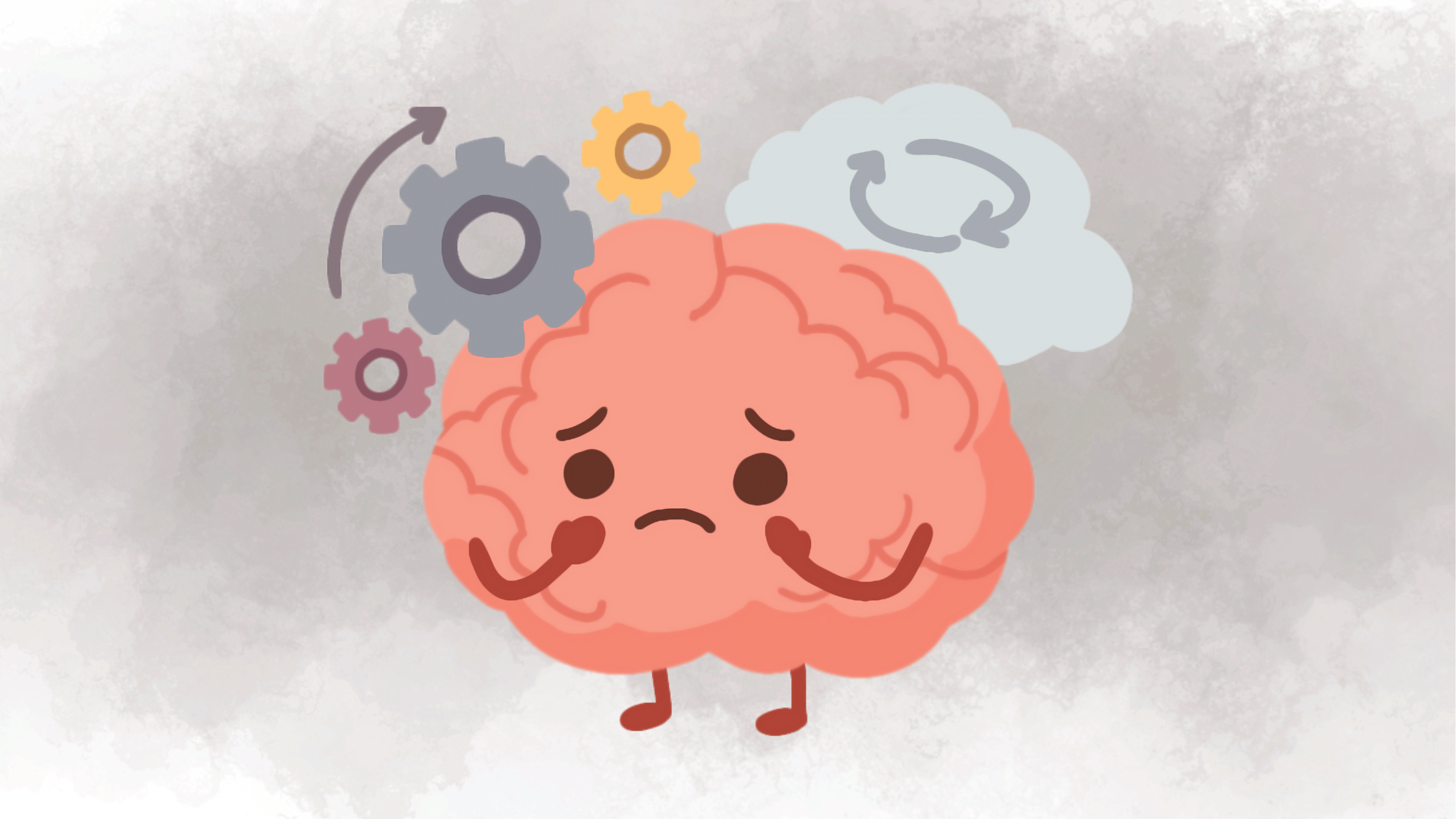
Compulsivity—repetitive behaviors that feel difficult or impossible to stop—plays a central role in conditions such as obsessive-compulsive disorder (OCD), addiction, binge eating, and problematic technology use. While compulsive behaviors are often viewed through a psychological or behavioral lens, sleep is a powerful and frequently overlooked biological driver of compulsivity.
Sleep loss does not just make people tired—it alters the brain systems responsible for impulse control, reward processing, and habit formation, increasing vulnerability to compulsive behaviors.
What Is Compulsivity?
Compulsivity involves:
-
Repetitive behaviors performed to reduce distress or tension
-
A sense of loss of control over behavior
-
Short-term relief followed by guilt, anxiety, or regret
Neurobiologically, compulsivity reflects an imbalance between:
-
The prefrontal cortex, responsible for planning and inhibition
-
The striatum and limbic system, which drive habits and reward-seeking
Sleep plays a key role in maintaining balance between these systems.
How Sleep Loss Fuels Compulsive Behavior
1. Impaired Inhibitory Control
Sleep deprivation weakens the prefrontal cortex, reducing the brain’s ability to:
-
Pause before acting
-
Suppress urges
When this “top-down” control is compromised, habitual and compulsive behaviors more easily take over.
2. Heightened Reward Sensitivity
Poor sleep increases activity in reward-related regions such as the nucleus accumbens and striatum. This leads to:
-
Greater sensitivity to immediate rewards
-
Stronger cravings for substances, food, or digital stimulation
-
Reduced satisfaction from normal rewards
As a result, the brain seeks stronger or more frequent stimulation—fueling compulsive cycles.
3. Emotional Dysregulation and Negative Reinforcement
Sleep deprivation heightens negative emotions and stress reactivity. Compulsive behaviors often serve as a way to temporarily escape:
-
Anxiety
-
Emotional discomfort
When sleep is poor, the emotional “baseline” is already elevated, making compulsive behaviors more likely as a coping strategy.
4. Disrupted Habit Learning and Flexibility
Healthy sleep supports cognitive flexibility—the ability to adapt behavior when circumstances change. Sleep loss:
-
Strengthens rigid habit loops
-
Reduces sensitivity to negative outcomes
-
Makes behaviors harder to extinguish
This contributes to the persistence of compulsive patterns even when they are no longer rewarding.
The Role of REM Sleep in Compulsivity
REM sleep is especially important for emotional regulation and reward learning. Disrupted REM sleep has been linked to:
-
Increased impulsivity
-
Stronger emotional memory encoding
-
Reduced ability to decouple emotions from behaviors
Conditions that fragment REM sleep—such as stress, alcohol use, or sleep apnea—may therefore increase compulsive tendencies.
Compulsivity Disrupts Sleep
The relationship is bidirectional. Compulsive behaviors often interfere with sleep by:
-
Delaying bedtime (e.g., late-night scrolling, gaming, substance use)
-
Increasing physiological arousal before sleep
-
Triggering guilt or anxiety that disrupts sleep onset
Over time, this creates a self-reinforcing loop where poor sleep and compulsive behavior perpetuate one another.
Long-Term Consequences
Chronic sleep deprivation may contribute to:
-
Worsening OCD symptoms
-
Difficulty breaking behavioral habits
-
Reduced effectiveness of therapy
Notably, sleep deprivation has been shown to reduce response to cognitive behavioral therapies that rely on learning and inhibition.
Improving Sleep as a Tool for Reducing Compulsivity
While sleep alone is not a cure, improving sleep quality can significantly reduce vulnerability to compulsive behaviors. Helpful strategies include:
-
Establishing consistent sleep and wake times
-
Addressing insomnia or circadian rhythm disruption
-
Reducing evening exposure to highly stimulating activities
-
Treating underlying sleep disorders
For many individuals, improved sleep restores inhibitory control and emotional balance—making behavioral change more achievable.
The Bottom Line
Compulsivity is not solely a failure of willpower. It is deeply influenced by brain biology, and sleep is one of its most powerful regulators. When sleep is disrupted, the brain shifts toward habit-driven, reward-seeking behavior at the expense of self-control.
Protecting sleep is therefore a foundational—though often underestimated—step in reducing compulsivity and supporting long-term behavioral change.
If you or someone you know struggles with sleep, please click the orange button below to take a free online sleep test and talk with one of our sleep health professionals.
