
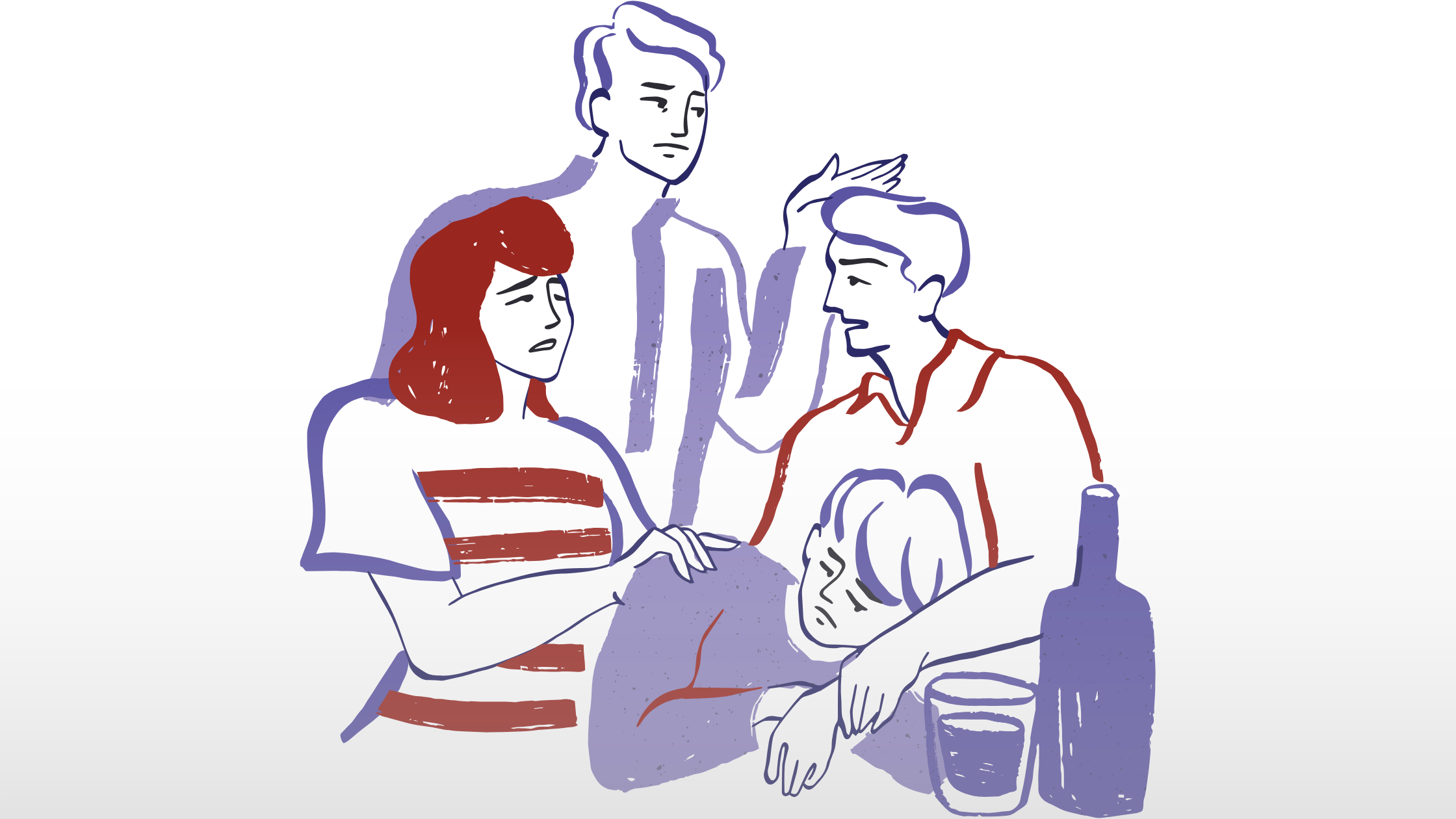
Sleep deprivation is often treated as an inconvenience—something to power through with coffee and determination. But when sleep loss becomes chronic, its effects extend far beyond fatigue. One of the most significant and underrecognized consequences of insufficient sleep is its powerful influence on addictive behaviors.
From substance use to compulsive habits like overeating, gambling, or excessive screen use, sleep deprivation alters the brain in ways that increase vulnerability to addiction, relapse, and loss of impulse control.
How Sleep Deprivation Changes the Brain
Sleep plays a critical role in maintaining balance between the brain’s reward system and its executive control center. When sleep is restricted, this balance shifts.
The prefrontal cortex—responsible for judgment, impulse control, and decision-making—becomes less active. At the same time, the brain’s reward circuitry, particularly dopamine-driven pathways involving the nucleus accumbens, becomes more reactive.
This combination creates a perfect storm:
-
Reduced ability to resist urges
-
Heightened sensitivity to rewards
-
Increased craving for immediate gratification
In short, the brain becomes more impulsive and less capable of regulating behavior.
Dopamine, Reward, and Craving
Dopamine is central to motivation and reward learning. Sleep deprivation disrupts dopamine signaling, making pleasurable stimuli feel more enticing while simultaneously reducing satisfaction once obtained.
This mismatch drives repeated seeking behavior—one of the hallmarks of addiction. Individuals may find themselves consuming more of a substance or engaging longer in a behavior without experiencing the same reward, fueling escalation.
Sleep-deprived brains also struggle to learn from negative consequences, making it harder to break harmful patterns.
Increased Risk of Substance Use
Research consistently shows that insufficient sleep is associated with increased use of substances, including:
-
Stimulants such as caffeine or non-prescribed ADHD medications
-
Cannabis and other recreational drugs
Sleep loss lowers the perceived risk of substance use and increases sensation-seeking behavior. Alcohol is often used to induce sleep, but it fragments sleep architecture, worsens REM sleep, and leads to early awakenings—deepening the cycle of deprivation and use.
Sleep Deprivation and Relapse Risk
For individuals in recovery, sleep deprivation is a major relapse trigger. Poor sleep increases stress sensitivity, emotional reactivity, and craving intensity, while simultaneously impairing coping skills.
Even short periods of sleep restriction can:
-
Intensify drug or alcohol cravings
-
Reduce motivation for recovery behaviors
-
Impair judgment during high-risk situations
This is why untreated insomnia is one of the strongest predictors of relapse across multiple substance use disorders.
Behavioral Addictions and Compulsive Habits
The link between sleep deprivation and addiction extends beyond substances. Insufficient sleep increases vulnerability to behavioral addictions such as:
-
Excessive gaming or social media use
-
Online shopping and gambling
-
Pornography or compulsive sexual behaviors
Sleep loss increases reward-seeking while weakening impulse control, making it harder to disengage once a behavior has started. Late-night wakefulness also creates unstructured time—prime conditions for compulsive habits to flourish.
Emotional Regulation and Stress
Sleep deprivation impairs emotional regulation, increasing anxiety, irritability, and depressive symptoms. These emotional states often drive addictive behaviors as a form of self-soothing or escape.
Without adequate sleep, the brain struggles to tolerate discomfort. Addictive behaviors temporarily relieve distress, reinforcing their use as a coping mechanism—even when long-term consequences are harmful.
The Vicious Cycle of Sleep and Addiction
Addictive behaviors themselves further disrupt sleep, creating a self-reinforcing loop. Substances and compulsive behaviors alter circadian rhythms, fragment sleep, and reduce restorative sleep stages.
This leads to:
-
Daytime fatigue
-
Greater reliance on addictive behaviors
Over time, both sleep and self-control erode together.
Adolescents and Young Adults: A High-Risk Group
Adolescents and young adults are particularly vulnerable to the sleep-addiction connection. Ongoing brain development, combined with social pressures, academic demands, and irregular sleep schedules, increases susceptibility to risk-taking and substance use.
Early sleep deprivation may prime the brain for long-term addictive patterns by altering reward processing during critical developmental periods.
Improving Sleep as Addiction Prevention and Treatment
Addressing sleep is not optional in addiction prevention or recovery—it is foundational. Improving sleep strengthens executive function, reduces craving intensity, and enhances emotional resilience.
Effective strategies include:
-
Establishing consistent sleep and wake times
-
Treating insomnia with cognitive behavioral therapy for insomnia (CBT-I)
-
Limiting late-night screen exposure
-
Avoiding substances used solely as sleep aids
-
Creating structured evening routines that promote wind-down
For individuals in recovery, prioritizing sleep can significantly reduce relapse risk and improve treatment outcomes.
Sleep Is a Protective Factor
Adequate sleep enhances self-control, emotional regulation, and decision-making—three pillars of addiction resistance. While sleep alone cannot eliminate addiction, chronic sleep deprivation dramatically increases vulnerability.
Protecting sleep is not a passive act of rest. It is an active investment in brain health, behavioral regulation, and long-term recovery.
If you or someone you know struggles with sleep, please click the orange button below to take a free online sleep test and talk with one of our sleep health professionals.
