ANCSLEEP BLOG

Causes of Excessive Daytime Sleepiness

Posted by Tyler Britton on Feb 27, 2020 8:00:00 AM

Signs of Sleep Deprivation

Experiencing extreme tiredness during the day is a clear indication that you are lacking sufficient sleep. It is widely recommended that adults aim for at least 7 hours of sleep per night, as numerous studies have confirmed its importance. When you consistently fall short of this sleep goal, you enter a state of sleep deprivation.

Probably the biggest sign of sleep deprivation is excessive daytime sleepiness. Other common signs of sleep deprivation include:

  • General, abnormal irritability and/or short temper
  • Reduced ability to manage stress
  • Onset/aggravated anxiety and depression
  • Impaired cognitive ability – like chronic brain fog
  • Impaired memory

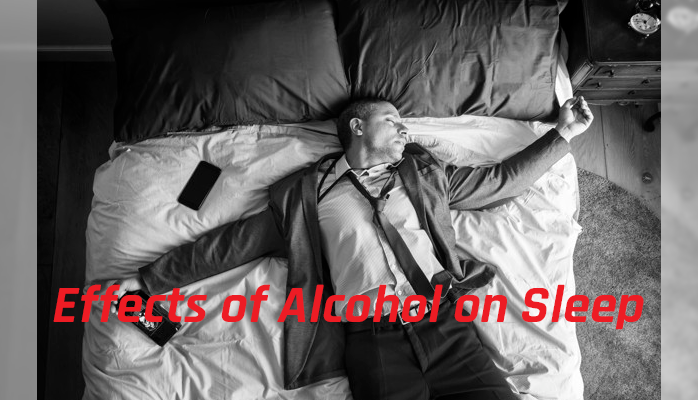
Living with sleep deprivation is often compared to being intoxicated, as both intoxicated and sleep deprived individuals perform similarly on cognitive tests.

Read More
Topics: Chronic fatigue

Obesity, Diabetes, and Sleep Apnea

Posted by Tyler Britton on Feb 26, 2020 8:00:00 AM

The Revolving Circle of Diabetes, Sleep Apnea, and Obesity

The interplay between diabetes, obesity, and sleep apnea is widely acknowledged and cannot be ignored. While it may be unclear which condition is the root cause of the connection, it is evident that they are all interconnected and have a negative impact on each other.

Obesity can exacerbate obstructive sleep apnea, making it more difficult to breathe during sleep. In turn, sleep apnea can worsen diabetes management, leading to complications in blood sugar control. Furthermore, diabetes can hinder weight loss efforts, making it harder to manage obesity.

This vicious cycle can be disheartening, but the good news is that there are various treatments and interventions available to help break this revolving door. There are strategies to address each condition individually and simultaneously, making the management of diabetes, obesity, and sleep apnea more attainable.

It is crucial to consult with healthcare professionals for personalized guidance and treatment options. Our team of sleep specialists can provide expert advice and support in managing sleep apnea effectively.

Read More

What It’s Like to Experience Sleep Attacks

Posted by Tyler Britton on Feb 25, 2020 8:00:00 AM

What are Sleep Attacks?

Sleep attacks are sudden and intense urges to sleep at unusual times, such as in the middle of the day. These urges can range from a sudden feeling of tiredness to an irresistible need to sleep. They are not the same as feeling sleepy after a big meal or due to lack of sleep - sleep attacks strike suddenly, seemingly out of nowhere, and can be incredibly powerful.

Due to their unpredictable nature, sleep attacks can be dangerous. For instance, experiencing a sleep attack while driving or operating heavy machinery can lead to accidents and even loss of life. It is crucial for individuals who frequently experience sleep attacks to seek immediate attention from their doctor or a sleep specialist.

Read More
Topics: Sleep Attacks

Overview of Most Common Parasomnias

Posted by Tyler Britton on Feb 24, 2020 8:00:00 AM

What are Parasomnias

Parasomnias are not a single sleep disorder, but rather a collection of sleep disorders that disrupt your circadian rhythm and impact sleep quality. Some parasomnias are nothing more than a nuisance to your bed partner or others in your household.

People often need others to inform them of their parasomnia, as parasomnias may not be remembered in the morning, such as sleepwalking, night terrors, sleep talking, etc.

Read More
Topics: Parasomnias

The Right Way to Overcome Sleep Deprivation

Posted by Tyler Britton on Feb 23, 2020 9:00:34 PM

Sleep Deprivation and Sleep Debt

When you don’t get enough sleep, you become sleep deprived. The difference between how much sleep you have been getting and how much sleep you personally need is often called a “sleep debt.” The implication here is that over time, a “debt” forms where you need to “catch up” on sleep in order to not suffer from sleep deprivation any more. Unfortunately, overcoming sleep deprivation is not as simple as simply

Sleep debts are extremely important to correctly understand. The common misconceptions about what a sleep debt is and how you “repay” it undermines the ability to actually overcome sleep deprivation. The primary misconception that we see is that one can “repay” a sleep debt in the same way you repay a monetary debt: by binge sleeping.

It simply doesn’t work this way.

Read More

Why Oversleeping Doesn’t Make Sleep Deprivation Better

Posted by Tyler Britton on Feb 2, 2020 7:56:00 AM

What is Oversleeping, or Binge Sleeping?

Binge sleeping, a common escape route for those suffering from sleep deprivation, offers the illusion of a quick fix to feeling normal again. Picture this: you spend the entire week burning the midnight oil on your computer, only to wake up at your usual time for work, barely getting 6 hours of sleep. Then, the weekend arrives and you indulge in a few extra hours of shut-eye each day, maybe even sneaking in a nap or two. This is the essence of binge sleeping, but here's the truth - it doesn't actually work.

The concept of binge sleeping originates from the idea of having a "sleep debt," which plays a crucial role in discussions about sleep deprivation and sleep binging.

Consider this: on an average, Americans sleep for around 6.8 hours per night during the week, but that number jumps to 7.4 hours during the weekend (about 40 minutes more). These figures indicate that a significant portion of the population engages in binge sleeping, seeking to catch up on lost sleep.

Unfortunately, binge sleep doesn't eliminate your sleep debt. It may provide temporary relief, but the signs of sleep deprivation quickly resurface.

Read More

Overview of Circadian Rhythm Disorders

Posted by Tyler Britton on Jan 30, 2020 7:50:00 AM

What is Your Circadian Rhythm?

Your circadian rhythm is your innate biological clock that helps your body function in patterns and rhythms. It regulates your natural sleep schedule, and is closely tied to both melatonin, the sleep hormone, and changes in light.

Your biological sleep clock exists in a part of your brain called the suprachiasmatic nucleus of the hypothalamus, which sits right behind the nerves of your eyes – hence why your clock is sensitive to light.

It is crucial for you to understand your circadian rhythm in order to build healthy sleeping habits.

Read More

Overview of Shift Work Sleep Disorder

Posted by Tyler Britton on Jan 29, 2020 7:46:40 PM

Overview of Shift Work Disorder

Shift work sleeping disorder, also known as shift work sleep disorder (SWSD), is a disruptive circadian rhythm disorder that stems from the demands of shift work. While not everyone who works non-traditional hours experiences this disorder, it is common enough among those who work irregular, long, or night shifts to warrant its own classification.

SWSD causes sleep deprivation, leading to a range of symptoms that align with those of sleep deprivation itself:

  • Chronic fatigue
  • Mental fogginess
  • Insomnia
  • Decreased performance in various aspects of life
  • Difficulty managing stress
  • Lower tolerance for pain
  • Chronic irritability or a short temper
  • Increased susceptibility to illness

Sleep deprivation poses significant risks, including a decrease in life expectancy, a lower quality of life, and various health complications. In the following sections, we will delve further into the specific risks associated with shift work sleep disorder.

Stay tuned to learn more about the potential consequences of SWSD.

Read More
Topics: Shift work

Overview of Sleep Attacks

Posted by Tyler Britton on Jan 26, 2020 10:00:00 AM

What is a Sleep Attack?

Sleep attacks are sudden and overpowering urges to sleep that occur at unexpected times, such as during a meeting. They strike swiftly, interrupting your normal activities and making you feel as if you just woke up and immediately need to go back to sleep. These sleep attacks can pose a serious safety risk in certain professions and activities like driving.

It's important to note that sleep attacks are not the same as feeling tired after a meal or hitting a wall of exhaustion at night, although they share a similar intensity. They are commonly associated with the sleep disorder narcolepsy, with frequent sleep attacks being a primary symptom of this condition.

Read More
Topics: Sleep Attacks

Reasons Why You’re Always Tired

Posted by Tyler Britton on Jan 23, 2020 8:00:00 AM

Why You’re Always Tired

Feeling constantly tired is often a sign of sleep deprivation, although it doesn't apply to everyone. Sleep deprivation occurs when you don't get enough sleep, which for adults should be a minimum of 7 hours per day. This lack of sleep accumulates as a "sleep debt," which means you'll need to make up for it by consistently getting more sleep in the future.

Read More
Topics: Chronic fatigue

Subscribe to Email Updates

Recent Posts

Posts by Topic

see all