
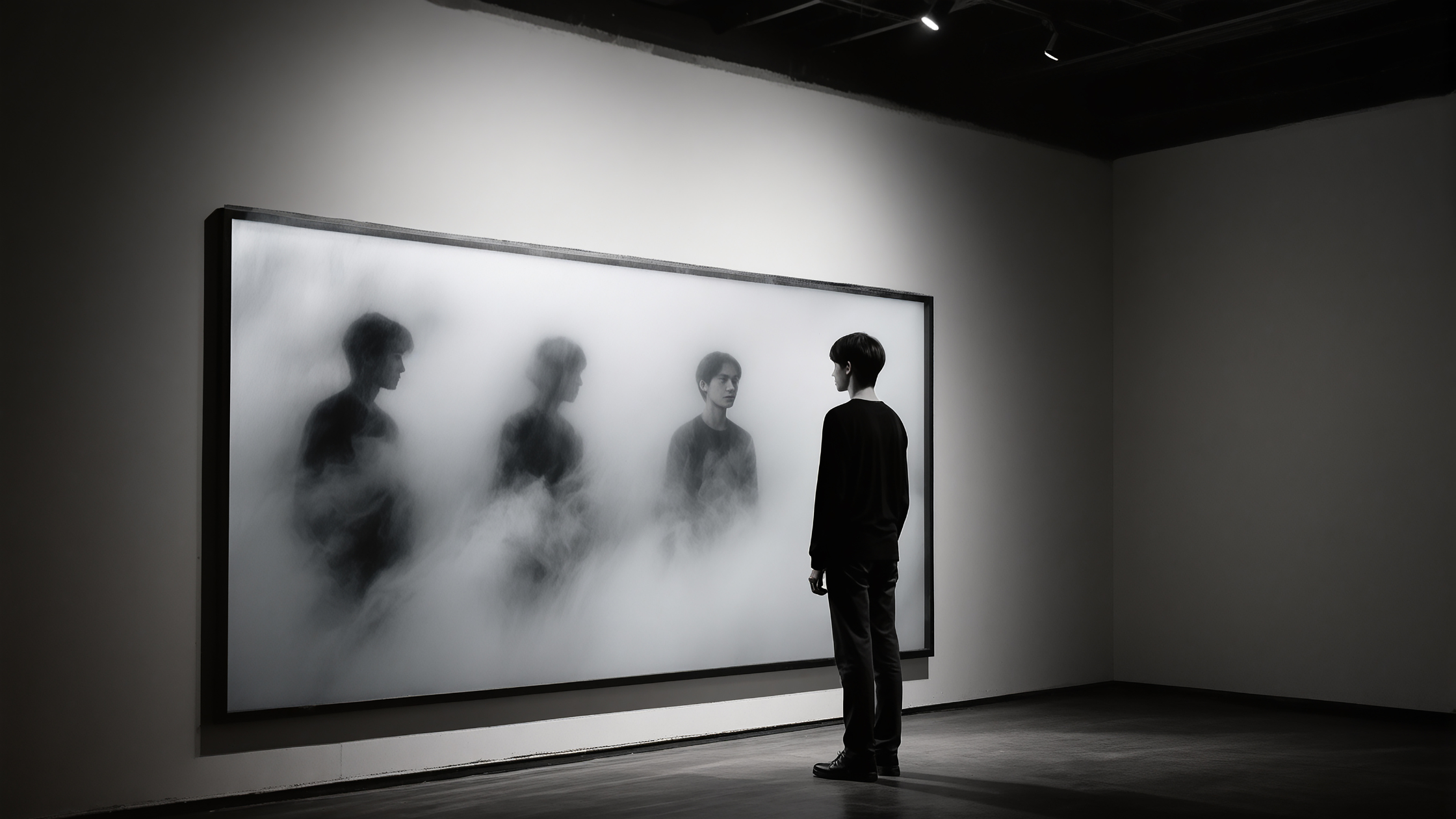
Sleep does far more than restore physical energy—it quietly influences how we think, feel, and ultimately how we perceive ourselves. From confidence and self-worth to body image and emotional resilience, sleep plays a critical role in shaping self-perception. When sleep suffers, our internal narrative often does too.
Sleep and Emotional Processing
During sleep—especially REM sleep—the brain processes emotional experiences from the day. This nighttime “emotional reset” helps soften the intensity of negative events and integrate them into memory in a balanced way. When sleep is disrupted, the brain struggles to regulate emotional reactions, making people more likely to dwell on mistakes, criticisms, or perceived failures.
As a result, sleep deprivation often leads to:
-
Increased self-criticism
-
Heightened sensitivity to negative feedback
-
A tendency to interpret neutral situations as personal shortcomings
Over time, this skewed emotional processing can distort self-perception, causing people to view themselves more harshly than reality warrants.
The Impact of Sleep on Confidence and Self-Esteem
Adequate sleep supports healthy functioning of the prefrontal cortex—the brain region responsible for rational thinking, perspective-taking, and self-regulation. When well-rested, people are better able to assess their abilities realistically and respond to challenges with confidence.
In contrast, chronic sleep loss weakens this system while amplifying activity in the amygdala, the brain’s emotional alarm center. This imbalance can lead to exaggerated feelings of inadequacy or impostor syndrome, even in highly capable individuals. Simply put, poor sleep can make people feel less competent, regardless of their actual performance.
Sleep, Body Image, and Self-Image
Sleep also influences how we perceive our physical appearance. Research shows that sleep deprivation alters visual processing and emotional judgment, making people more likely to focus on perceived flaws. Fatigue can heighten dissatisfaction with body image and contribute to negative self-talk about appearance.
Additionally, sleep loss disrupts hormones that regulate appetite and stress, which may increase cravings, weight fluctuations, and inflammation—factors that can further affect how people feel about their bodies. Over time, this cycle can reinforce a negative self-image.
Social Perception and Self-Identity
When we’re tired, social interactions often feel more challenging. Poor sleep reduces empathy, patience, and emotional attunement, making misunderstandings more likely. These strained interactions can then feed into self-perception, leading people to label themselves as “awkward,” “unlikable,” or “not good with people,” when the real issue is simply exhaustion.
Adequate sleep, on the other hand, supports social confidence and emotional awareness, allowing individuals to engage more authentically and positively with others—reinforcing a healthier self-concept.
The Long-Term Effects of Chronic Sleep Deprivation
Over time, persistent sleep deprivation can contribute to anxiety and depression—both of which are strongly linked to negative self-perception. People may begin to internalize sleep-related cognitive distortions, mistaking temporary fatigue-driven thoughts for accurate reflections of who they are.
This can create a feedback loop:
poor sleep → negative self-perception → increased stress → worse sleep.
Breaking this cycle often starts with addressing sleep quality.
Improving Sleep to Improve Self-Perception
Small, consistent sleep habits can have a powerful effect on how we see ourselves:
-
Maintaining a regular sleep schedule
-
Limiting screens before bedtime
-
Creating a calming pre-sleep routine
-
Prioritizing sufficient sleep duration
As sleep improves, many people notice shifts not just in energy, but in self-compassion, confidence, and emotional balance.
Final Thoughts
The way we perceive ourselves is not fixed—it is deeply influenced by biological factors, including sleep. When we are well-rested, our self-view tends to be more balanced, compassionate, and resilient. Prioritizing sleep isn’t just an act of physical self-care; it’s a powerful investment in a healthier relationship with ourselves.
If you or someone you know struggles with sleep, please click the orange button below to take a free online sleep test and talk with one of our sleep health professionals.
