
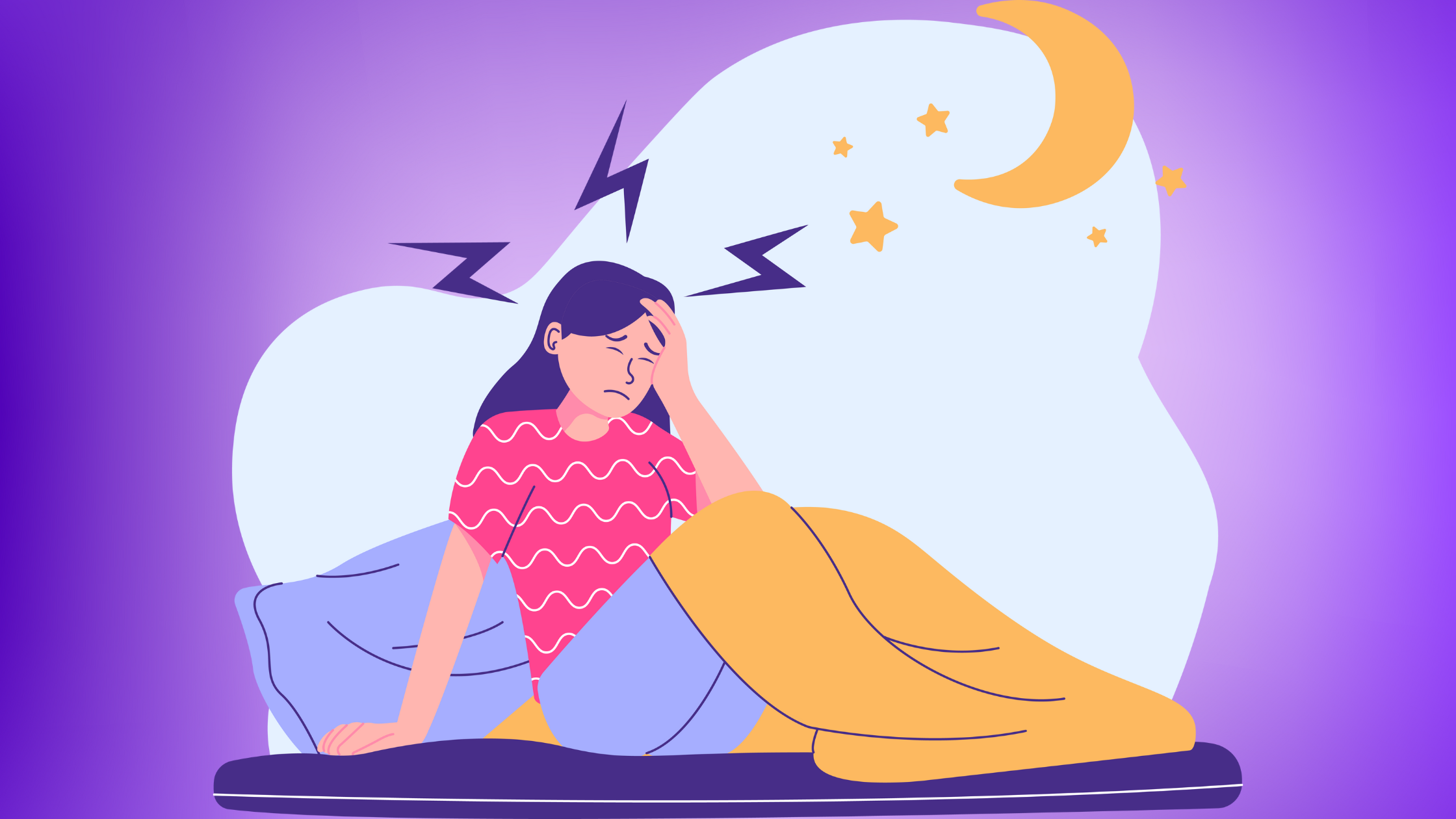
Even the deepest sleepers experience brief moments of wakefulness throughout the night. These tiny interruptions—called microawakenings—are completely normal and often go unnoticed. In fact, most people have dozens of them every night.
But while microawakenings are a natural part of the sleep cycle, they can become problematic when they occur too frequently or last too long. When that happens, they can fragment sleep, leave you feeling unrefreshed in the morning, and subtly contribute to daytime fatigue, mood changes, and cognitive fog.
Understanding what microawakenings are, why they happen, and how they affect your rest can help you make sense of symptoms you may not even realize are sleep-related.
What Exactly Are Microawakenings?
A microawakening is a very brief episode—usually lasting just a few seconds—when your brain shifts out of deeper sleep into a lighter stage or momentarily wakes up. These events happen naturally at the end of each sleep cycle and often occur when something momentarily activates the brain, such as:
-
A noise
-
A change in temperature
-
Movement
-
A partner shifting in bed
Most microawakenings are so short that you don’t consciously remember them. They’re considered part of healthy sleep physiology.
However, when microawakenings become frequent or prolonged, they can disrupt the continuity of your sleep and reduce the restorative benefits of nighttime rest.
Why Do Microawakenings Happen?
Microawakenings serve an evolutionary purpose: they’re a built-in “safety check” that allows the brain to scan the environment for danger without fully waking up. Even in deep sleep, the brain maintains a low-level awareness of external cues.
But many factors can increase how often—or how intensely—these awakenings occur.
Common triggers include:
-
Stress and anxiety
-
Caffeine or alcohol
-
Noise or light exposure
-
Temperature fluctuations
-
Sleep disorders (like sleep apnea)
-
Restless legs syndrome
-
Pain or discomfort
-
Hormonal shifts (e.g., perimenopause or pregnancy)
-
Bedroom disruptions (partner movement, pets, children)
Even though these awakenings are small, their cumulative impact can be surprisingly significant.
How Microawakenings Affect Sleep Quality
1. They Fragment the Sleep Cycle
Sleep occurs in cycles of light sleep, deep (slow-wave) sleep, and REM sleep. Each stage has a purpose, from memory consolidation to tissue repair.
When microawakenings are infrequent, the brain easily transitions back into the normal cycle. But when they happen repeatedly, they interrupt these deeper stages.
As a result:
-
You spend less time in deep, restorative sleep
-
You may wake feeling unrefreshed
-
Your memory, mood, and concentration may suffer
It’s possible to sleep 7–8 hours yet still feel exhausted if the night was fragmented with brief awakenings.
2. They Increase Sympathetic Nervous System Activation
Each microawakening activates the sympathetic nervous system—the “alertness” branch responsible for wakefulness and vigilance. This spike can briefly increase heart rate, muscle tension, and blood pressure.
When this happens multiple times per hour, the brain never truly settles into restorative parasympathetic (rest-and-digest) dominance.
Over time, this can contribute to:
-
Daytime irritability
-
Trouble falling back asleep
-
Heightened stress
-
Hormonal imbalances related to chronic sleep fragmentation
3. They Make You More Sensitive to Sleep Disruptions
Frequent microawakenings can also lower your threshold for disturbances. A noise that wouldn’t normally wake you might suddenly become enough to trigger a full awakening.
This is why people with fragmented sleep often describe themselves as “light sleepers” or sensitive to every noise.
4. They Can Worsen Daytime Sleepiness Without You Remembering the Cause
Many people with excessive microawakenings don’t recall waking up. They simply notice:
-
Morning fatigue
-
Difficulty concentrating
-
Slower reaction time
-
Mood changes
-
Brain fog
These symptoms are often misattributed to stress or lifestyle, when they may actually be rooted in disrupted sleep continuity.
Conditions Linked to Excessive Microawakenings
One of the reasons microawakenings are so important is that they can point to underlying sleep issues. Certain disorders create frequent, subconscious awakenings throughout the night.
1. Sleep Apnea
Breathing interruptions cause the brain to jolt awake repeatedly to restart airflow. Many people with apnea experience hundreds of microawakenings per night.
2. Periodic Limb Movement Disorder (PLMD)
Uncontrolled limb jerks during sleep can lead to involuntary awakenings.
3. Restless Legs Syndrome (RLS)
The urge to move the legs delays sleep onset and causes repeated awakenings through the night.
4. Insomnia
Even if you fall asleep, hyperarousal can cause your brain to partially awaken over and over.
5. Chronic pain, GERD, and asthma
Discomfort or breathing changes during the night trigger microarousals.
If you suspect these may be affecting your sleep, a sleep specialist can help identify and treat the underlying cause.
Signs Your Microawakenings Might Be Affecting You
You may notice:
-
Feeling tired even after a full night’s sleep
-
Waking up often without knowing why
-
Tossing and turning
-
Early morning headaches
-
Difficulty staying asleep
-
Nocturia (waking to urinate) without a bladder diagnosis
-
Snoring or gasping (observed by a partner)
-
Memory or attention difficulties
Even “light snoring” can cause microawakenings.
How to Reduce Microawakenings for Better Sleep
1. Improve Sleep Hygiene
Prioritize:
-
A cool, dark, quiet bedroom
-
A consistent sleep schedule
-
Limiting screens before bed
-
Avoiding caffeine after early afternoon
-
Reducing alcohol close to bedtime
2. Manage Stress Before Bed
Stress is one of the strongest triggers for sleep fragmentation.
Try:
-
Deep breathing
-
Meditation
-
Gentle stretching
-
Light reading
-
Journaling
3. Reduce Environmental Disruptions
Small changes can greatly reduce microawakenings:
-
White noise machines
-
Blackout curtains
-
Motion-restricting pet routines
-
Supportive mattress and pillows
-
Earplugs if noise is an issue
4. Evaluate Possible Sleep Disorders
If snoring, gasping, leg movements, or excessive daytime sleepiness are present, a sleep evaluation may be warranted.
5. Address Hormonal or Medical Causes
Night sweats, pain, acid reflux, or breathing issues can all increase nighttime arousals. Treating the underlying condition often dramatically improves sleep continuity.
Final Thoughts
Microawakenings are a normal part of healthy sleep—but when they become too frequent, they quietly erode sleep quality in ways many people never recognize. If you’ve been struggling with fatigue, difficulty concentrating, or restless nights despite “sleeping through the night,” your sleep may be more fragmented than you realize.
By understanding the triggers, optimizing your sleep environment, and addressing underlying conditions, you can significantly reduce microawakenings and achieve deeper, more restorative sleep.
If you'd like, I can also create a condensed version, a patient-education handout, or a social media carousel based on this post.
If you or someone you know struggles with sleep, please click the orange button below to take a free online sleep test and talk with one of our sleep health professionals.
