
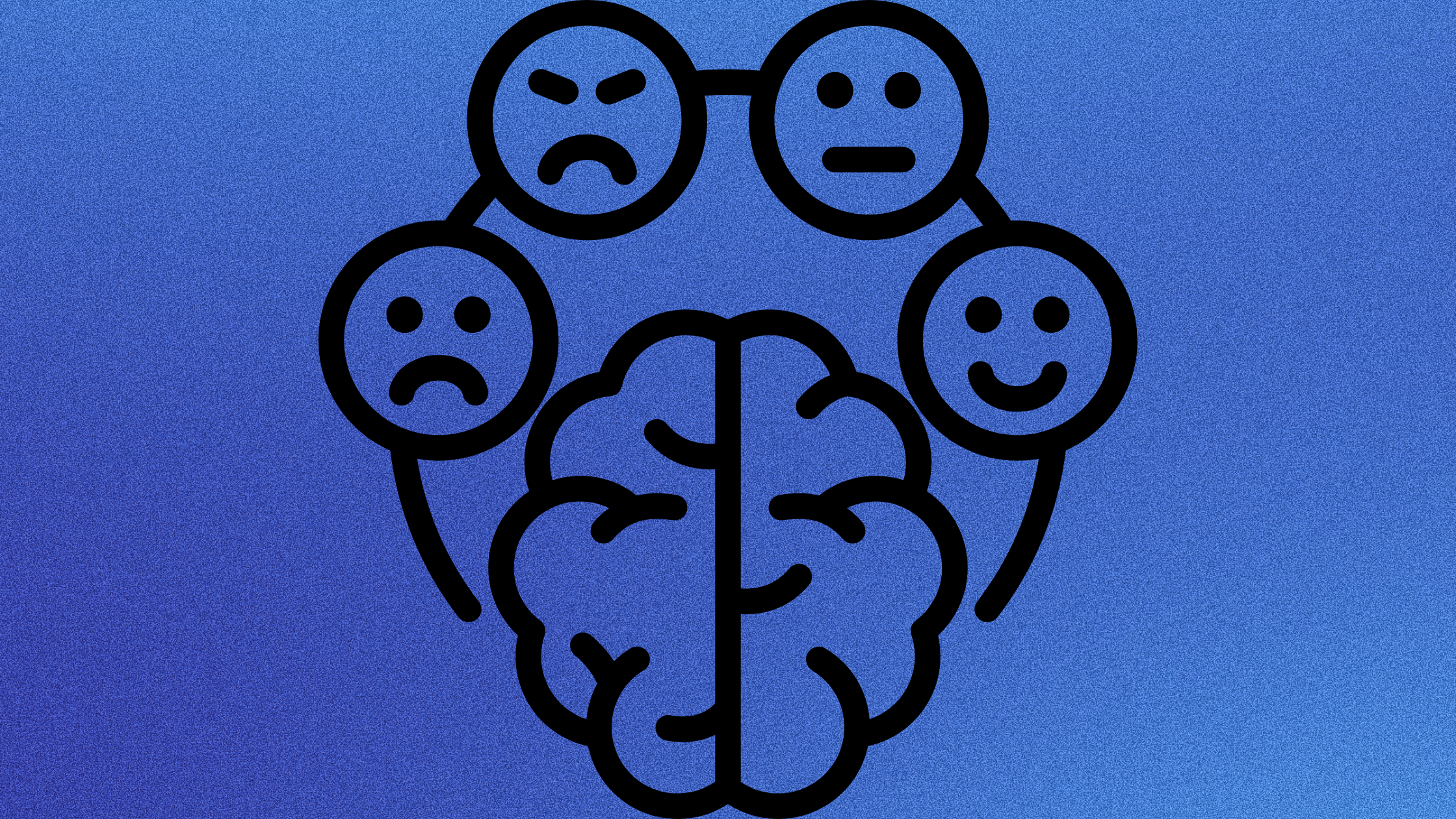
Sleep is often discussed in terms of energy, memory, and physical health—but one of its most powerful roles is regulating emotion. At the center of this process lies the amygdala, a small almond-shaped structure deep in the brain that acts as an emotional alarm system. The relationship between the amygdala and sleep is bidirectional: sleep shapes how the amygdala responds to the world, and amygdala activity influences how well we sleep.
Understanding this connection helps explain why sleep deprivation makes emotions feel overwhelming, conflicts escalate more easily, and anxiety feels harder to control.
What Does the Amygdala Do?
The amygdala plays a critical role in:
-
Detecting threats and danger
-
Processing fear and anxiety
-
Assigning emotional meaning to experiences
-
Triggering stress responses
It operates quickly and automatically—often before the rational parts of the brain have time to weigh in. This speed is adaptive for survival, but it requires regulation to prevent emotional overreactions.
That regulation largely comes from the prefrontal cortex, the brain’s executive control center. Sleep is essential for maintaining this balance.
How Sleep Regulates the Amygdala
1. Sleep Keeps the Emotional “Brake System” Intact
During healthy sleep—especially deep sleep and REM sleep—the brain restores communication between the prefrontal cortex and the amygdala. This connection allows rational thinking to modulate emotional reactions.
When sleep is insufficient:
-
Prefrontal control weakens
-
Amygdala reactivity increases
Studies show that sleep-deprived individuals can have amygdala responses up to 60% stronger to negative stimuli compared to well-rested individuals.
2. REM Sleep Helps Process Emotional Memories
REM sleep plays a unique role in emotional processing. During REM:
-
Emotional memories are reactivated
-
Stress hormones like norepinephrine are reduced
-
The emotional charge of experiences is softened
This allows the brain to remember events without reliving the emotional intensity. When REM sleep is disrupted, emotional memories remain “raw,” keeping the amygdala on high alert.
This helps explain why poor sleep is linked to conditions such as PTSD, anxiety disorders, and depression.
3. Sleep Loss Makes the Amygdala Hyper-Reactive
Without adequate sleep, the amygdala becomes hypersensitive to:
-
Negative facial expressions
-
Social rejection
-
Perceived threats
-
Minor stressors
At the same time, it becomes less responsive to positive stimuli. This imbalance creates a negativity bias, where the brain is primed to see danger rather than safety.
In practical terms, this can look like:
-
Overreacting to small problems
-
Feeling emotionally “on edge”
-
Heightened anxiety
How the Amygdala Affects Sleep
The relationship goes both ways. An overactive amygdala can interfere with sleep by:
-
Increasing nighttime anxiety
-
Triggering hypervigilance
-
Activating the stress response when trying to relax
This is why people under chronic stress often struggle to fall asleep or wake frequently during the night. The brain remains in a state of perceived threat, even in a safe environment.
Chronic Sleep Deprivation and Emotional Health
Over time, ongoing sleep disruption can lead to:
-
Persistent amygdala overactivation
-
Reduced emotional resilience
-
Higher risk of mood and anxiety disorders
-
Impaired emotional regulation in relationships
This creates a vicious cycle: poor sleep fuels emotional reactivity, and emotional distress further disrupts sleep.
Supporting Healthy Amygdala Function Through Sleep
Improving sleep quality can significantly calm emotional reactivity. Helpful strategies include:
-
Maintaining a consistent sleep schedule
-
Protecting REM sleep by limiting alcohol and late caffeine
-
Creating a wind-down routine that reduces stress before bed
-
Addressing sleep disorders such as insomnia or sleep apnea
Even modest improvements in sleep duration and quality can restore healthier communication between the prefrontal cortex and the amygdala.
The Bottom Line
Sleep is not just rest—it’s emotional regulation. The amygdala relies on sleep to recalibrate, process emotional experiences, and stay appropriately responsive rather than reactive. When sleep is sacrificed, the emotional brain takes the lead, often at the expense of rational control.
Protecting your sleep is one of the most effective ways to support emotional stability, resilience, and mental well-being—starting at the deepest levels of the brain.
If you or someone you know struggles with sleep, please click the orange button below to take a free online sleep test and talk with one of our sleep health professionals.
