ANCSLEEP BLOG

How to Use a CPAP Machine and Sleep Better

Posted by Tyler Britton on Jul 24, 2019 8:54:00 AM

What is a CPAP Machine?

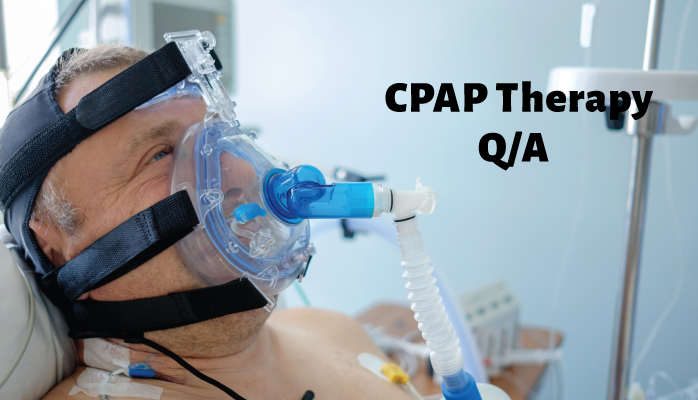
A CPAP device/machine stands for Continuous Positive Airway Pressure. A CPAP machine is a small, rectangular box with a motorized fan inside and an adjacent humidifier. It is the primary tool used in CPAP therapy and is considered the gold standard for treating obstructive sleep apnea (OSA).

Connected to the CPAP device is a flexible tube that leads to a breathing mask. The hose is lightweight and kept warm in order to reduce condensation. Among other things, too much condensation can lead to sanitation problems like, mold growth.

Finally, the primary component in CPAP machines is a small fan. The small fan inside delivers gentle, positive pressure through a connected hose to the breathing mask. This results in a reduction of lapses of breathing at night because the positive air pressure keeps your airway open. The pressure can be a little strange at first, but it’s rare that people report any long-term problems associated with it.

Recent advances in CPAP technology have dramatically improved the performance, usability, and comfort of CPAP machines, and they are far and above the most popular treatment to OSA.

Read More
Topics: CPAP

Frequent Urination Causing Sleep Deprivation – What to Do

Posted by Tyler Britton on Jul 23, 2019 8:49:36 AM

Frequent Urination: What is Nocturia?

Do you get up frequently during the night to urinate? The term for this is nocturia, of frequent urination throughout the night that requires you to wake up. This is a problem because the frequent rousing can interfere with your sleep cycle and lead to sleep deprivation.

Nocturia is a common cause of sleep loss. People without nocturia can usually go 6 to 8 hours of sleeping without having to urinate. Getting up once per night is likely not going to cause problems. Getting up 2-3 times per night is likely to cause daytime sleepiness. Nocturia may require one to get up 4-6 times or more, potentially leading to severe sleep deprivation [Sleep Foundation].

Read More
Topics: Nocturia

How Does Pain Affect Sleep?

Posted by Tyler Britton on Jul 16, 2019 8:00:00 AM

How Much Are We In Pain?

Pain-related sleep loss is a common problem in society. The 2015 Sleep in AmericaTM Poll found that 21% of Americans experience chronic pain. It also found that 36% of people have experienced acute pain in the last week.

The question is why are people in so much pain? Some contributing factors include:

  • Sitting all day at a desk is not good for our health
  • Increased screen time leads to less physical activity
  • Obesity epidemic 
  • Stress
  • Sports and high activity that lead to injuries
  • Genetics 

With so many people experiencing pain, there is a high likelihood that they are also experiencing sleeplessness as pain and sleep are closely related. Continue reading to learn more about the impact of pain on sleep.

Read More
Topics: Pain and Sleep

Why Do I Wake Up to Urinate So Much At Night (Nocturia)?

Posted by Tyler Britton on Jul 11, 2019 2:56:27 PM

Frequently Waking Up to Urinate is a Condition

The term for frequently waking up at night to urinate is nocturia. Nocturia is more than an irritating nuisance, it causes sleep deprivation and should be taken seriously.

Whereas someone without nocturia can sleep 6-8 hours at night without having to urinate, people with nocturia may get up 3-6 times per night or more. Getting up once, or perhaps even twice, per night is likely not going to cause problems, but 3 times per night is likely to cause daytime sleepiness and 5 or more times per night is likely to cause severe sleep deprivation.

Nocturia should not be confused with bed-wetting, which does not involve rousing from sleep. Nocturia can be caused by a multitude of factors, or a combination of factors, such as:

  • Lifestyle habits
  • Medical conditions
  • Naturally occurring life circumstances
  • Sleeping disorders
Read More
Topics: Nocturia

How Sleep Affects Well-Being

Posted by Tyler Britton on Jul 8, 2019 7:38:33 AM

Sleep and Well-being

Well-being is a term with many definitions, but overall, involves having a sense of satisfaction and healthfulness with our day-to-day lives. The opposite of well-being could include feeling poorly, discouraged, and melancholic every day.

Read More
Topics: sleep health

What You Need to Know About CPAP

Posted by Tyler Britton on Jul 7, 2019 8:20:06 PM

Be Comfortable With CPAP

CPAP is often scary for people who are concerned they have obstructive sleep apnea (or have already been diagnosed with it). After all, it doesn’t exactly look comfortable. People who already use it sometimes struggle with ensuring that their CPAP is effective.

If you are concerned about how to use your CPAP and maintain it, then continue reading the article where we will discuss: What a CPAP is

  • What CPAP therapy is used for
  • How to keep your CPAP effective
  • How to maintain your CPAP
  • Additional CPAP Tips
Read More
Topics: CPAP

Sleep Tricks for Children That Also Work For Adults

Posted by Tyler Britton on Jul 2, 2019 8:30:59 AM

Teaching children how to sleep is well-documented. But can these same tricks work for adults? Websites that discuss sleep training for children are excellent resources for adults too. Not every trick will work, but many of the strategies are applicable to adults who struggle with sleep deprivation or falling asleep.

It might feel silly to use childish methods to establish good sleeping habits, but improved sleep can improve functioning:

  • Physically
  • Mentally
  • Academically
  • Socially

Here are 4 tricks we use on many children that also work on adults.

Read More
Topics: Sleep Tips

Circadian Rhythm and Your Natural Sleep-Wake Cycle

Posted by Tyler Britton on Jun 28, 2019 12:17:35 PM

What is Your Sleep Wake Cycle?

Your circadian rhythm acts as your internal timekeeper, orchestrating the delicate balance between sleep and wakefulness. Operating behind the scenes in your brain, it controls your natural cycle of rest and alertness, commonly referred to as your sleep-wake cycle.

Understanding your circadian rhythm is crucial in grasping the intricate workings of your body and brain, ultimately impacting the quality of your sleep. Your sleep-wake cycle, from the moment you rise to when you hit the pillow and wake again, is ideally a 24-hour cycle aligned with modern society's rhythm. However, variations exist, with your natural sleep cycle possibly spanning 26 or 22 hours.

Furthermore, your biological clock can be "shifted" earlier or later in the day, giving rise to the terms night owl and lark. It's worth noting that a significant portion, 40-70 percent, of your biological clock is predetermined by genetics. While you can attempt to adjust your clock, completely altering your sleep-wake cycle may prove unrealistic.

Read More

Tips for Sleeping When You’ve Tried Everything

Posted by Tyler Britton on Jun 26, 2019 8:52:26 AM

If you can’t sleep and think you have tried everything, there are many tips that not have thought of. There are other non-standard, and sometimes odd ways of helping yourself get to sleep that you likely have not heard of. These sleep strategies are effective and backed by studies and experience.

Here are tips for sleeping when you’ve tried everything.

Read More
Topics: Sleep Tips

Why Some of Us are Night Owls and Morning People

Posted by Tyler Britton on Jun 20, 2019 9:07:49 AM

What is the Circadian Rhythm?

Your circadian rhythm is your biological clock. It runs in the background of your brain, managing and regulating your cycle of sleep and wakefulness. It’s also known as your sleep-wake cycle. It’s an important term to understand when trying to understand how and why your body/brain operates the way it does – understanding which can be critical to getting a good night’s rest.

Your sleep-wake cycle dictates when you rise, rest, and rise again. While the ideal circadian rhythm aligns with a 24-hour cycle, not everyone operates on this schedule. Your natural sleep pattern may lean towards 26 hours or even 22 hours, showcasing the unique diversity in how individuals function within the constraints of modern society.

Also, you biological clock may be “shifted” to earlier or later in the day, hence the terms night owl and lark. It’s important to note that research has shown that 40-70% of your biological clock is genetic, meaning that while you may be able to shift your clock, it may be unrealistic to simply adopt a new sleep-wake cycle.

Read More

Subscribe to Email Updates

Recent Posts

Posts by Topic

see all