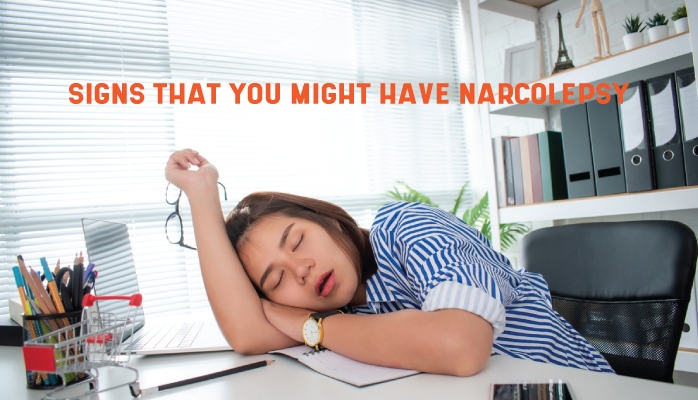
Narcolepsy is a sleep disorder that brings about an overwhelming and sometimes uncontrollable longing for sleep. It causes sudden and unexpected episodes of sleepiness, occurring at any given moment and in any location. As a result, the regular patterns and rhythms of sleep become disrupted, leading to individuals with narcolepsy experiencing multiple sleep episodes throughout the day, followed by difficulty sleeping at night.
What is a Circadian Rhythm?
Your circadian rhythm is like the conductor of your body's sleep orchestra. It orchestrates the perfect balance of sleep and wakefulness, with melatonin playing a key role as the sleep hormone. Nestled within the depths of your brain, specifically the suprachiasmatic nucleus of the hypothalamus, your biological sleep clock is strategically positioned behind the delicate nerves of your eyes. This prime location allows it to harmonize with the ebb and flow of light, effortlessly regulating melatonin production in response to changes in your external environment.
Thus, circadian rhythm disorders are often in response to your external factors:
- Extreme light conditions
- Extreme dark conditions
- Shift work
- A non-standard sleep schedule that conflicts with your work schedule, such as needing to start work at 7am but getting naturally tired at 2am
Symptoms of circadian rhythm disorders are fairly straightforward: when you want or need to sleep is when you can’t sleep. The result are insomnia symptoms and sleep deprivation.
There is a Condition for Frequent Nighttime Urination: Nocturia
Are you waking up several times or more throughout the night to go pee? Is it causing you to feel tired in the morning and sleep deprived throughout the day? This phenomenon is known as nocturia, or nighttime urination.
Nocturia is a nuisance that leads to sleep deprivation and should be taken seriously. Because of this, it's important to recognize the signs that one may be experiencing sleep deprivation versus the occasional instance of needing to urinate at night.
Someone without nocturia will usually go the whole night without having to wake and urinate. At most, if too much alcohol or water was consumed before bed, such people will wake up once and go back to sleep after relieving themselves. With nocturia, an individual may wake up anywhere from three times or more a night.
This has the potential of causing wakefulness nearly every hour. A few consequences of the resulting sleep deprivation are:
- Daytime sleepiness if waking three times a night
- Significant sleep deprivation if waking five times a night
- Severe sleep deprivation if waking more than five times a night
What is Restless Leg Syndrome (RLS)?
Restless leg syndrome (RLS) is a sleep disorder caused by nervous system, and is characterized by uncomfortable sensations in the legs and other extremities during the night. RLS usually causes enough discomfort to interfere with sleep, causing sleep deprivation.
The symptoms of RLS all have one thing in common: discomfort in the legs, though it can also occur in other extremities. This discomfort can be mild, uncomfortable, and even intolerable. Frustratingly, your RLS can:
- Come and go over long periods of time
- Be chronic (all the time)
- Be intermittent – some nights RLS symptoms appear and some nights they don’t
This can make it difficult to identify that there is even a problem or a sleep disorder present. Continue reading to learn more about RLS and how to treat it.
Alaskan Winter Darkness Means Big Internal Changes
Alaskans’ sleeping schedules are unique. While it sounds reasonable to think, “Summer in Alaska is for long, fun days and winters are for lots of sleep,” it’s actually not quite that simple. As you go further north, things get even more complex. Our extreme lighting conditions affect our lives in many different ways that can be incredibly disruptive to sleep.
The reason our sleeping schedules are affected by lighting changes is because extreme lighting and weather conditions affect our lives:
- Sociologically
- Psychologically
- Physiologically
- Habitually
Many of us are completely different people in summer and winter, with different sleeping patterns, different workout patterns, social patterns, and so on.
Especially in the winter, many of Alaskans have mental, cognitive, or emotional responses to the total darkness, and their behavior changes alongside. Those who are not into winter activities like skiing, skating, etc. are at a higher risk of experiencing these changes.
Most Common Parasomnias
Parasomnias relate to several different sleep disorders. They affect the ability to sleep, disrupt your circadian rhythm, and lead to sleep deprivation. Some parasomnias will be obvious and easy to identify, others will require a bed partner to identify.
The most common parasomnias are:
- Sleep terrors
- Sleep talking
- Sleepwalking
- Sleep paralysis
- REM sleep behavior disorder
- Catathrenia
As we explore this list, take note of any of these parasomnias that resonate with you.
Sleep Disorders That Get Worse in Alaskan Winters
Why Darkness Hurts Sleep
Alaskan winters consist of darkness for the majority of the day, while Alaskan summers consist of light for the majority of the day. The extreme lighting conditions of Alaska, especially north, affect Alaskan lives in many different domains:
- Psychologically
- Physiologically
- Habitually
- Emotionally
- Sociologically
While we generally associate darkness with sleep, endless darkness is bad for sleep. This is because melatonin, the hormone that regulates sleep, is light sensitive, and either increases production in response to increasing darkness or decreases production in response to increasing light.
Without a change in light, extreme darkness can cause poor melatonin regulation and result in the initiation or worsening of sleeping disorders in many people. Winter sleeping disorders that are most common in Alaska include:
- Insomnia
- Circadian Rhythm disorders
- Restless leg syndrome (RLS)
Due to these changes, Alaskans have to work harder to maintain a normal sleep schedule in winter and to also be wary of symptoms of sleeping disorders such as those listed above. Let’s look at them in more detail.
What is a Sleep-Related Painful Erection (SRPE)?
A sleep-related painful erection is a painful erection that appears during REM sleep. It is not produced by sexual activity and there are no lesions or physical damage from this condition. It only occurs during sleep.
These erections are painful enough to rouse you from sleep, causing severe sleep deprivation. These erections should subside soon after waking.
This sleep disorder is considered parasomnia, which is a collection of sleep disorders that involve some type of movement during sleep.
What is Narcolepsy?
Narcolepsy is a sleep disorder characterized by a frequent, and sometimes uncontrollable, desire for sleep, or sleep attacks. While the cliché of someone with narcolepsy suddenly falling asleep mid-sentence is not common, it is true that these sleep attacks can be intense and often require lifestyle adjustments to cope.
The result of untreated narcolepsy tends to be irregular patterns and rhythms of sleeping. For example, someone suffering from narcolepsy may end up sleeping several times during the day and then having trouble sleeping at night. Poor sleeping patterns are not only inconvenient but can also lead to sleep deprivation which will affect every aspect of your life.
There are two types of Narcolepsy, Type 1 and Type 2. The difference between both types of narcolepsy is whether or not Cataplexy is present.
Cataplexy is an episode in which strong emotion causes a sudden loss of muscle tone, which is what keeps our bodies upright. Cataplexy can result in a full-body collapse or something less severe like a slack jaw.
- Type 1 Narcolepsy includes the presence of Cataplexy
- Type 2 Narcolepsy does not include Cataplexy
Around 75% of Narcoleptics have Type 1.
How to Prepare and Prevent for Alaska Winter Insomnia
Why the Impending Darkness Affects Circadian Rhythm
It’s no secret that we are living under unique circumstances in Alaska, about half of the year it is dark, and the other half of the year it is light. Though it might seem counterintuitive, winter in Alaska makes sleep more difficult for many people, especially as one travels north.
Excess darkness can be extremely disruptive to three things aspects that are essential for the onset of sleep:
- Ability to get daylight
- Ability to be physically active
- Hormone levels
As the winter season approaches, it's crucial to be aware of the various factors that can hurt your circadian rhythm. By understanding these factors, you can effectively prepare for and combat insomnia during this time of year. Delving deeper into the causes and effects of circadian rhythm will enable you to take the necessary steps to safeguard against its disruption. Let's delve into the fascinating world of circadian rhythm.