Insomnia is a sleeping disorder that prevents you from falling asleep, staying asleep, and waking up at an appropriate time. This can be due an underlying cause or seem idiopathic. If you struggle with sleep and are concerned you're the only one, it may help to know that you're not alone in your quest for better sleep. Research studies demonstrate that approximately 25% of people suffer from some form of sleep disorder. This statistic is daunting as sleep deprivation can impose detrimental effects on individuals and the people around them.
Can't Sleep? What You Need to Know About Insomnia
Stress is a natural part of everyday life. However, too much stress can interfere with daily activities, including sleep. Stress and sleep are a vicious cycle because too much stress impacts sleep, and too little sleep worsens stress.
One thing that can help to relieve stress that interferes with sleep is yoga. Yoga is a soothing practice that can calm the mind and relieve tension in the body. It can help lower stress and is often an effective sleep remedy. Certain inversion and resting poses are especially helpful in combatting restlessness, especially when done in the evening before attempting to get some shut-eye. Continue reading to learn 6 yoga poses that are great for sleep!
Forty percent of Americans report having symptoms of insomnia at some point within a given year, according to the National Sleep Foundation. This alarming statistic identifies a common problem across the country affecting millions of adults. Not only does being tired detract from you quality of life, poor sleep is also detrimental for your health, causing or exacerbating conditions like heart disease and depression.
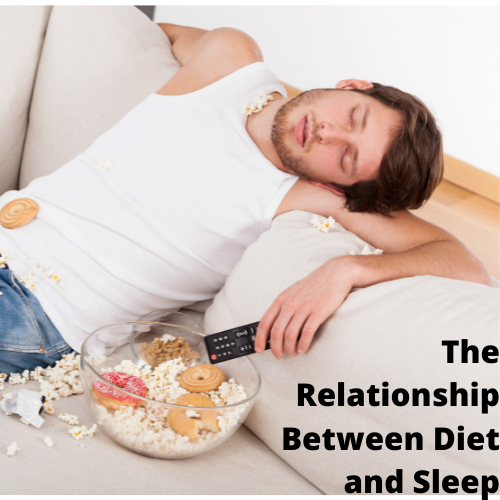
Before reaching for a prescription drug, there are some lifestyle factors that may actually improve your sleep outcomes. One lifestyle factor is diet. Revamping your diet can go a long way towards improving your sleep quality, provided you opt for foods rich in the right sleep-inducing ingredients. Continue reading to learn about 7 foods that can help you sleep better.
Inflammatory bowel disease (IBD) is a waxing and waning disease characterized by diarrhea, abdominal pain, and weight loss. IBD, which includes Crohn’s disease and ulcerative colitis, affects as many as 1.6 million Americans, most of whom are diagnosed before age 30. Since there is no cure for these diseases, patients are relieved when they enter remission.
What is Narcolepsy
Narcolepsy is a sleep disorder characterized by a frequent, and sometimes uncontrollable, desire for sleep. This can result in sudden lapses into sleep at any time, any place. Normal patterns and rhythms of sleeping become abnormal. For example, someone suffering from narcolepsy may end up sleeping several times during the day and then having trouble sleeping at night.
Irregular sleeping patterns are not only inconvenient, they can have medical, emotional, and psychological consequences.
Are you or a loved one a CPAP user? They are the mainstay treatment for significantly improving sleep apnea, but up to 50% of people stop using them within one year. Why? One reason is how daunting the maintenance of their equipment is. At first, it might seem overwhelming but understand with time it will become as routine as brushing your teeth.
What is a Sleep Diary
A sleep diary is a record of your sleep that includes all of the aspects of your sleep. Sleep diaries might be requested of you by your doctor or a sleep center in order to get more accurate data about your sleeping habits. They can be extremely important in identifying the causes of sleep problems or conditions.
Sleep diaries includes data about:
- Your sleep quality
- Your patterns of sleep
- Your pre-sleep habits
Even if not requested by your doctor, it's a good idea to keep one if you are struggling with sleep - it really only takes a few minutes each day.
Polar Nights: lack of natural light and how it effects us
Alaskans have enjoyed another Summer of the Midnight Sun, but winter is upon us, so here come those dark days. We now have our next challenge to face, Polar Nights. As the bears crawl into their dens for their long winter naps, we would be glad to join them. The sun-driven energy from the summer is gone, and we are up against the health challenges of trying to be awake while it is dark.
The holiday season has arrived! Not only should you be excited, but there is so much to look forward to. Time with family and friends, shopping, and traveling are all many things that we take part in during the holiday season. However, for patients with mild-to-moderate obstructive sleep apnea (OSA), going untreated while traveling can put them at risk for serious health consequences and, perhaps, ruin their trip as well. Sleep apnea doesn’t take a holiday, so it's important to continue treating it during yours. Here are a few quick tips to make traveling with sleep apnea a little less cumbersome.