The pandemic has come with its fair share of troubles, and sleep has been no exception. People all over the world have been struggling to get a good sleep pattern due to a variety of reasons. Schedules are simply not the same, and with the blending of home and work environments, it can be difficult to relax enough in your sleeping environment to get solid rest. This has led to a rise in the use of melatonin. However, melatonin is not the cure-all supplement for sleep that it seems. Here we will discuss the rise of melatonin and its potential complications.
Carbonated drinks are heavily consumed throughout the US. Whether you know them as pop, soda, Coke, or another name, carbonated drinks are consumed at a high daily rate by American youth and adults. Soft drinks are also the most common source of added sugar in the average American diet. They are very popular, despite their link to a myriad of health problems, including weight gain, obesity, type 2 diabetes, and heart, liver, and kidney disease.
Soda can also negatively impact sleep. Continue reading to find out more about how these drinks can delay the necessary hours of precious sleep.
Humans spend about a third of their lives sleeping. Scientists have struggled to figure out why, but there may be a very clear answer. Apparently, the reason for sleep is potentially that it gives the body time to repair damaged and broken DNA. Continue reading to find out how sleep assists with this very important biological process.
As adults who never seem to get enough sleep, it can be easy to get frustrated over teens who seem to not realize the importance of sleep or take advantage of their freedom to go to sleep as early as they want. Fights over when children go to sleep can create unnecessary conflict and irritation in your household when the best approach may be to just leave them alone and let them sleep whenever they want. This is counterintuitive for the reasons listed below, but it may be time to throw in the towel and focus on something else in your child's life. Continue reading to find out more on how to let go of the sleep battle with your teen.
Asthma and COPD are both obstructive diseases that make it difficult for lungs to completely get rid of all the air in them. Asthma is more common in younger patients and is reversible through treatment with drugs like albuterol and terbutaline. COPD is not reversible and is more evident in older patients, especially those with a history of smoking. It's important to know the difference between these two diseases, as well as the impact they can have on your sleep. Continue reading to find out more about sleep problems in these individuals.
How a Later Weekday Bedtime can Increase Risk for a Heart Attack
As we age, our circadian rhythm changes which can impact what time we need to go to sleep. The older we get, the earlier we are supposed to go to bed for an earlier wake time. This is due to many factors including changing eyesight (which can make us less sensitive to changes in light during the day), changing levels of melatonin, and other brain functions or hormone changes.
Research has supported the link between sleeping and health issues, including cardiovascular health disease. A recent study looked at bedtime and risk for myocardial infarction, or heart attack. Continue reading to find out more about this relationship and the relationship between sleep and heart health in general.
Sleep is one of the most important things we can do to maintain our health. However, when treating other parts of the body, those medications and treatment plans can interfere with sleep. Here is a list of common heart medications and how they can interfere with sleep. If you take any of these medications and find yourself having trouble sleeping, they may be the culprit, requiring you to talk with your physician to see if there is another option.
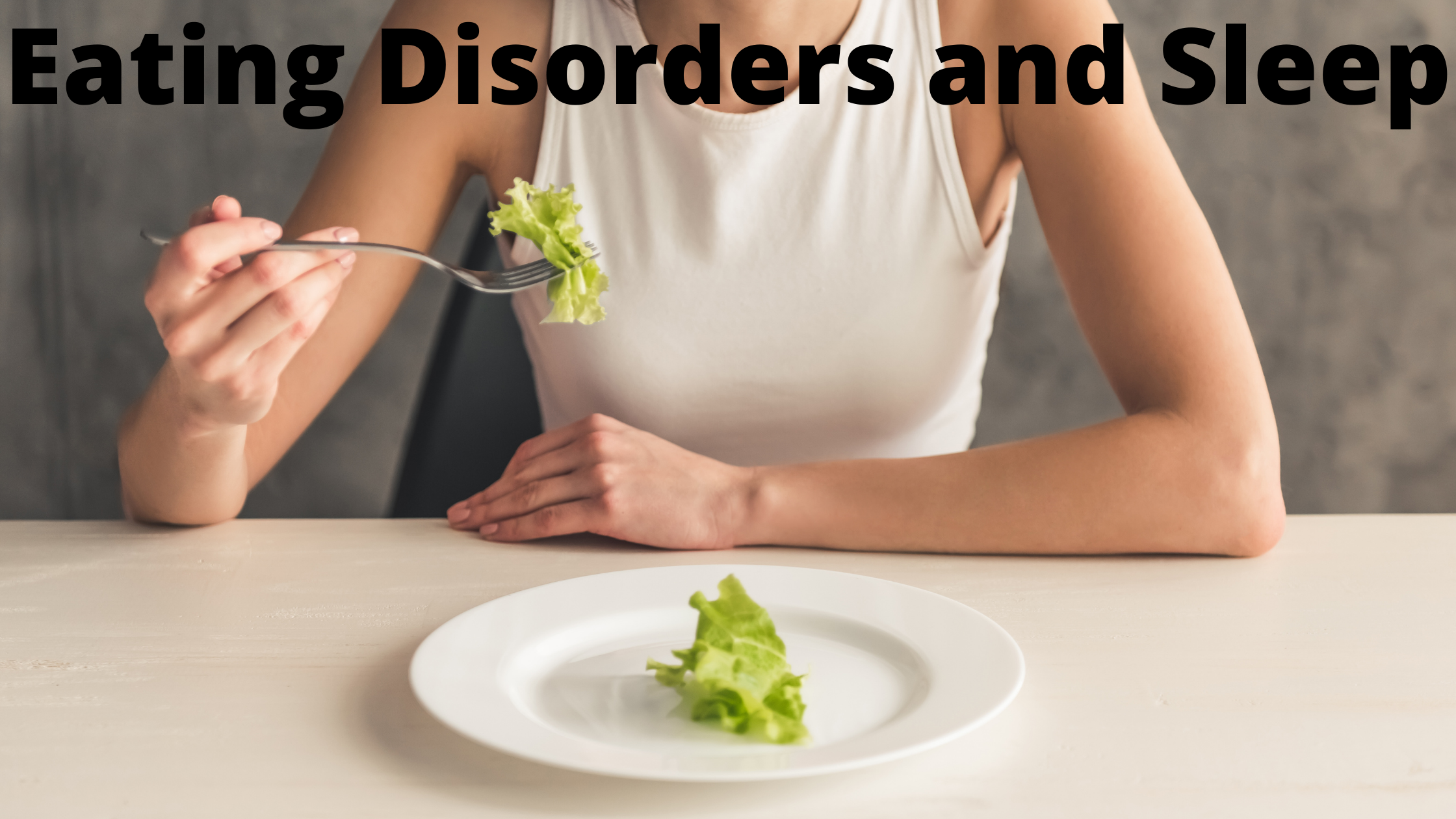
Eating disorders are a common psychiatric disorder that affects 30 million people in the United States. They are most commonly associated with a mental health issue as there is a significant tie between emotional and physical health. There is also a growing amount of information showing the link between sleep and eating disorders. This relationship is not linear, meaning that everyone with an eating disorder does not have sleep troubles and vice versa. However, there is a strong correlation between the two, which leads researchers to believe that they are somewhat connected. Continue reading to find out more about this relationship and how to get help for both.
For women, there is that time once a month when you experience your menstrual cycle. However, the menstrual cycle is not isolated to just those 3-7 days. There are often extra-cycle symptoms that affect women a majority of the days in a month. If there are numerous symptoms or the severity of them is great, then you may be diagnosed with PMS or PMDD. A common symptom that women with PMS or PMDD experience is insomnia. Continue reading to find out how your menstrual cycle may be negatively impacting your sleep.
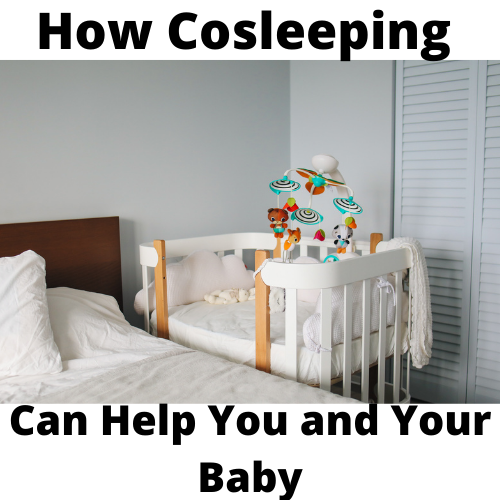
Cosleeping is a term for sleeping with your baby or child in the same bed. Although there are different theories on the safety and wellbeing effects of cosleeping, this practice may help you and your child in the long run. It's important to note that small infants who are at risk for Sudden Infant Death Syndrome (SIDS) should not be in the same bed, but should be in a separate space with a firm mattress and a fitted sheet to avoid suffocation. However, as children grow older and their safety risks decline, extended cosleeping may still be an option for your family. Read more to decide if this is the right move for your family.