The phrase "get your beauty rest" is truly not an exaggeration considering how much sleep affects your skin. It is normally quite obvious from looking at someone if they slept the night before, or not. These changes can have long-lasting impacts on the worn appearance of the skin. If you want to have youthful and supple-looking skin, you don't have to scour the internet for expensive creams and treatments. The solution may be as basic as sleeping. Keep reading to find out how sleep can impact your skin and other measures you can take as part of your nighttime routine to have great-looking skin.
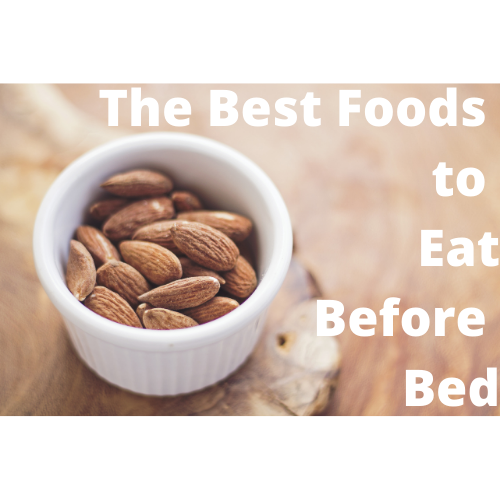
Late-night snacks and dinner are an inevitable part of life. But what if these foods may be part of the reason you are struggling to go to sleep? There are myths about what time you should eat dinner for weight loss, and it's pretty well understood that you should avoid eating too late so as not to be interrupted by food digestion. But what about specific foods that can interrupt your ability to get a good night's sleep? Below is a list of foods to avoid that may help guide your late-night cravings so you can go right to sleep without any issues.
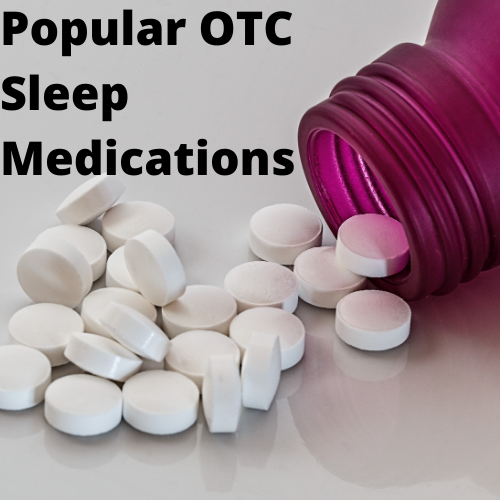
Popular OTC Sleep Medications - Uses and Warnings
Sometimes going to sleep is really hard, especially for those who may suffer from anxiety or insomnia. Sleep is really important for the body as a time of recovery, so if you're having trouble sleeping, you may turn to some popular nighttime medications to help. OTC, or over-the-counter, are medications that you can buy without a prescription. They are available at your local pharmacy and include their uses and dosing on their labels. Here is a review of the classes of OTC sleep aids and some popular medications within them.
Did you know there is a strong relationship between exercise and sleep? Both are necessary for optimal health, and they both have effects on the other. When you understand this interplay, then it will be easier for you to create a schedule that works for you and includes both of these valuable practices.
Not being able to sleep is frustrating. You may have already tried the common suggestions like having a sleep routine, avoiding too much caffeine and alcohol before bed, etc. Fortunately, there are creative ways to help you get to sleep. Here are six strange but well-researched, proven ways to sleep better that may help you.
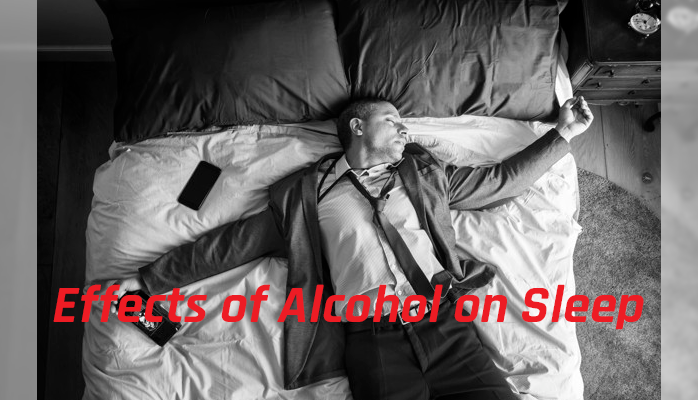
Effects of Alcohol on Sleep - No, That Nightcap Doesn't Help You Sleep Better
Sleep Trouble – Could it Be Your Nightcap?
Do you frequently wake up feeling particularly tired? Does it take your brain quite a while to dispel the fogginess of sleep? Feel like you are easily forgetting things? It might be that nightcap before bed.
The fact is: alcohol disrupts important sleep activities, like getting a full night's rest, uninterrupted sleep, and restorative sleep. This is because alcohol blocks REM sleep, and can interrupt your circadian rhythm by breaking your sleep throughout the night. Continue reading to learn about the effects of alcohol on sleep.
Alcohol Blocks REM Sleep
REM (Rapid Eye Movement) sleep is the deepest phase of your sleep. It is the mentally restorative phase of sleep, keeping your brain primed for [National Institute of Health]:
- Memory retention
- Learning
Alcohol suppresses REM sleep, especially in the second half of the night. This means less restoration/stimulation on the parts of your brain needed for learning and memory retention. What this usually ends up looking like is general, decreased performance during the day at work or in school.
Are You of the One in Three Who Don’t Sleep Enough
More than a third of adults in the United States don’t get enough sleep on a regular basis [Centers for Disease Control]. Are you in the 33%?
It’s not a surprising statistic. As things like electronics make their way into normal everyday life (and our bedroom) and most of us sit all day long at work, there are more sleep disruptions now than at any other point in history.
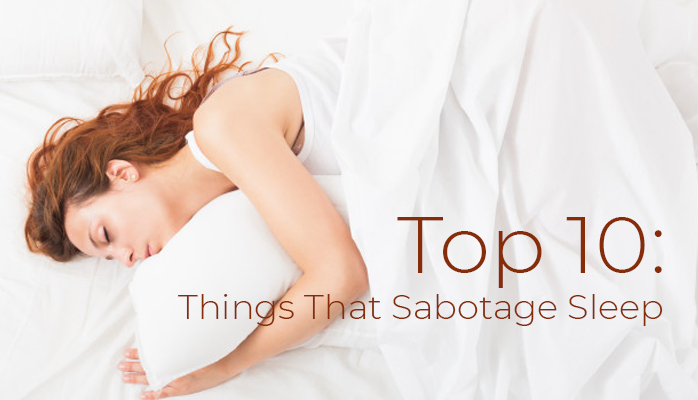
In nearly every facet of your life there is a sleep disruptor lurking in the shadows. It could be your home, your body, your brain, your possessions, or your work – the point is that they are everywhere and you need to know what to look for.
Here are our top ten most common things that sabotage sleep.
Sleep Quality vs Quantity
What is your sleep GPA? No that is not a typo. Your sleep grade point average. This measurement matters to us for most things, but for some reason when it comes to sleep, we generally only report on how many hours we got the night before. Sleep is much more complex and nuanced than this, and it's important to take a closer look.
Sleep is essential to the body. During sleep, the body has a chance to repair, prune and strengthen neural connections, reduce inflammation, and a whole host of other important bodily functions. Without it, people wouldn’t be able to function. It occupies approximately 1/3 of a human’s life, so even just as a percentage, sleep is extremely important.
When asked how they slept, people often respond with a statement about how many hours of sleep they got. Like many things in life, quantity doesn’t capture the whole picture. Sleep is no different. Keeping tabs on how many hours of sleep per night is a great place to start when taking inventory, but it doesn’t capture some of the most important aspects of sleep.
Ways Sleep Deprivation Causes Lower Quality of Life
Living with chronic sleep deprivation will make it harder to live a quality life. When someone is exhausted, it is very difficult to function well. Many conditions cause chronic sleep deprivation, such as:
- Sleep apnea
- Insomnia
- Parasomnias
- Restless leg syndrome
- Circadian rhythm disorders
Chronic sleep deprivation is defined by most studies as getting six or less hours of sleep on a regular basis. Let’s look at the critical ways chronic sleep deprivation impacts the quality of your life and, in turn, how getting good sleep can positively impact your life.