Xerostomia is a condition in which the mouth is perpetually dry. About 22% of people experience this uncomfortable sensation that can drastically impact a person's life. Dry mouth at night can be extremely disruptive to sleep and cause individual to wake up and grab a glass of water or find some other way to lubricate their mouths. Continue reading to learn more about the causes, and how to prevent dry mouth at night to get better sleep.
Have you ever been lying there, or lying next to someone, and there was a sudden jerk or twitch? And they seem to happen all through the night without anyone waking up or experiencing some sort of crazy dream?
These are called hypnic jerks, or sleep starts. They are involuntary muscle contractions that you may experience during the night, sort of like a muscle twitch. Hypnic jerks are referred to as a type of myoclonus, and is the equivalent of a hiccup, or rapid, involuntary muscle movements. Hypnic is short for hypnagogic, which means the transition from wakefulness to sleep which is when these twitches occur.
What is Polyphasic Sleep, and is it Right for You?
Modern sleep culture encourages going to sleep, and sleeping throughout the night. This is known as monophasic sleep because there is one time to sleep.
Some cultures practice biphasic sleep. This consists of sleeping throughout the night with a daily nap in the afternoon. In those countries, there are two times to sleep.
Polyphasic sleep schedules involve more than two sleeping periods each day. Quick nap breaks could count, with reduced sleeping throughout the night. Babies are examples of populations who follow a polyphasic sleep schedule. They follow this pattern until they are about three months old, and then they learn to sleep throughout the night with about two naps throughout the day. Others who work unusual hours or jobs that require attention at all times but also follow this sleep pattern.
There are some benefits and harms of polyphasic sleeping. Some prefer it, while others do not. Is it right for you? Continue reading to find out.
We often emphasize the need for good sleep. But sometimes, it can be hard to know what defines "good sleep". You may ask yourself, how do you know if you're sleeping well, or if you need some improvement?
That's why understanding how to measure sleep is useful, because you'll have a parameter against which to judge how good or bad your sleep is. Once you know how to measure your sleep, you can then determine if you are getting adequate sleep, or if you need to talk to a sleep specialist. Here are the best ways to measure sleep.
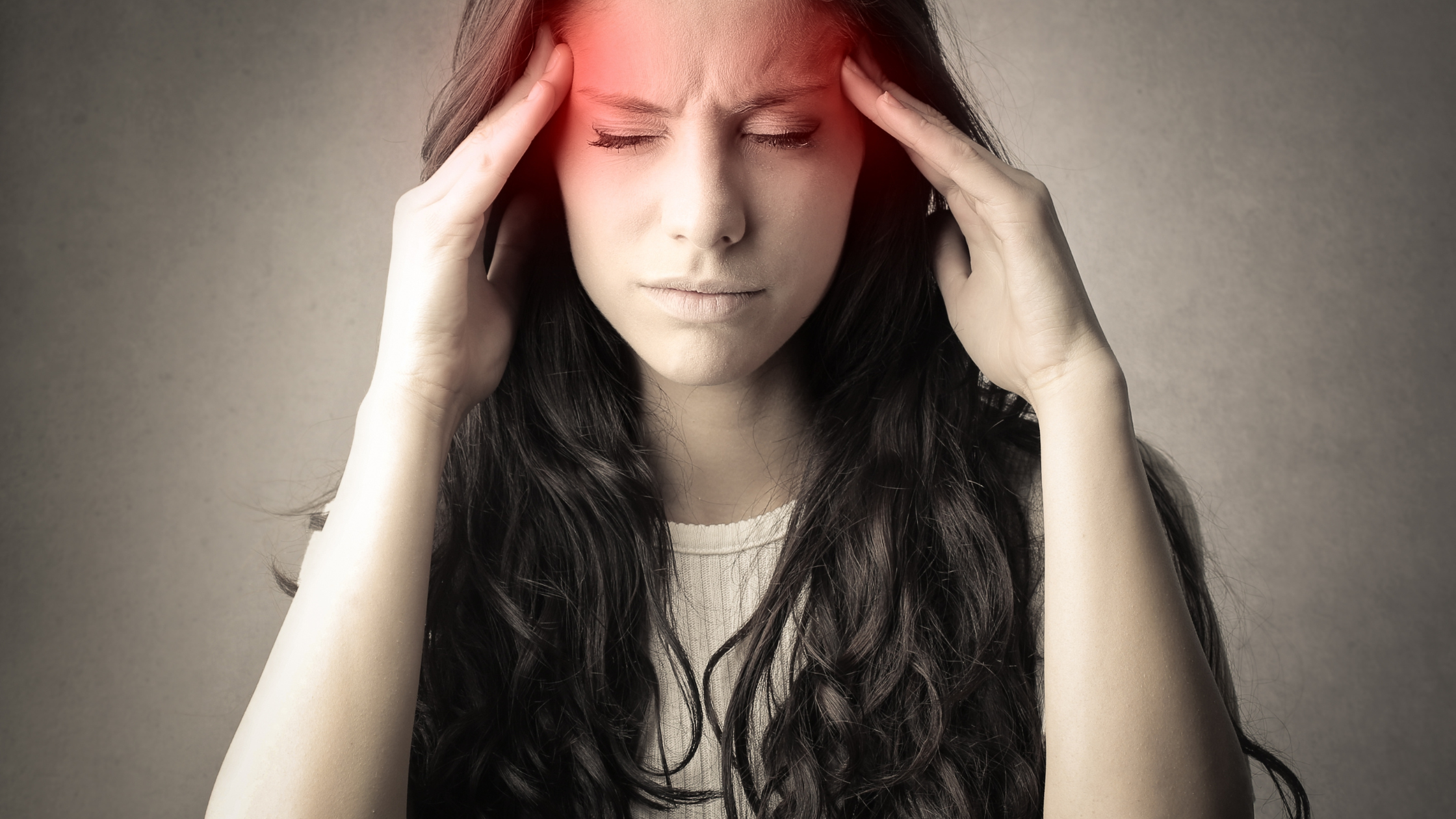
Nothing is worse than waking up in the middle of the night with a headache. This is known as a hypnic headache. They are actually extremely rare, affecting fewer than 1% of people. If you are on of those who experience them, then they can be extremely frustrating.
Continue reading to learn more about hypnic headaches and determine if you need to seek additional help.
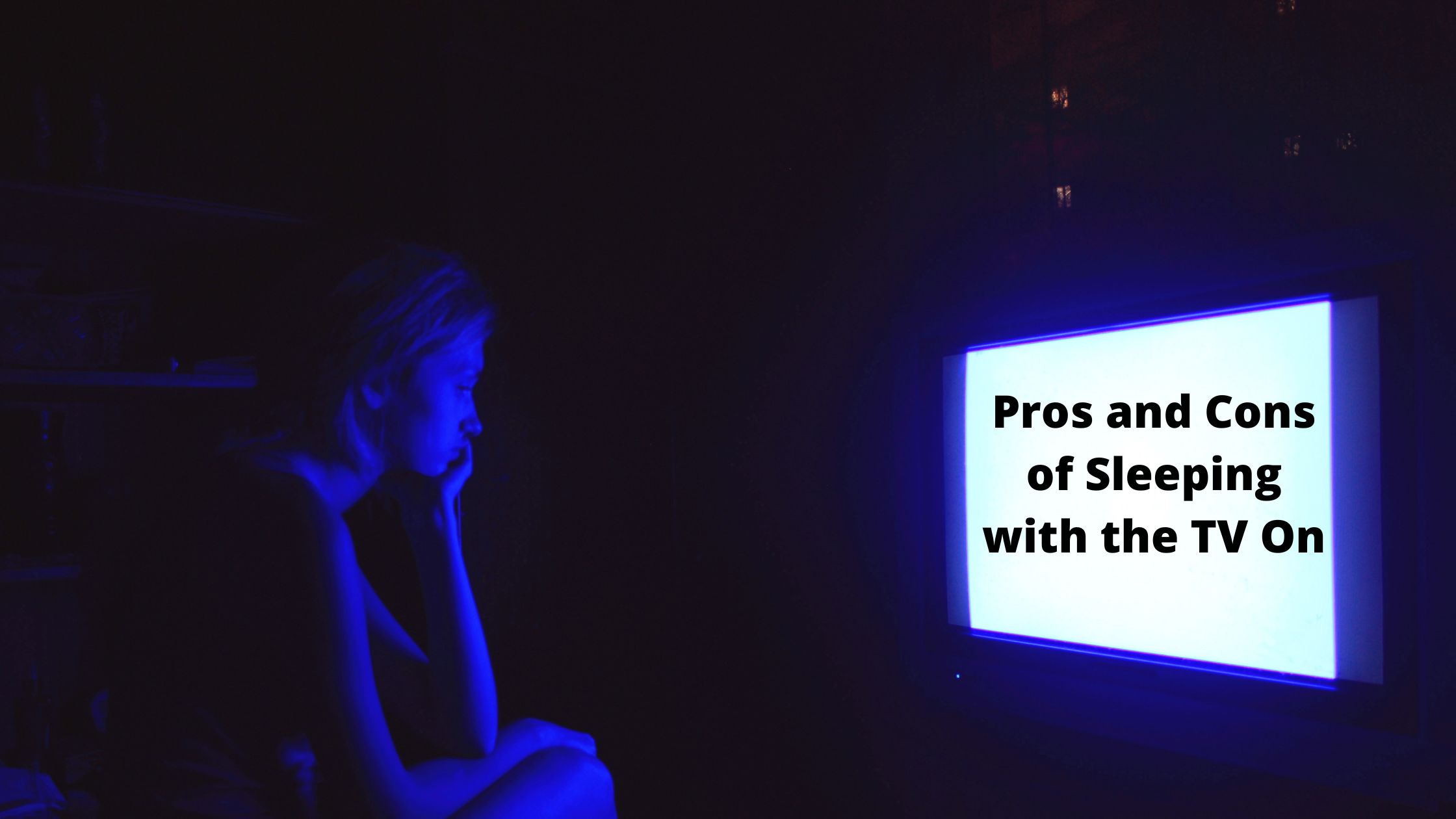
Nodding off in front of your TV may not seem like that big of a deal. You may even like the background noise of the television, or have slept with the TV on your entire life. However, despite these "benefits" you may actually be damaging your sleep. Or not. We are going to go over the pros and cons of sleeping with your TV to help you potentially improve your sleep if you've been struggling with it!
Curious about if you have sleep apnea or not? Sleep apnea is a common sleep disorder that affects many sleepers. It can be a serious sleep disorder with adverse consequences that can have a severe impact on your life. Therefore, it is important to be able to recognize the signs and symptoms so you can get the help you need promptly.
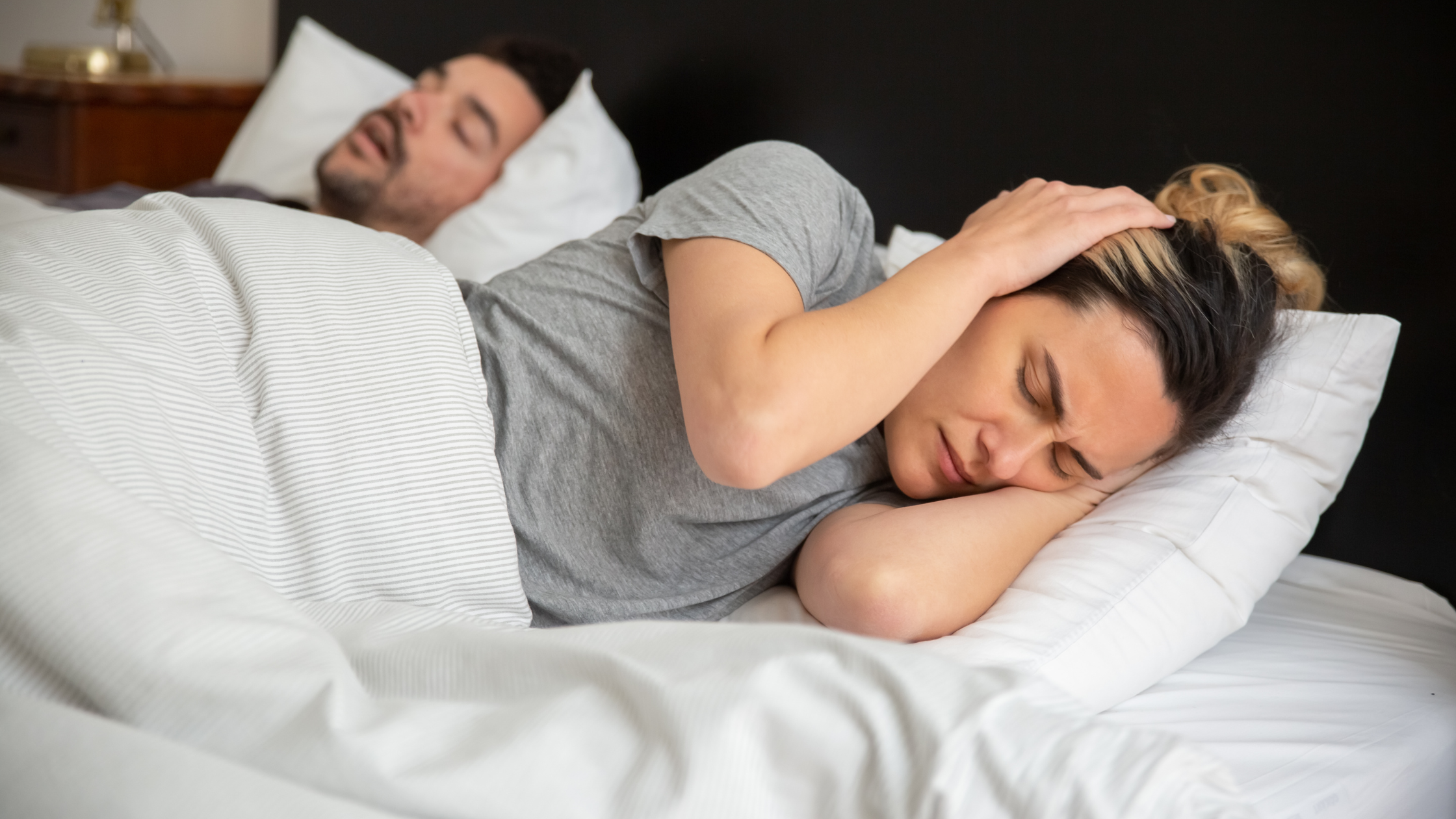
There are certain symptoms that are common to sleep apnea. These include snoring and excessive daytime fatigue without knowing why. Most individuals with sleep apnea don't know they have it unless someone else can attest to their snoring. But, if you don't have that person, or if they don't think you're snoring is anything out of the ordinary, then you may want to look out for these other signs!
Migraines affect about 15% of the adult population and is the leading cause of living disability in those below 50 years old. Although they seem like "just another headache" migraines are much more severe and persistent than the average headache. They also come with some distinct characteristics and require specific treatments for relief.
Migraines can be debilitating and cause lost work wages as well as decreased quality of life. There are many things that contribute to migraines such as genetics, stress, hormones, etc. But one common link to migraines is sleep, or lack thereof. Continue reading to find out how restricted sleep can worsen migraine symptoms.
We focus a lot on what you do at night and how to have a stellar nighttime routine for sleep. However, your morning routine can also impact your sleep. Getting enough sleep is vital for optimal functioning, and physical/emotional wellbeing. There are many adults, however, that don't receive their recommended number of hours of sleep on a regular basis.
The recommended number of hours is 7-8 hours. If someone deviates from this every once in a while, then they can balance it out the following night(s). However, when this is a common pattern, then it leads to chronic sleep deprivation which can lead to regular suboptimal performance.
What you do at night, however, is not the main thing that impacts your sleep. What you do in the morning can also impact your sleep. Here are five morning habits that are actually ruining your sleep.
Whenever you get behind the wheel of a car and are sleepy, that is known as drowsy driving. It's one of the most dangerous things that you can do, second to drunk driving or driving under the influence. In fact, after a certain number of hours of no sleep, your brain is very similar to one that is drunk.
Drowsy driving can significantly increase the risk of accidents which leads to a high number of injuries and deaths every year. There are so many sleeping problems across the United States, that increased awareness of drowsy driving can significantly positively impact public health. Continue reading to find out more about drowsy driving so you can avoid practicing it and contributing to the large number of drivers on the road who are driving at suboptimal consciousness.